
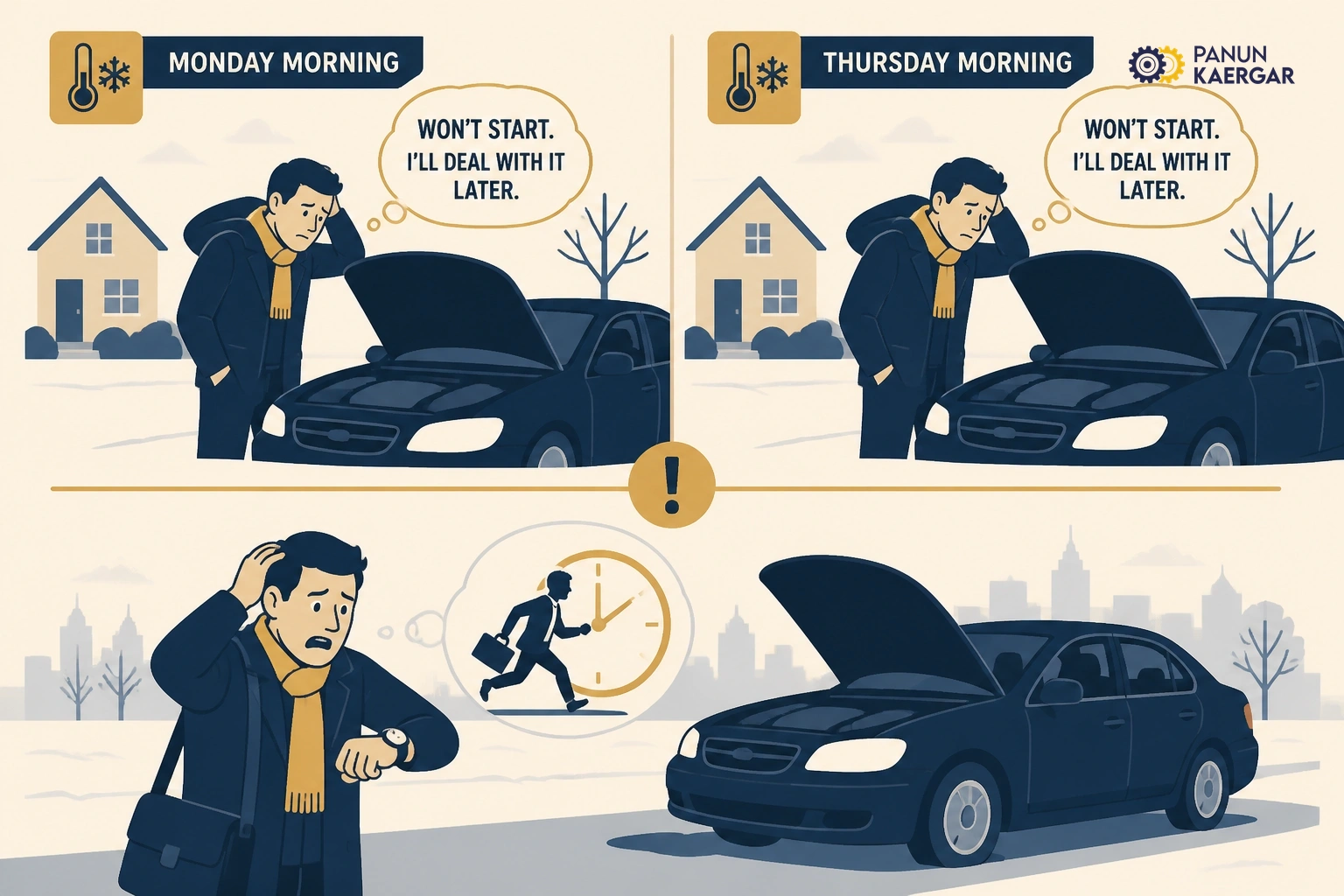
A driveway at 7 am: clicks, dim cabin light, no start. The car was fine yesterday; cold mornings expose a weak battery fast.
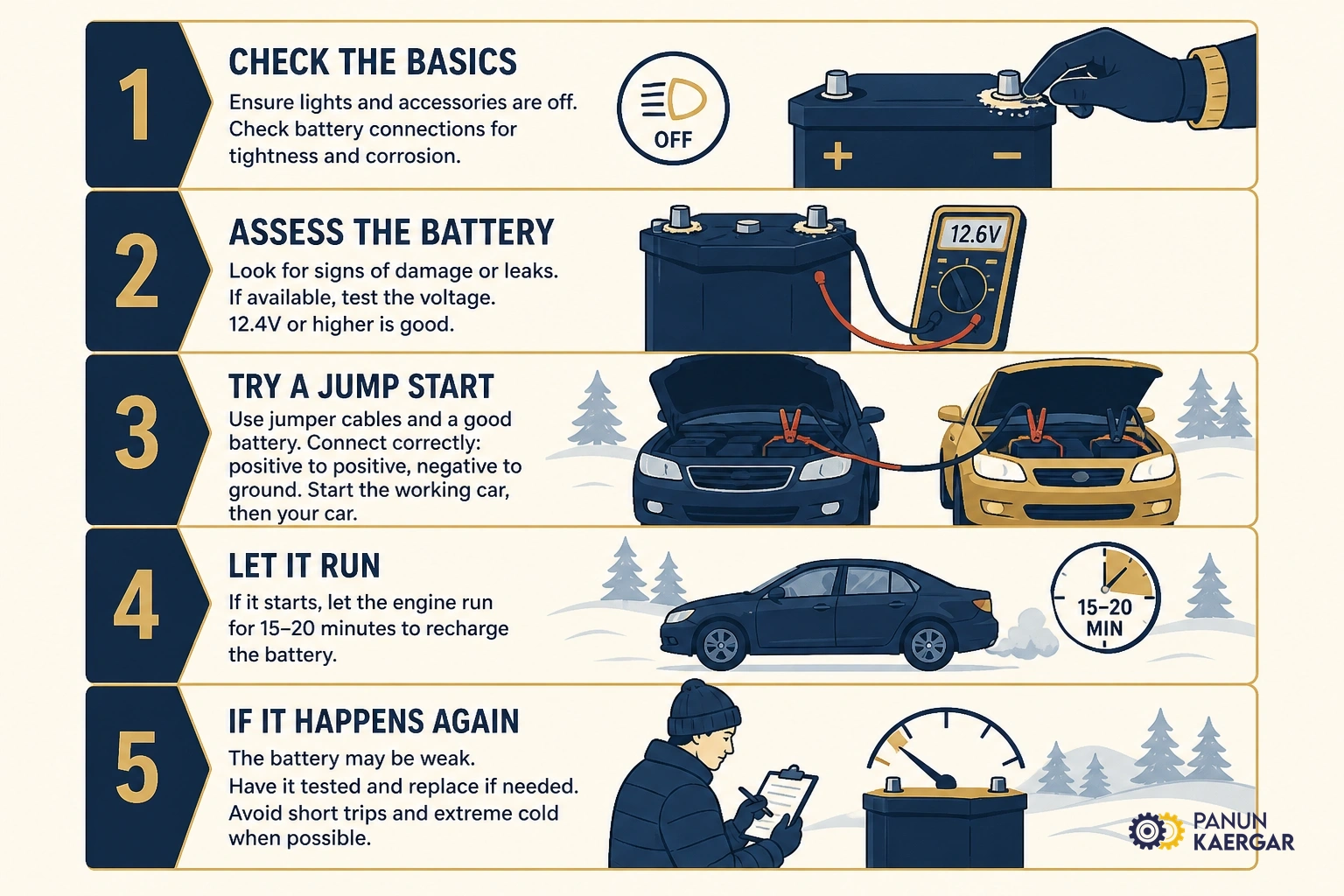
Check terminals for corrosion, try lights and horn, jump-start only with correct procedure if needed, and test the battery and charging system. Repeated slow starts mean replacement, not endless jumps.
Quick diagnosis map
Start with the symptom, not the most dramatic fix. A small check now can save a cabinet, appliance, or Sunday afternoon.
| What you notice | Likely reason | First move |
|---|---|---|
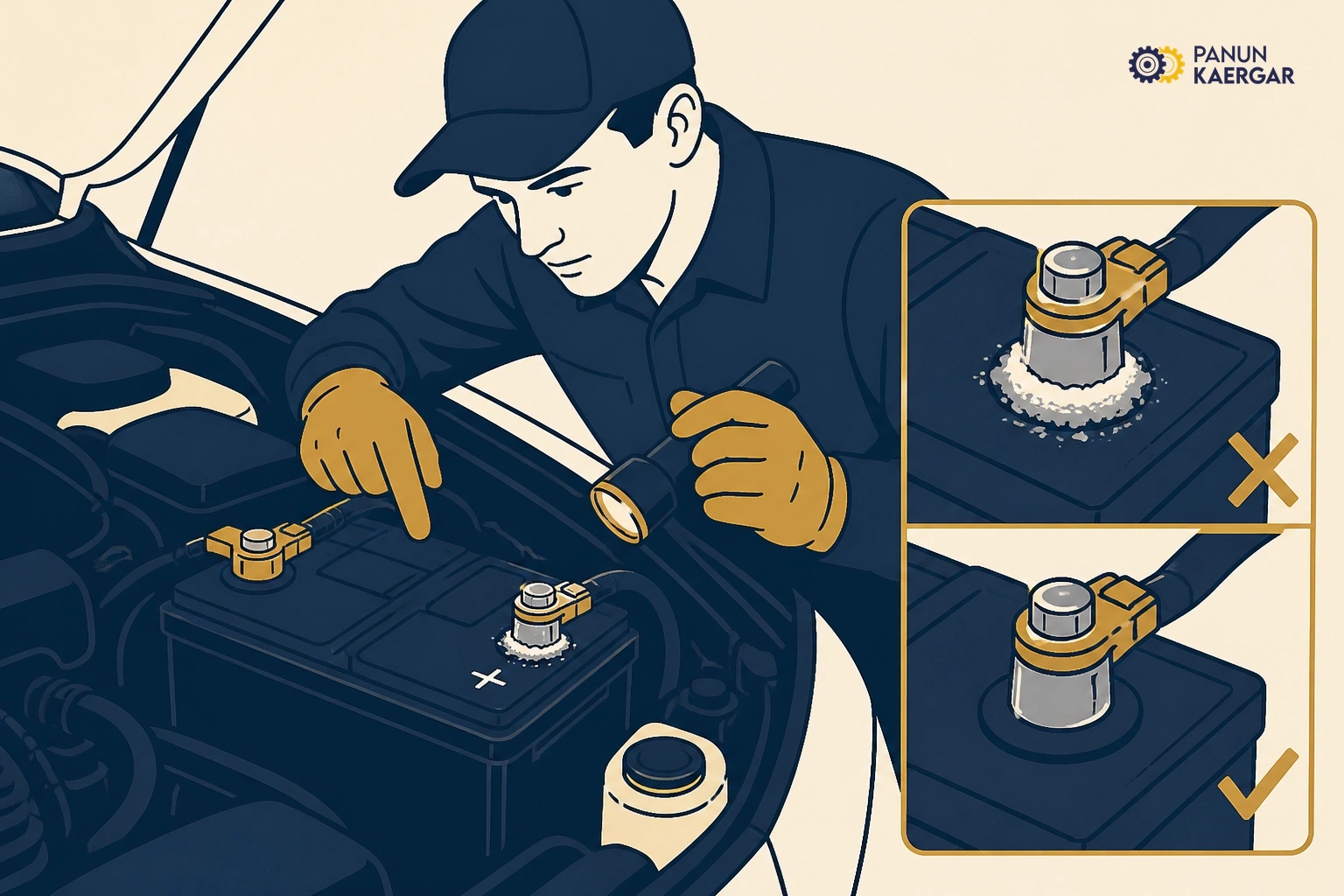
| Clicking starter, dim lights, or no crank on cold morning | Weak or old battery, loose terminal, or charging fault | Look for white corrosion and wiggle-test clamp tightness safely. |
| Problem worsens after use | An underlying fault or hidden damage | Stop adding load; inspect safely. |
| Heat, burning smell, leak, or sudden pain | Safety issue, not a DIY puzzle | Switch off / isolate / get help. |
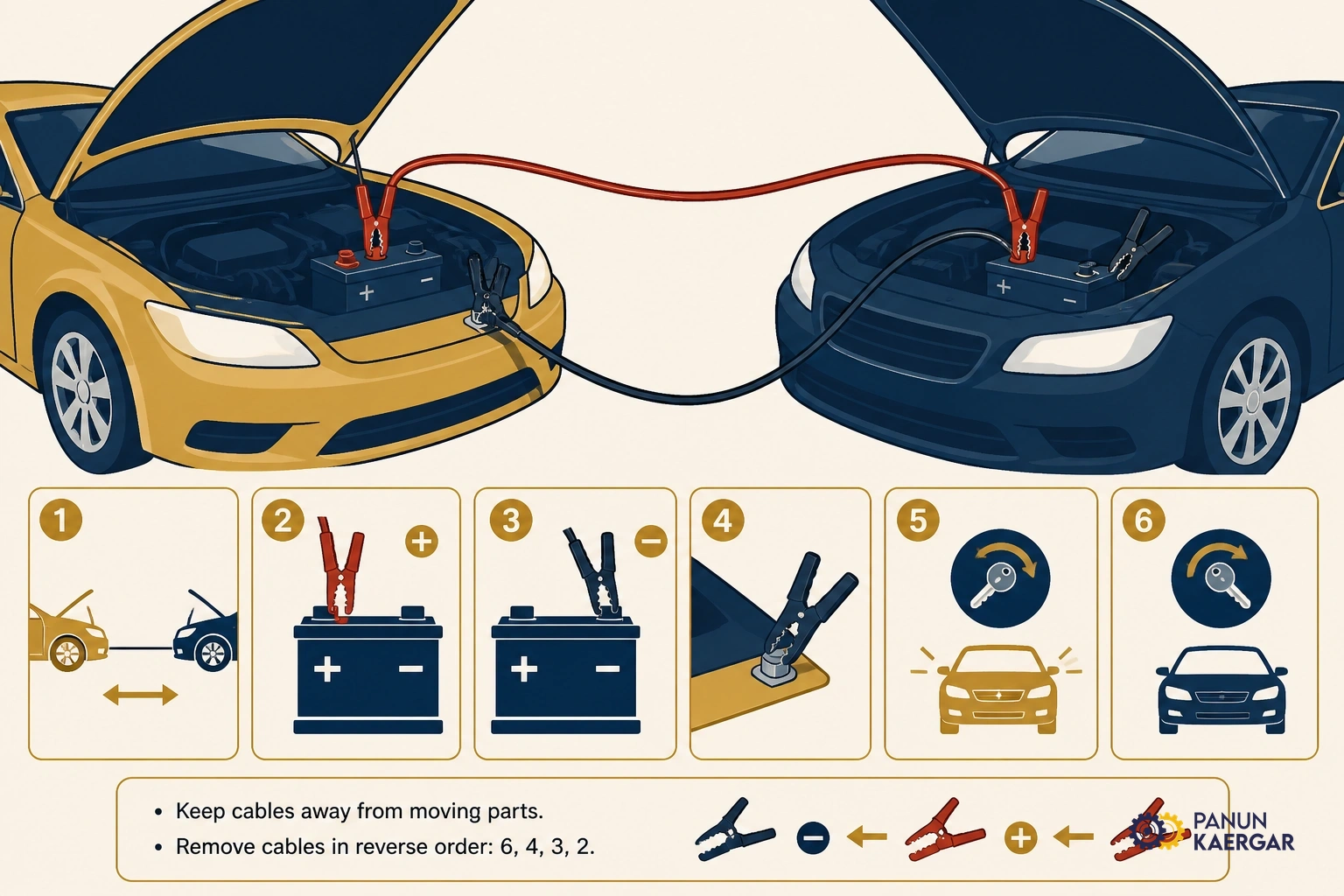
Do not jump with reversed polarity, keep cranking a weak battery hot, or ignore a battery that fails twice in one week.
What usually causes this
The visible symptom is useful, but the small detail around it usually tells the real story.
- Battery age and cold reducing available power.
- Loose or corroded terminals.
- Alternator not fully recharging after short trips.
Try these in order
Begin with the reversible checks. The goal is a clean fix, not winning an argument with a stubborn household thing.
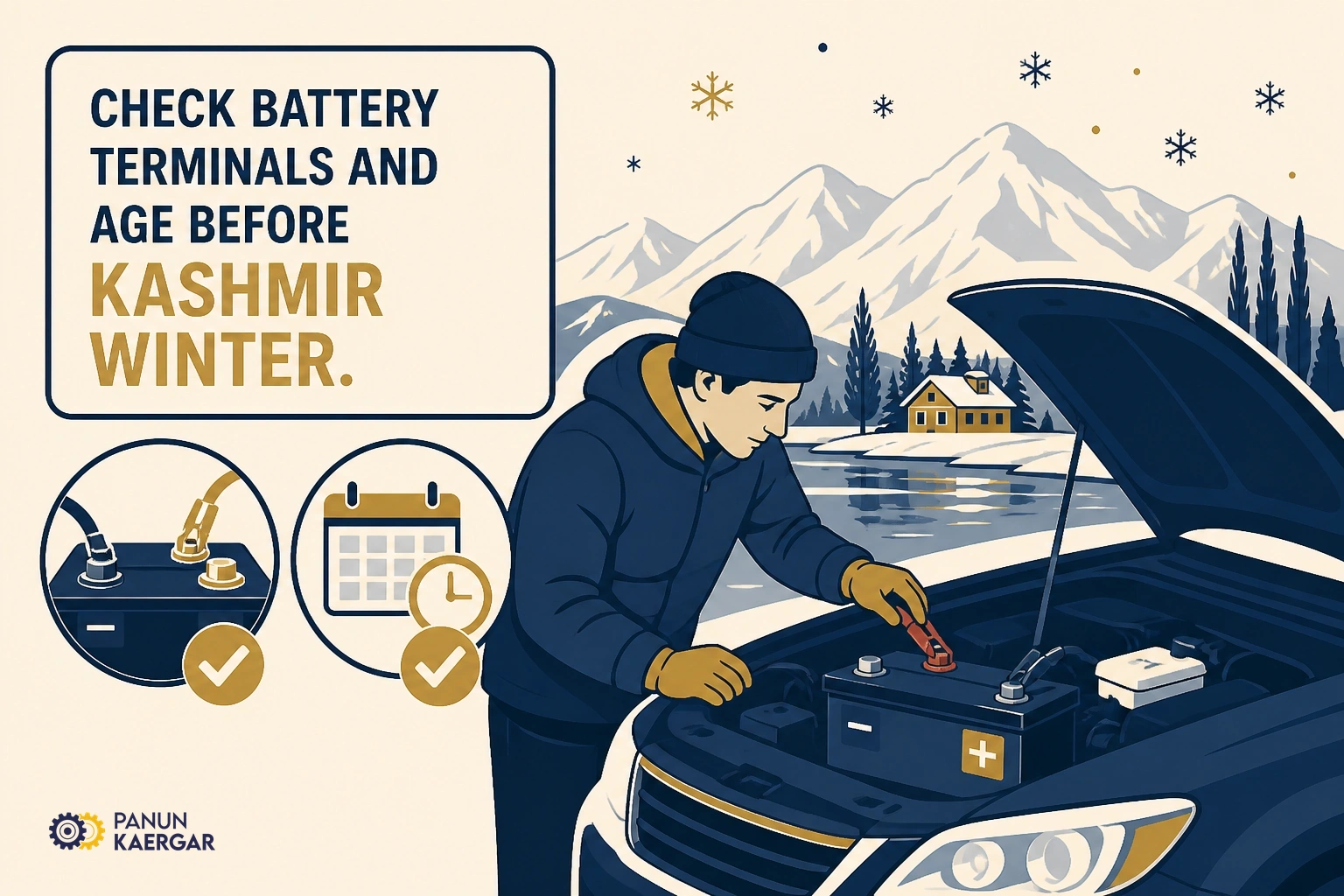
Check terminals
Best for: intermittent start
Look for white corrosion and wiggle-test clamp tightness safely.
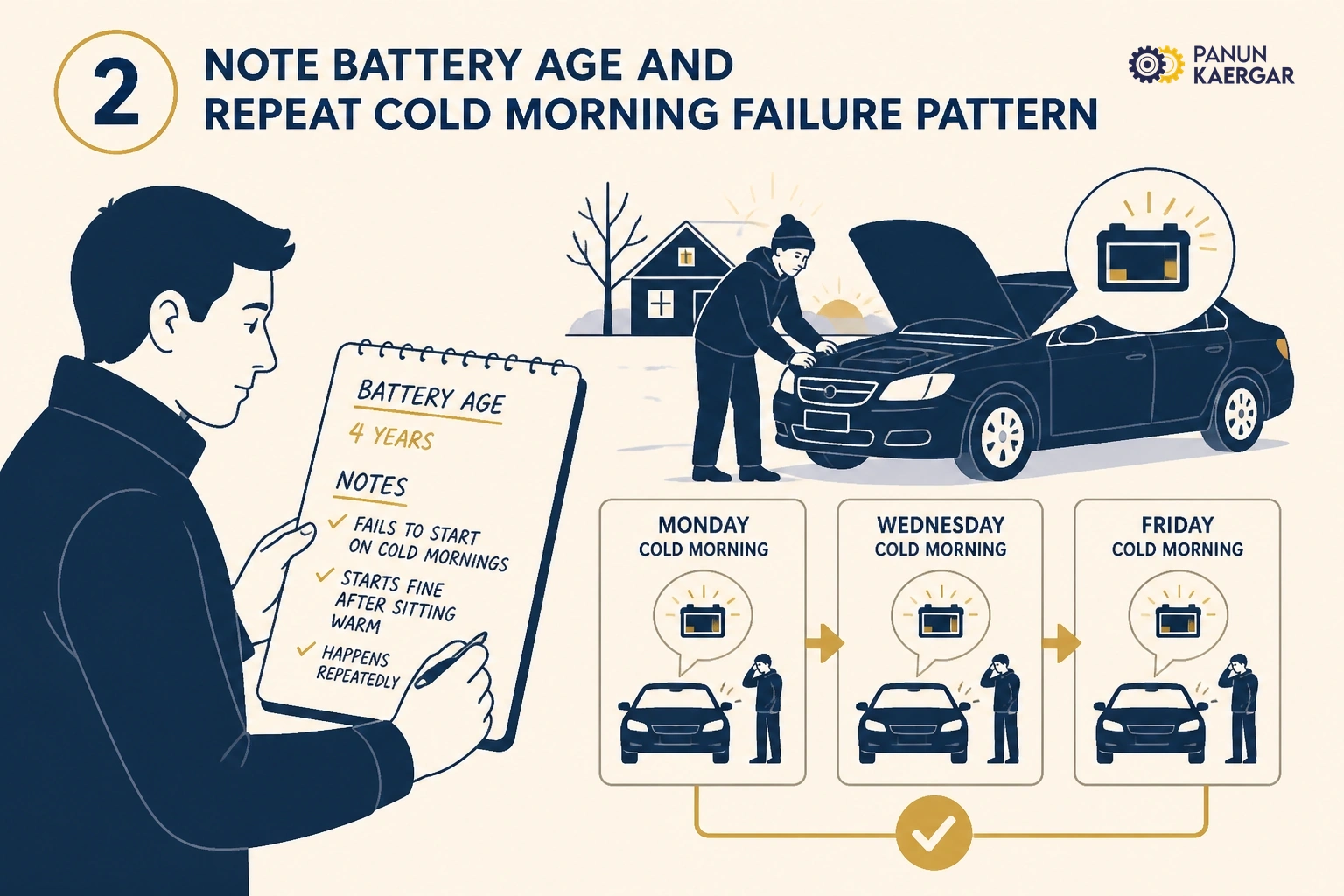
Note age and pattern
Best for: repeat cold failure
Batteries older than about three to five years fail more often in winter.
Try a proper jump-start
Best for: single failure
Follow a safe jump procedure; do not crank endlessly.
Drive long enough to recharge
Best for: after a jump
Short idling may not restore charge; a test is still wise.

Get battery and alternator tested
Best for: second failure
A workshop can load-test instead of guessing.
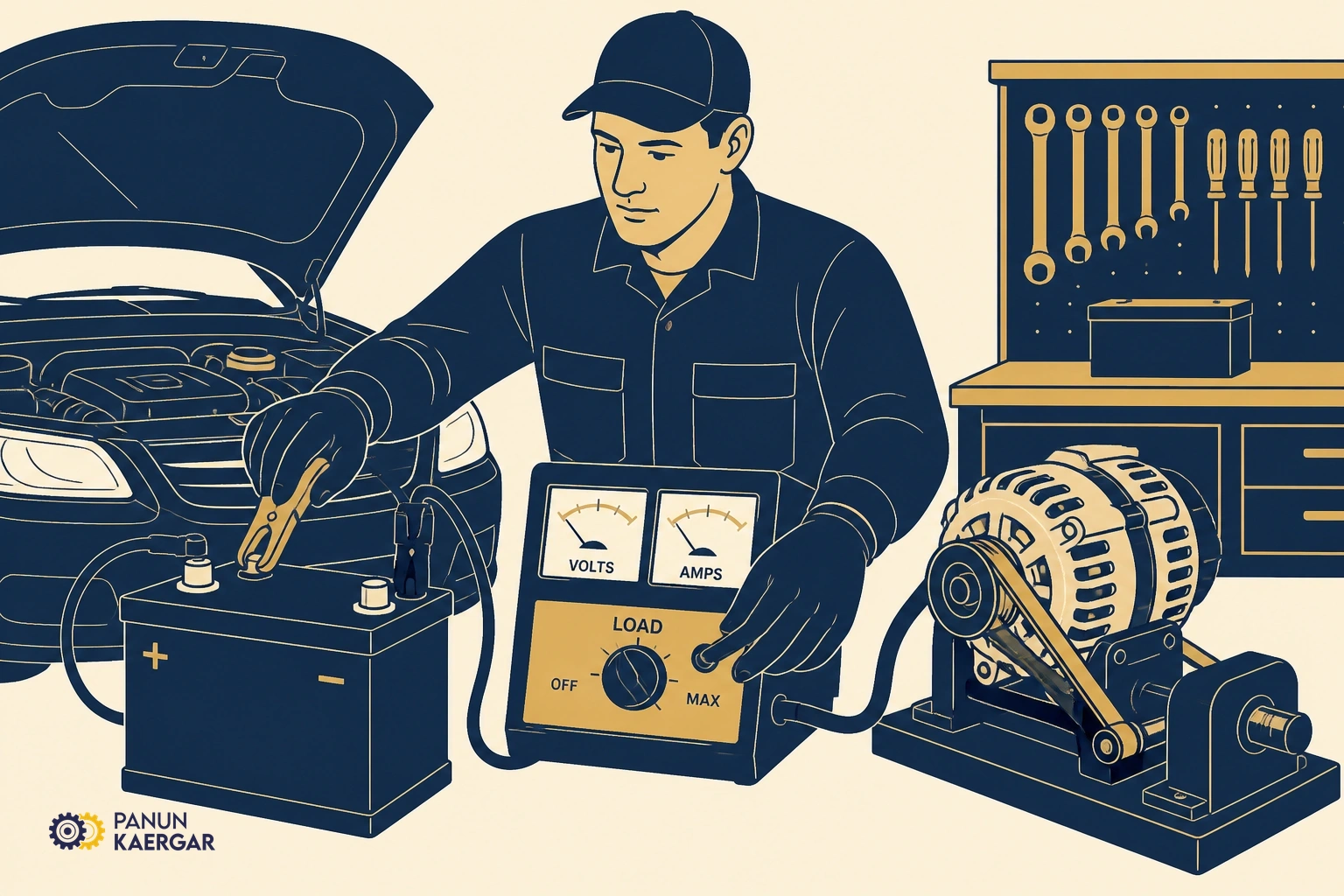
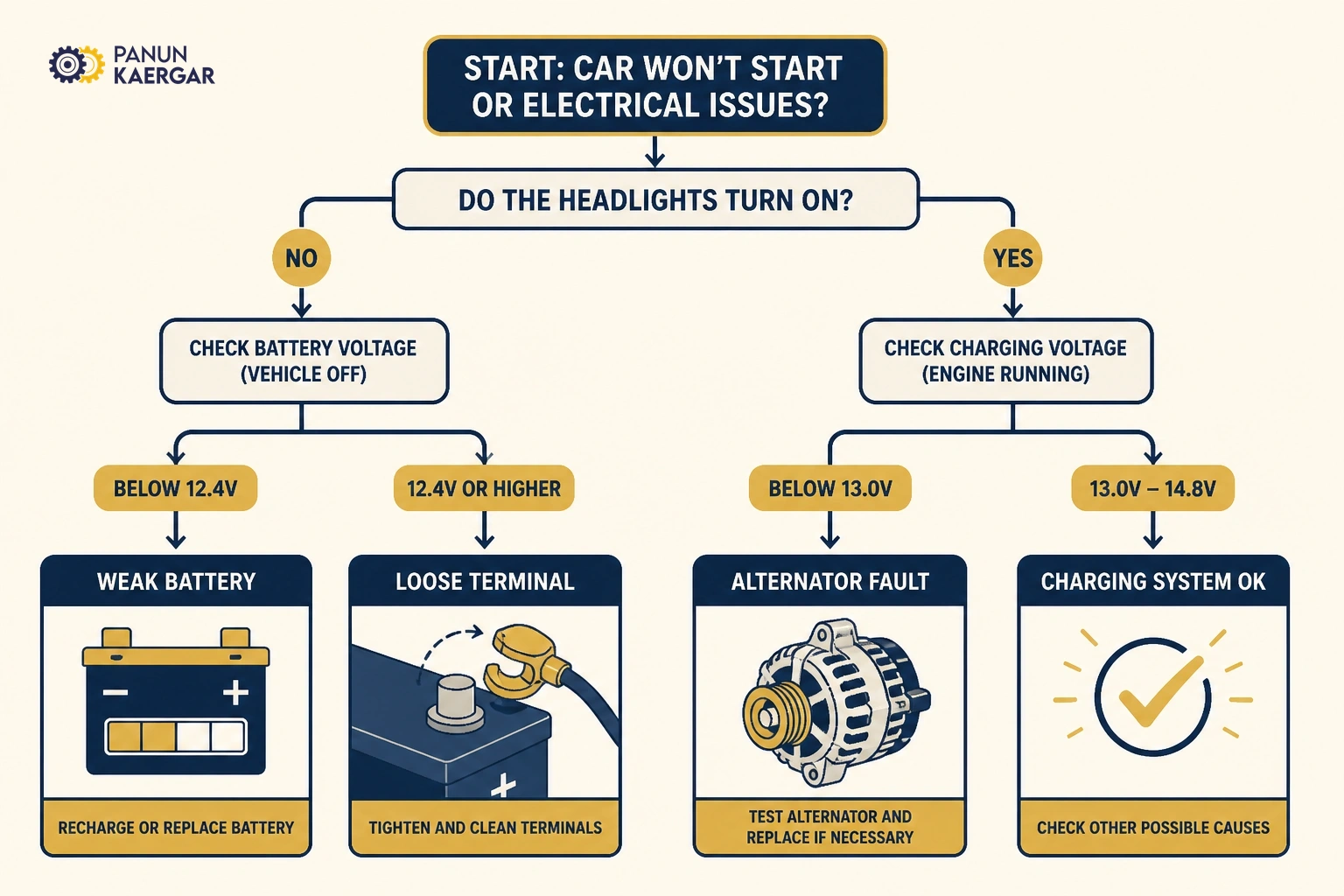
Take one clear photo before taking anything apart. It helps a professional see the pattern and saves guesswork.
Kashmir home note
Cold starts after short city trips are hard on batteries in Kashmir winters. Terminals and age deserve a look before an expensive guess.
What not to do
These shortcuts usually cost more than they save.
Jump with reversed polarity
Can damage electronics
Wrong cable order risks blown fuses and costly ECU damage on modern cars.
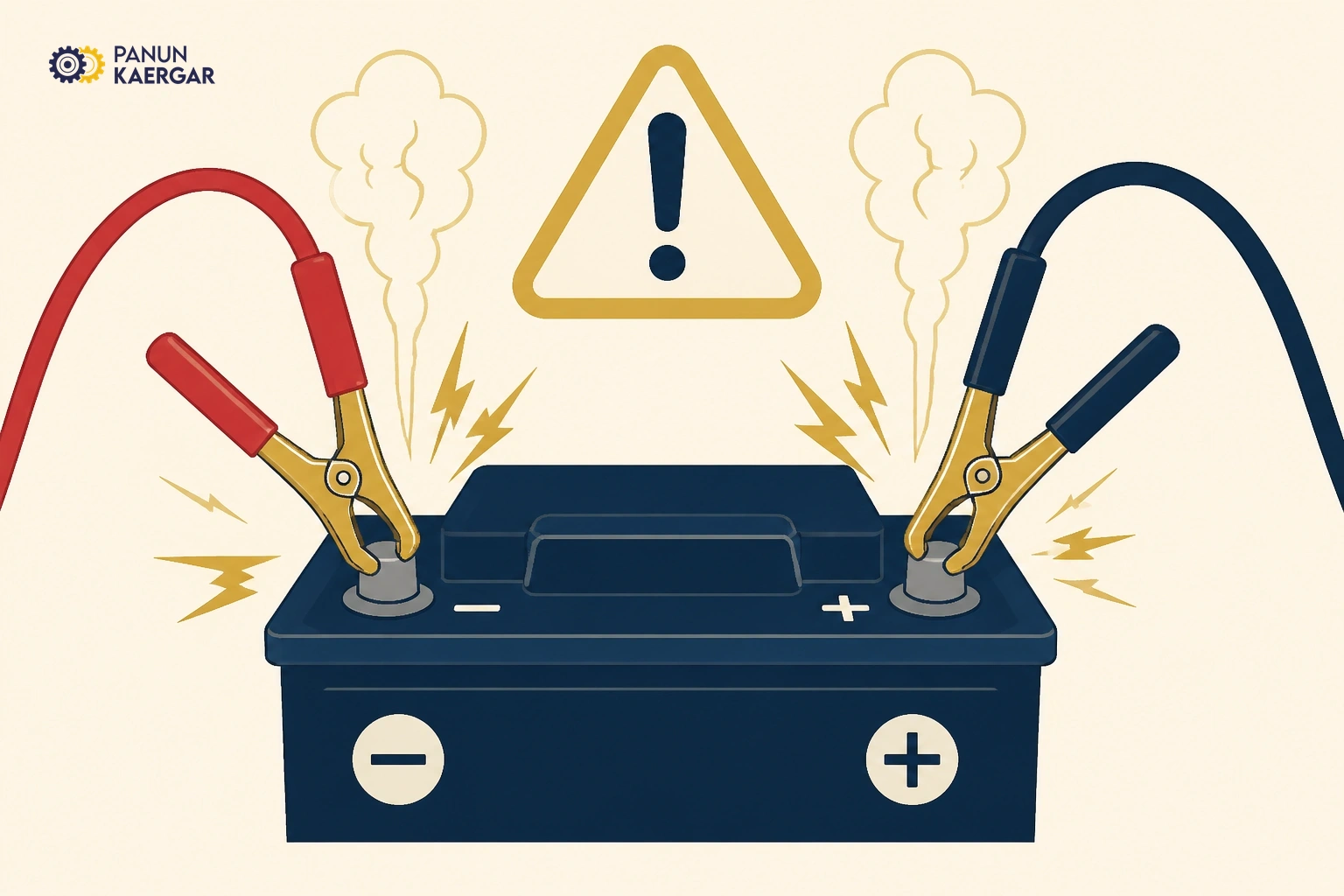
Keep cranking a weak battery
Overheats starter and battery
Endless cranking on a flat battery generates heat without starting the engine.
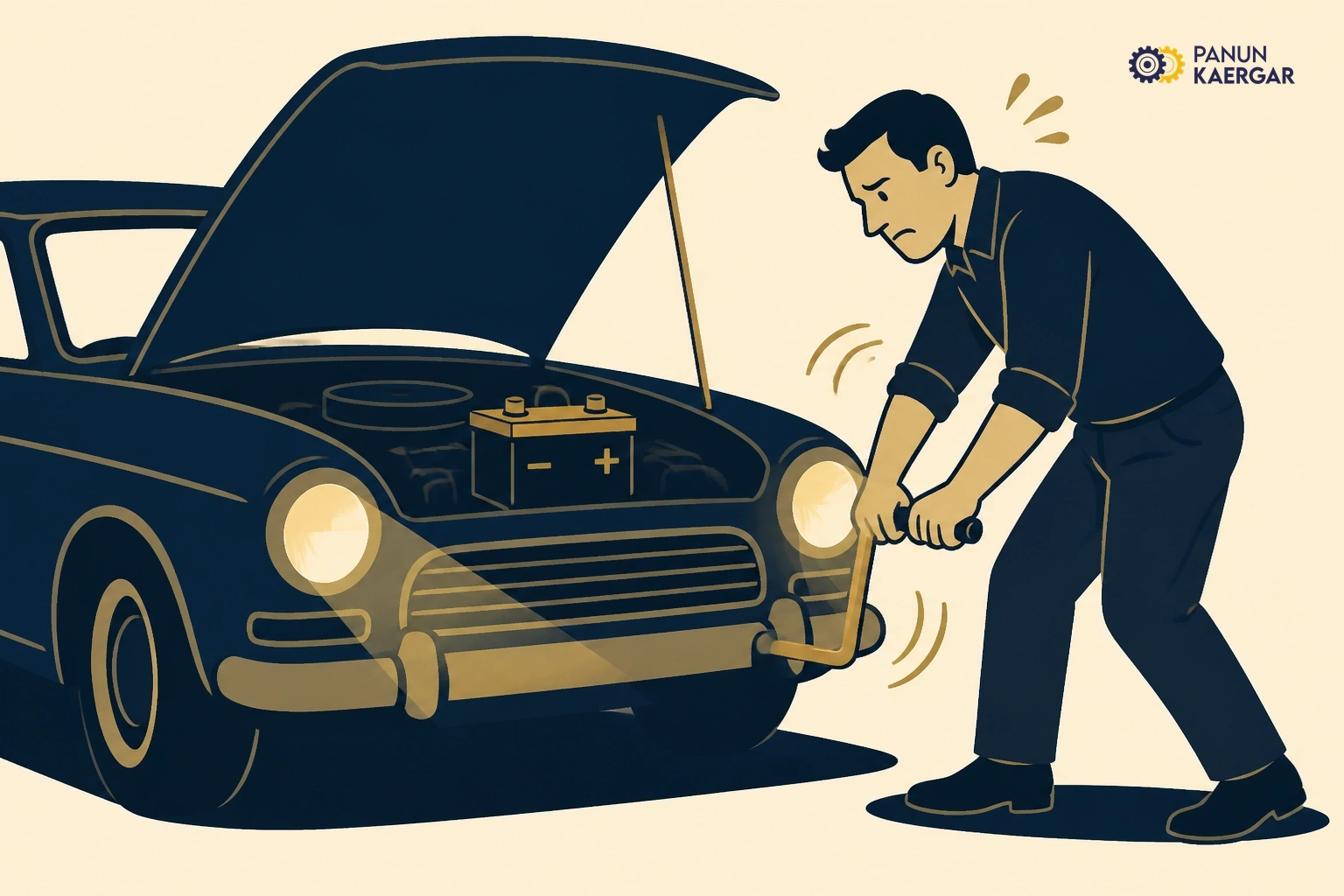
Ignore two failures in one week
Battery or charging fault
Repeat no-start means replace or test — not another jump each morning.
Keep it from returning
Fix the small trigger, keep the area clean and dry where relevant, and deal with repeat symptoms before they become a replacement job.
When to book a professional
Book vehicle care for repeated no-start, dim lights while driving, warning light on dash, or a battery that fails load test.
FAQs
What is the first check for car battery dead on a cold morning?
Look for white corrosion and wiggle-test clamp tightness safely.
Can I keep using it?
Only if there is no safety risk or spreading damage. Stop when the symptom worsens.
Why did this start suddenly?
A change in load, moisture, wear, cleaning product, or season often exposes a weak point.
Will a temporary fix last?
It can buy time, but repeat symptoms need the cause corrected.
When should I book help?
Book vehicle care for repeated no-start, dim lights while driving, warning light on dash, or a battery that fails load test.