
After a wet August week, the vegetable patch is half mint and half mystery green — and someone is already spraying a shed bottle onto the beds next to the coriander.
Identify weeds versus kitchen herbs, pull after rain when the soil is soft so the root comes with you, cut seed heads first if they are already flowering, and mulch or replant empty patches. Deep-rooted clumps, a neglected plot, or monthly upkeep needs a gardener for garden cleanup and weeding.
Quick diagnosis map
Start with the symptom, not the most dramatic fix. A small check now can save a cabinet, appliance, or Sunday afternoon.
| What you notice | Likely reason | First move |
|---|---|---|
| Fast-spreading green between beds, lawn edges, or under fruit trees | Missed weeding after rain, seed heads left standing, or bare soil inviting new growth | Walk the plot in daylight and mark mint, haakh, and coriander before yanking lookalikes — a weed is only a weed once you know it is not dinner. |
| Problem worsens after use | An underlying fault or hidden damage | Stop adding load; inspect safely. |
| Heat, burning smell, leak, or sudden pain | Safety issue, not a DIY puzzle | Switch off / isolate / get help. |
Do not spray random herbicide near food plants, mow weeds and leave seed heads on the lawn, or dump pulled weeds in a damp pile where they can re-root.
What usually causes this
The visible symptom is useful, but the small detail around it usually tells the real story.
- Warm soil and summer rain letting annual weeds germinate in a few days.
- Seed heads left on dandelion, amaranth, or grass weeds after a rushed mow.
- Bare soil between vegetable rows with no mulch or competing plants.
Try these in order
Begin with the reversible checks. The goal is a clean fix, not winning an argument with a stubborn household thing.
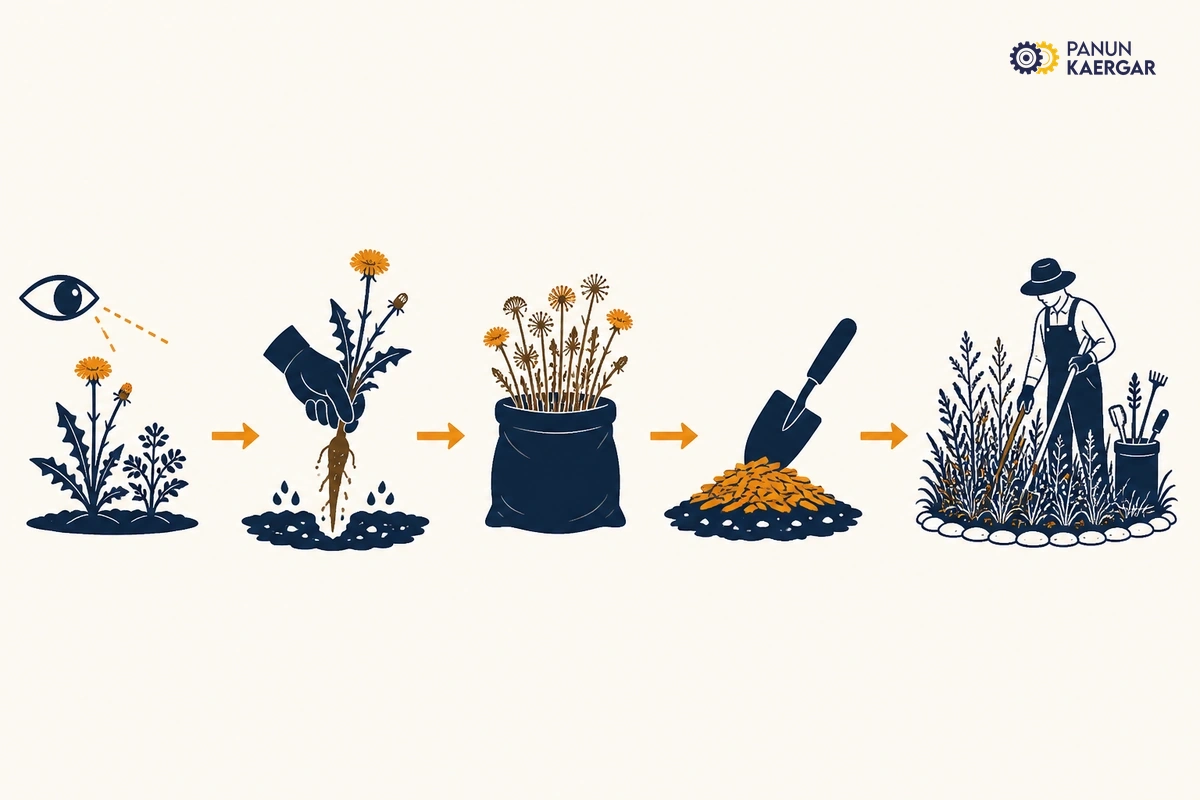
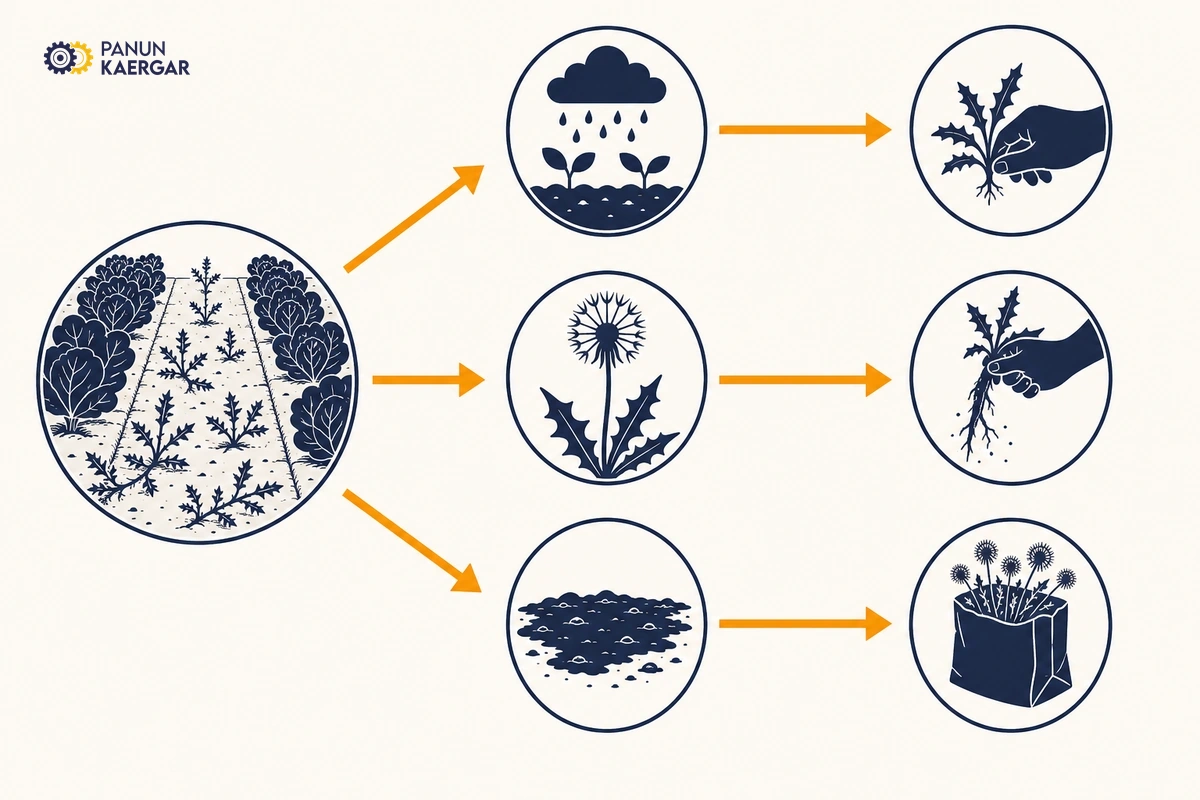
Identify before you pull
Best for: beds mixed with kitchen herbs
Walk the plot in daylight and mark mint, haakh, and coriander before yanking lookalikes — a weed is only a weed once you know it is not dinner.

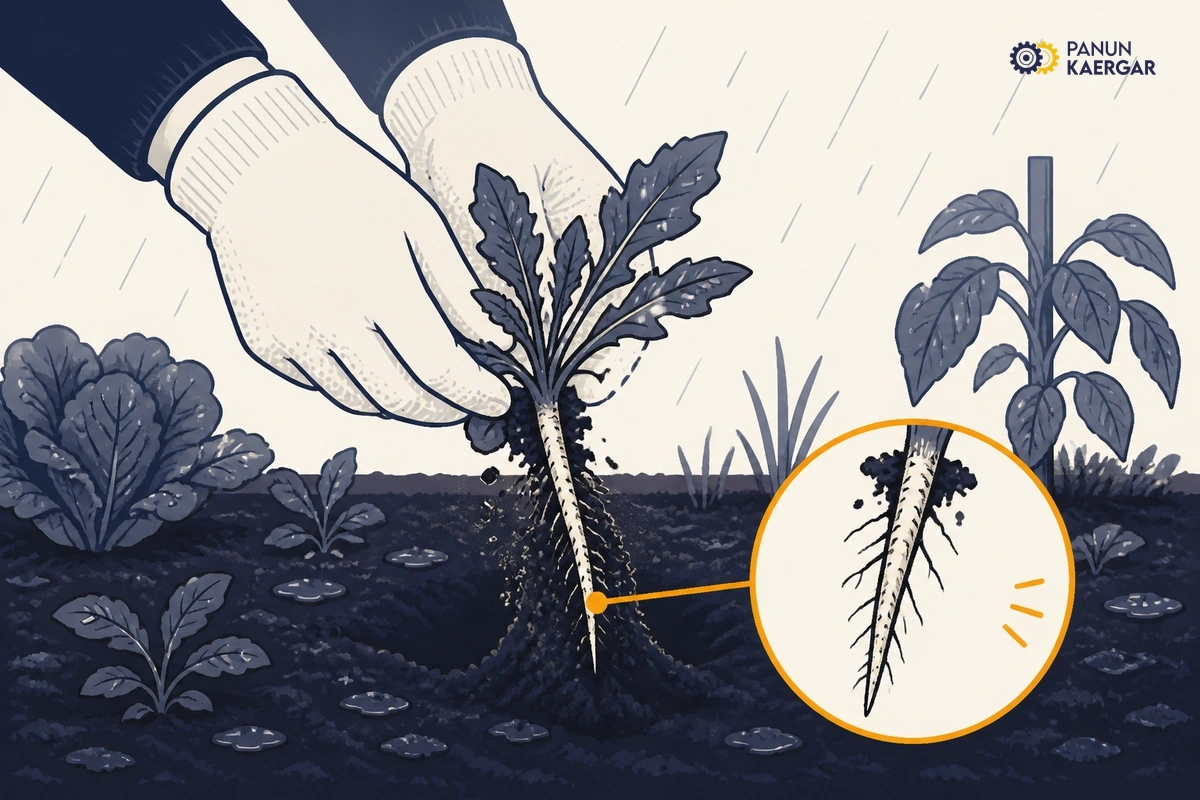
Pull after rain with the root
Best for: young weeds in soft soil
Wet soil lets taproots slide out whole; a dry tug snaps the crown and the same plant returns in a week.
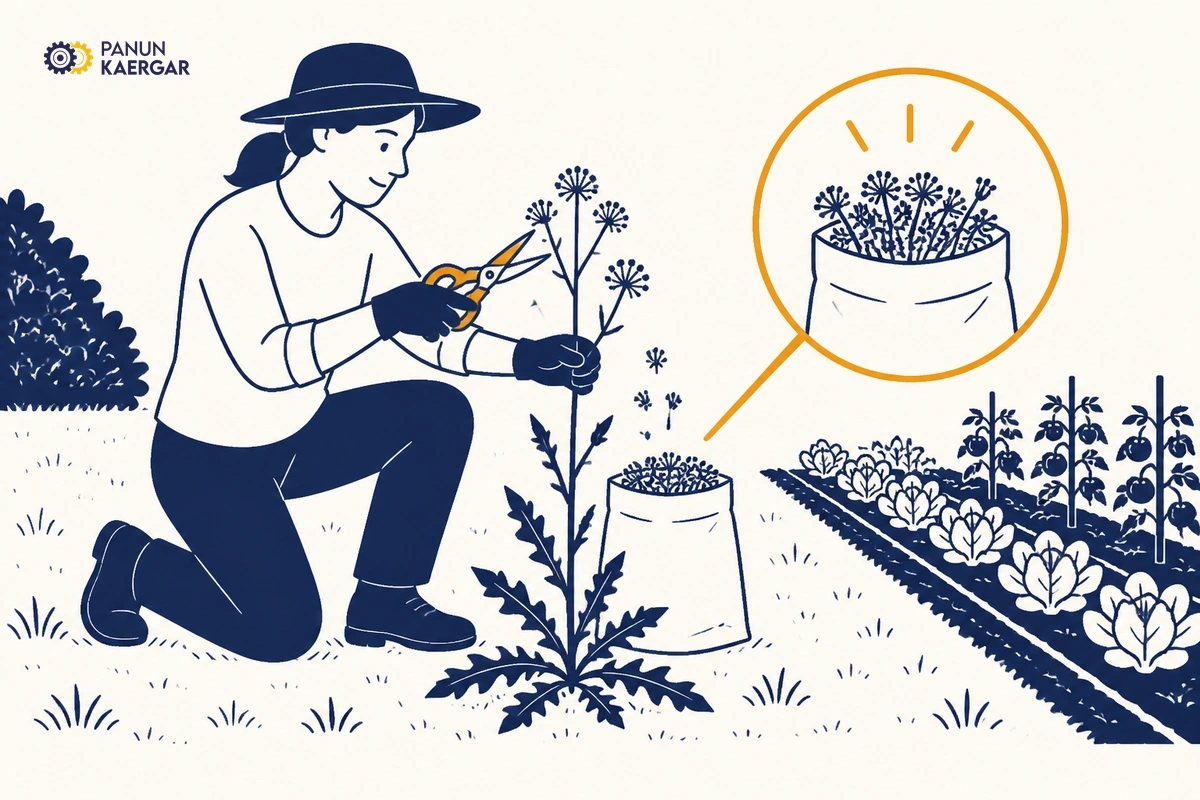
Cut seed heads first
Best for: weeds already flowering or seeding
Bag the heads before you disturb the plant so wind and the next mow do not sow a second crop across the lawn.
Mulch and fill the gaps
Best for: bare patches after weeding
Cover open soil with compost, leaf mulch, or a wanted plant so the next rain does not refill the same holes.

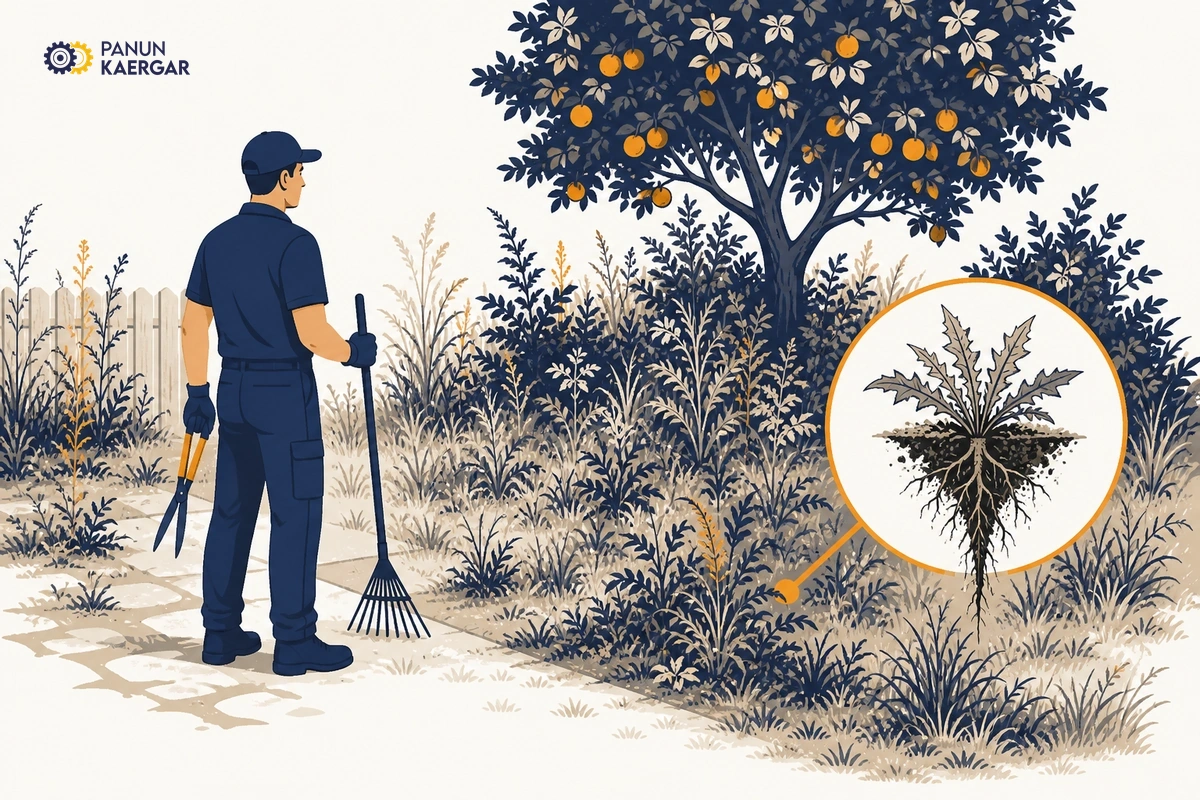
Book garden cleanup and weeding
Best for: a neglected plot or deep-rooted clumps
A gardener can clear large beds, edges, and fruit-tree understories, then set a monthly weeding rhythm before seeds set again.
Take one clear photo before taking anything apart. It helps a professional see the pattern and saves guesswork.
Kashmir home note
August rain after a warm spell fills Kashmir kitchen gardens, apple-tree understories, and neglected lawn edges almost overnight. Beds beside mint, haakh, and coriander mix with lookalikes if nobody walks the plot after a wet week.
What not to do
These shortcuts usually cost more than they save.
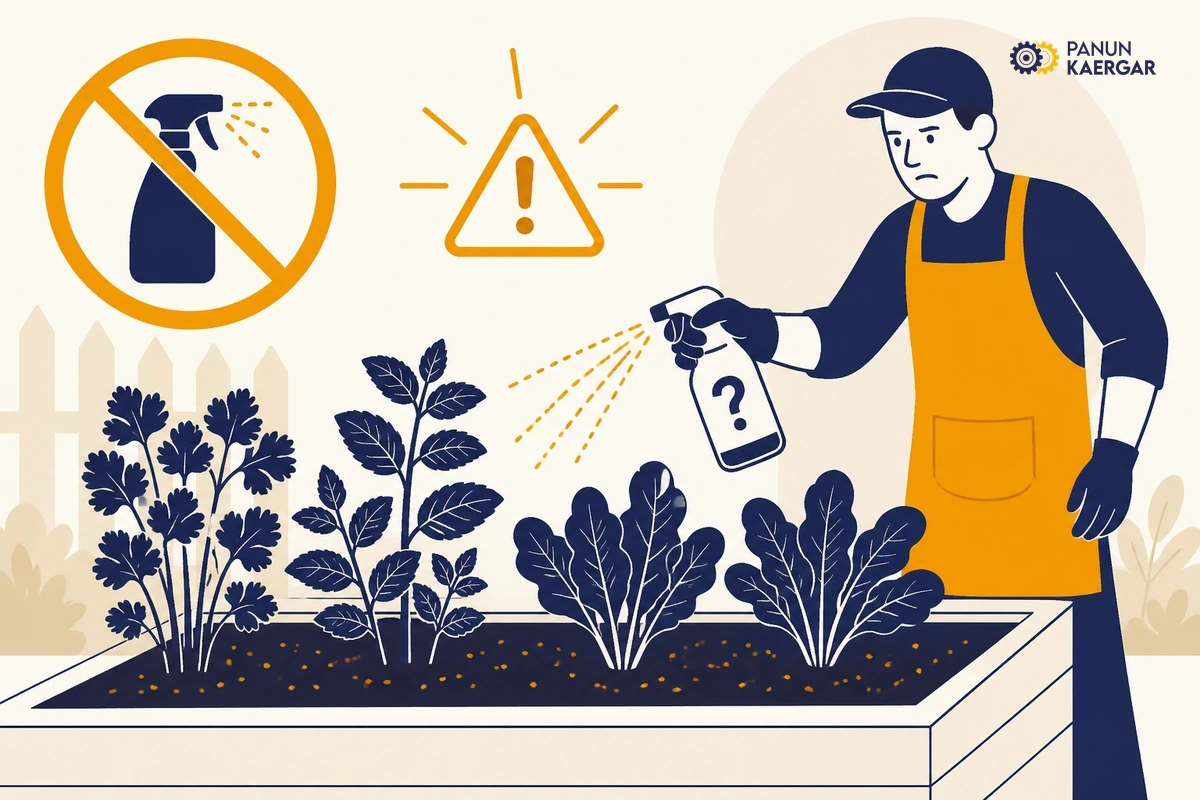
Spray mystery herbicide on kitchen beds
Poisons food plants and soil
A random shed bottle near coriander, mint, or haakh can kill the crop and leave residue in the soil you eat from.
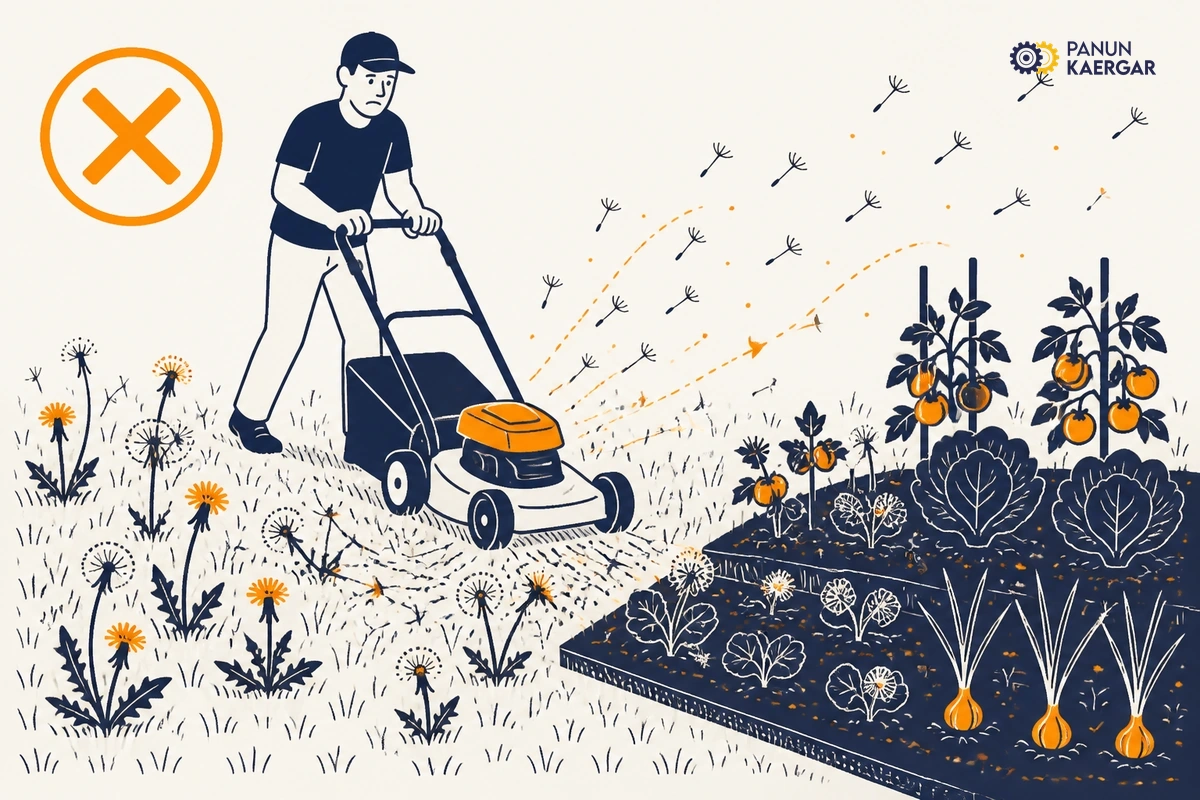
Mow weeds and leave the seed heads
Spreads a second crop
A quick mow scatters ripe seeds across the lawn and into vegetable rows instead of removing them.
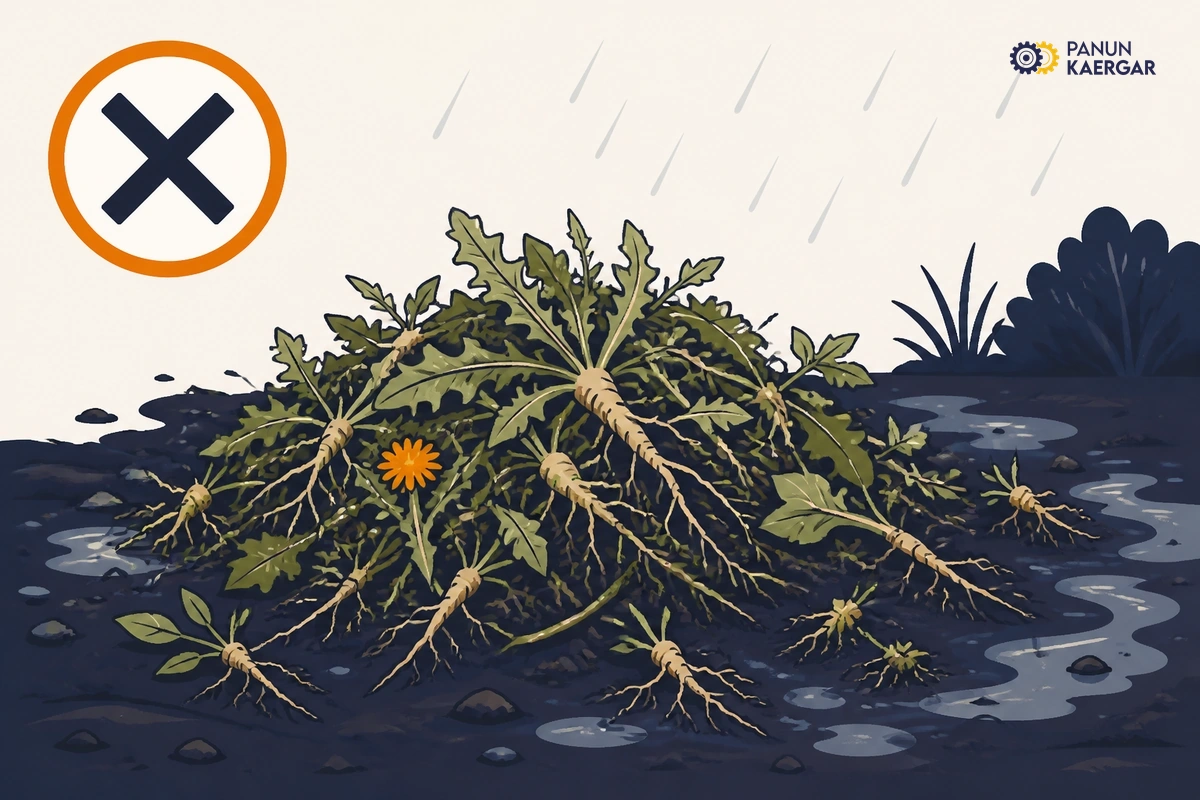
Dump pulled weeds in a damp pile
They re-root on the soil
Moist stems and taproots left on the bed can take again after the next rain, undoing the afternoon's work.
Keep it from returning
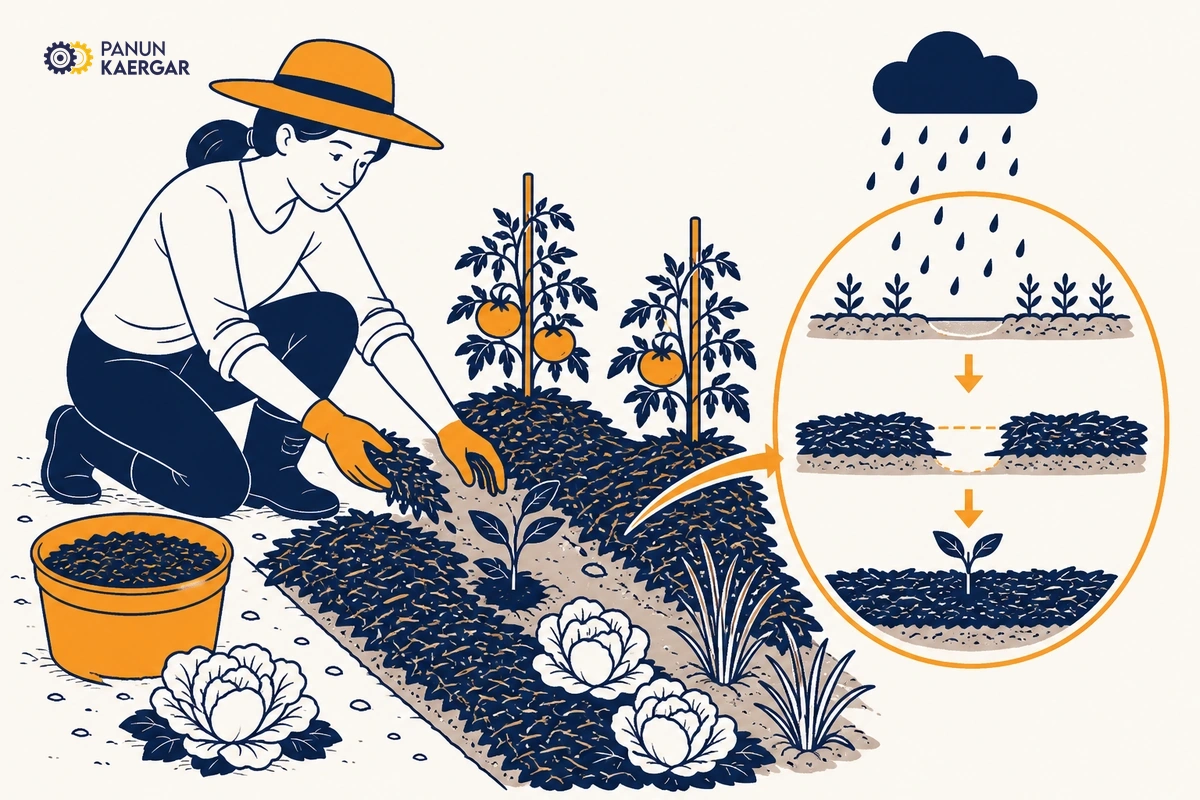
Fix the small trigger, keep the area clean and dry where relevant, and deal with repeat symptoms before they become a replacement job.
When to book a professional
Book a gardener for a whole neglected plot, deep-rooted clumps around fruit trees, steep or large lawn edges, or a monthly garden maintenance plan that includes weeding.
Need hands-on help? Book verified a gardener through Panun Kaergar across Kashmir when DIY has done its part.
FAQs
What is the first check for garden weeds taking over?
Walk the plot in daylight and mark mint, haakh, and coriander before yanking lookalikes — a weed is only a weed once you know it is not dinner.
Can I keep using it?
Only if there is no safety risk or spreading damage. Stop when the symptom worsens.
Why did this start suddenly?
A change in load, moisture, wear, cleaning product, or season often exposes a weak point.
Will a temporary fix last?
It can buy time, but repeat symptoms need the cause corrected.
When should I book help?
Book a gardener for a whole neglected plot, deep-rooted clumps around fruit trees, steep or large lawn edges, or a monthly garden maintenance plan that includes weeding.