
A proud balcony garden gets watered twice daily through a hot week indoors. By Friday the leaves look yellow and limp, which feels cruelly like thirst.
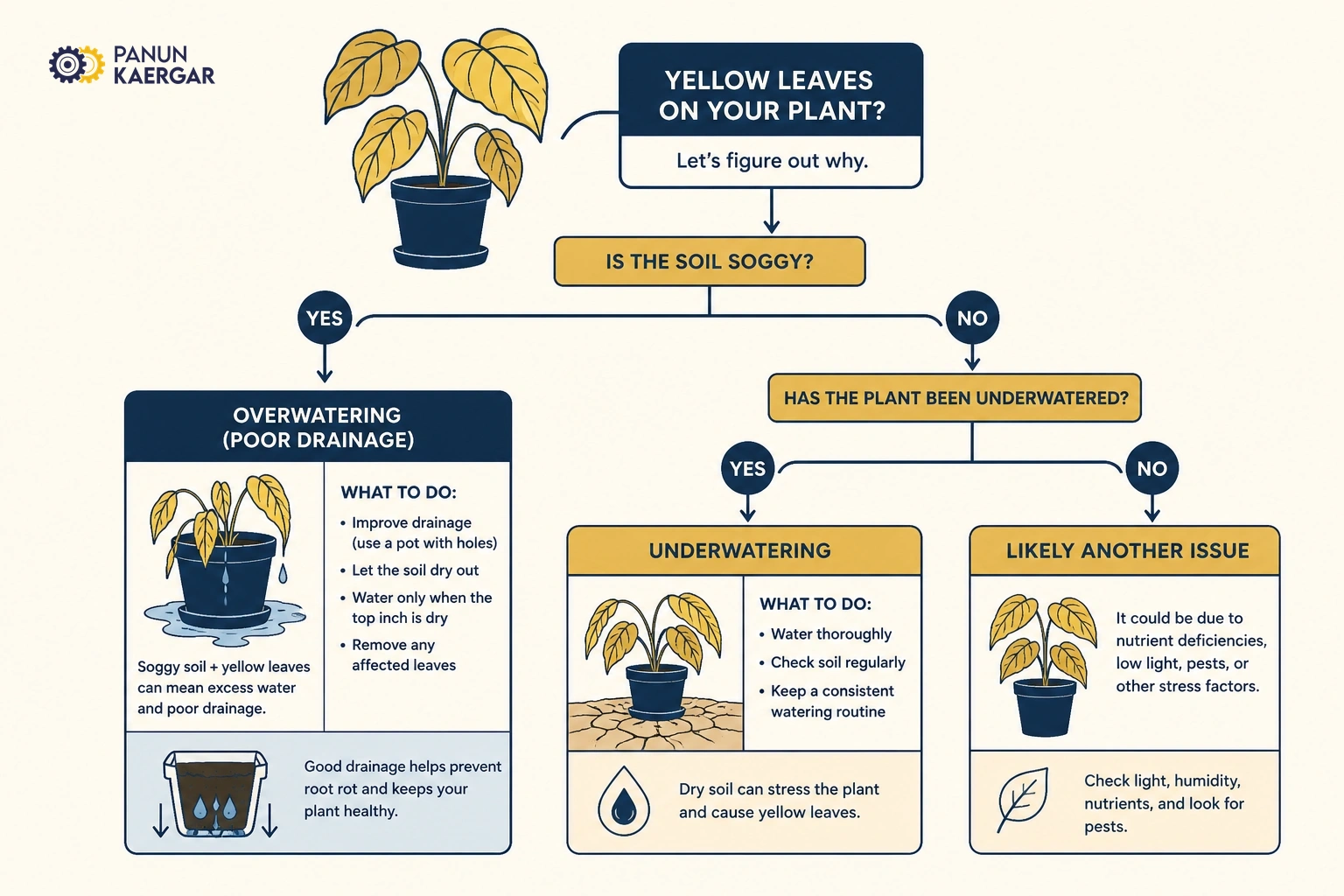
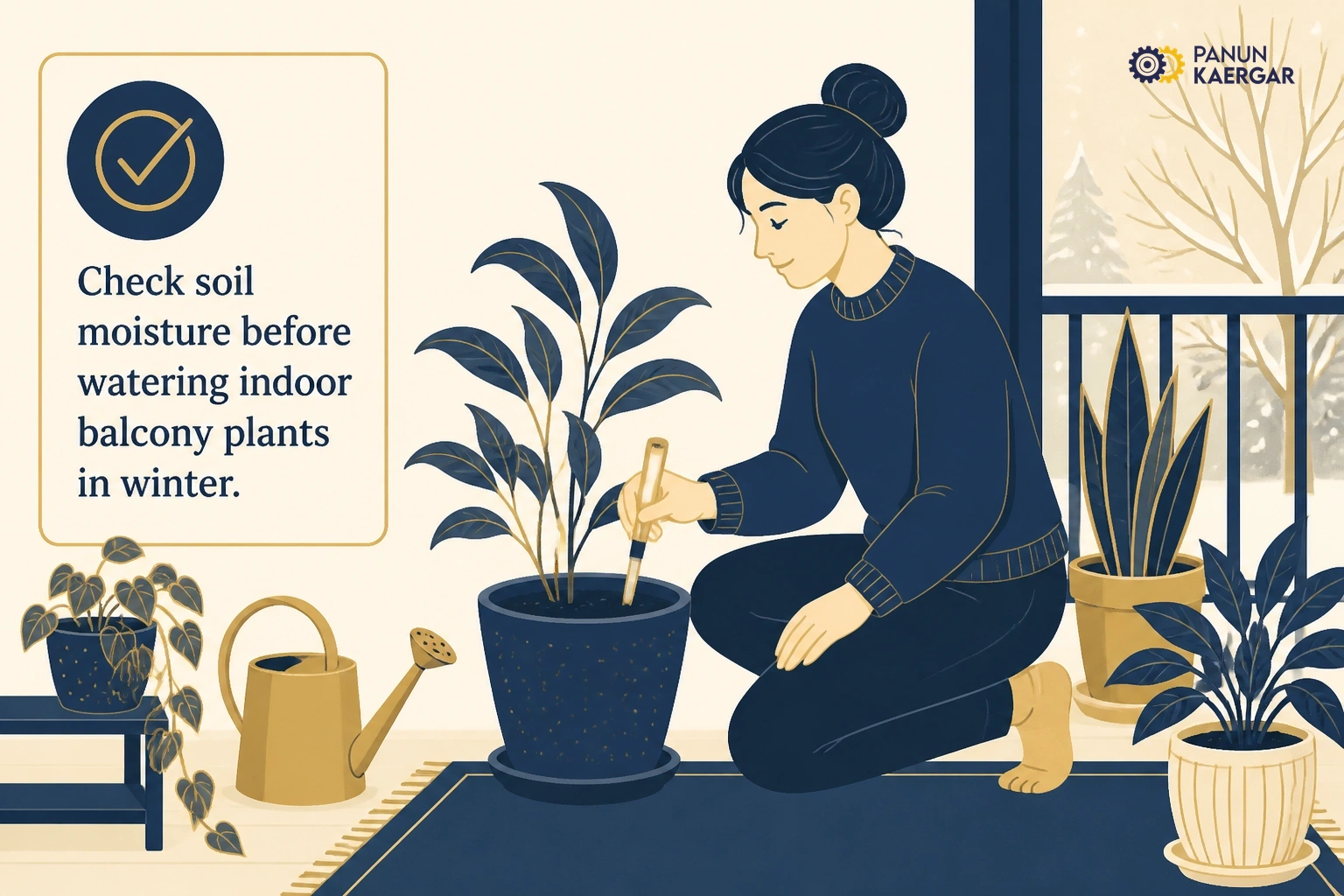
Check soil moisture before watering, improve drainage, and look for yellowing lower leaves, soggy soil, and fungus gnats. Wilt from overwatering needs less water, not more.
Quick diagnosis map
Start with the symptom, not the most dramatic fix. A small check now can save a cabinet, appliance, or Sunday afternoon.
| What you notice | Likely reason | First move |
|---|---|---|
| Yellow leaves, limp stems, or mouldy soil surface | Roots sitting in wet soil with poor drainage | Stick a finger or skewer in; water only if the top few centimetres are dry. |
| Problem worsens after use | An underlying fault or hidden damage | Stop adding load; inspect safely. |
| Heat, burning smell, leak, or sudden pain | Safety issue, not a DIY puzzle | Switch off / isolate / get help. |
Do not water because the leaves droop without checking soil, leave pots in full saucers, or repot into dense garden soil alone.
What usually causes this
The visible symptom is useful, but the small detail around it usually tells the real story.
- Watering on a schedule instead of by soil feel.
- Pots without drainage holes or saucers holding water.
- Heavy soil that stays wet through cool nights.
Try these in order
Begin with the reversible checks. The goal is a clean fix, not winning an argument with a stubborn household thing.
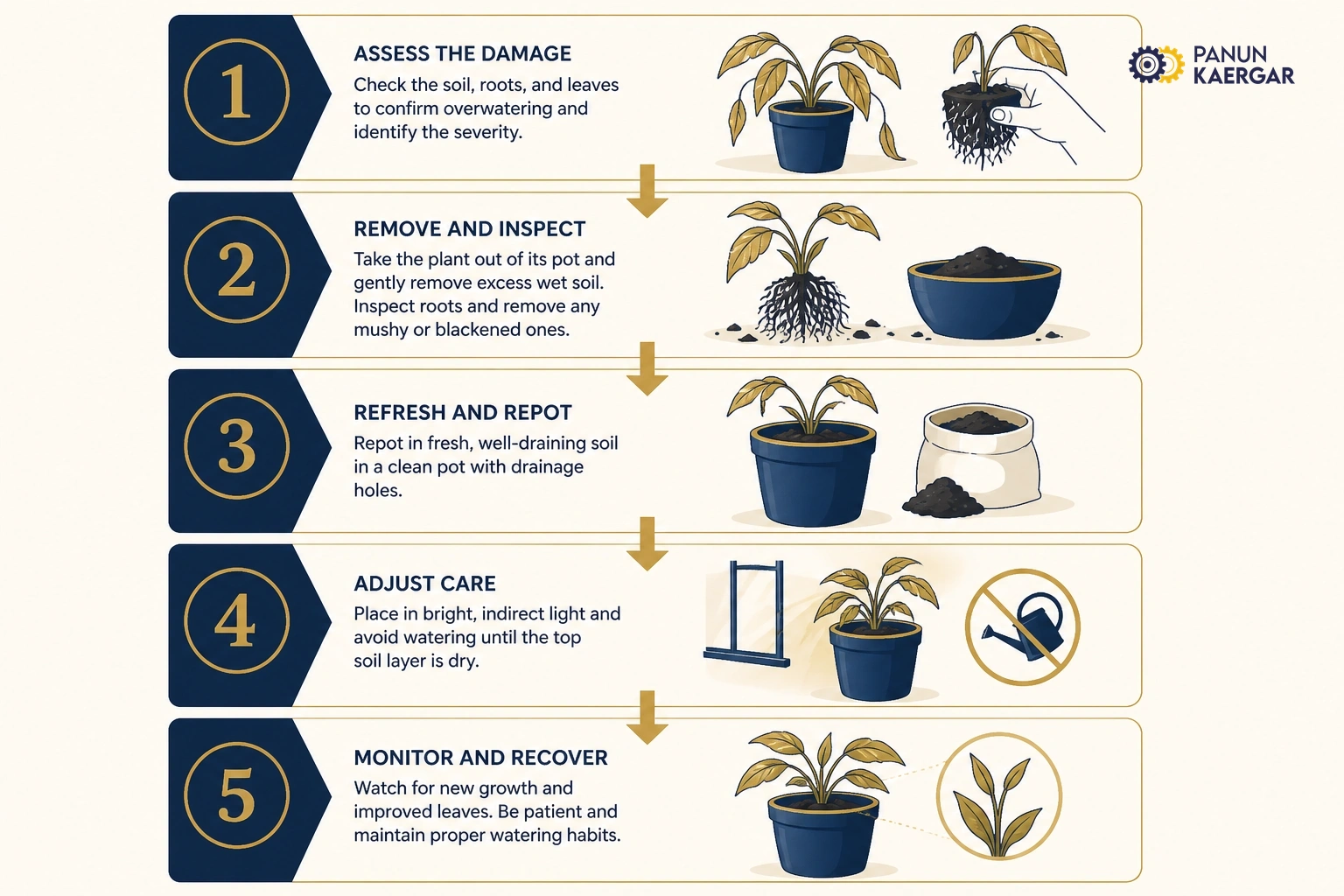
Test the soil
Best for: before every pour
Stick a finger or skewer in; water only if the top few centimetres are dry.
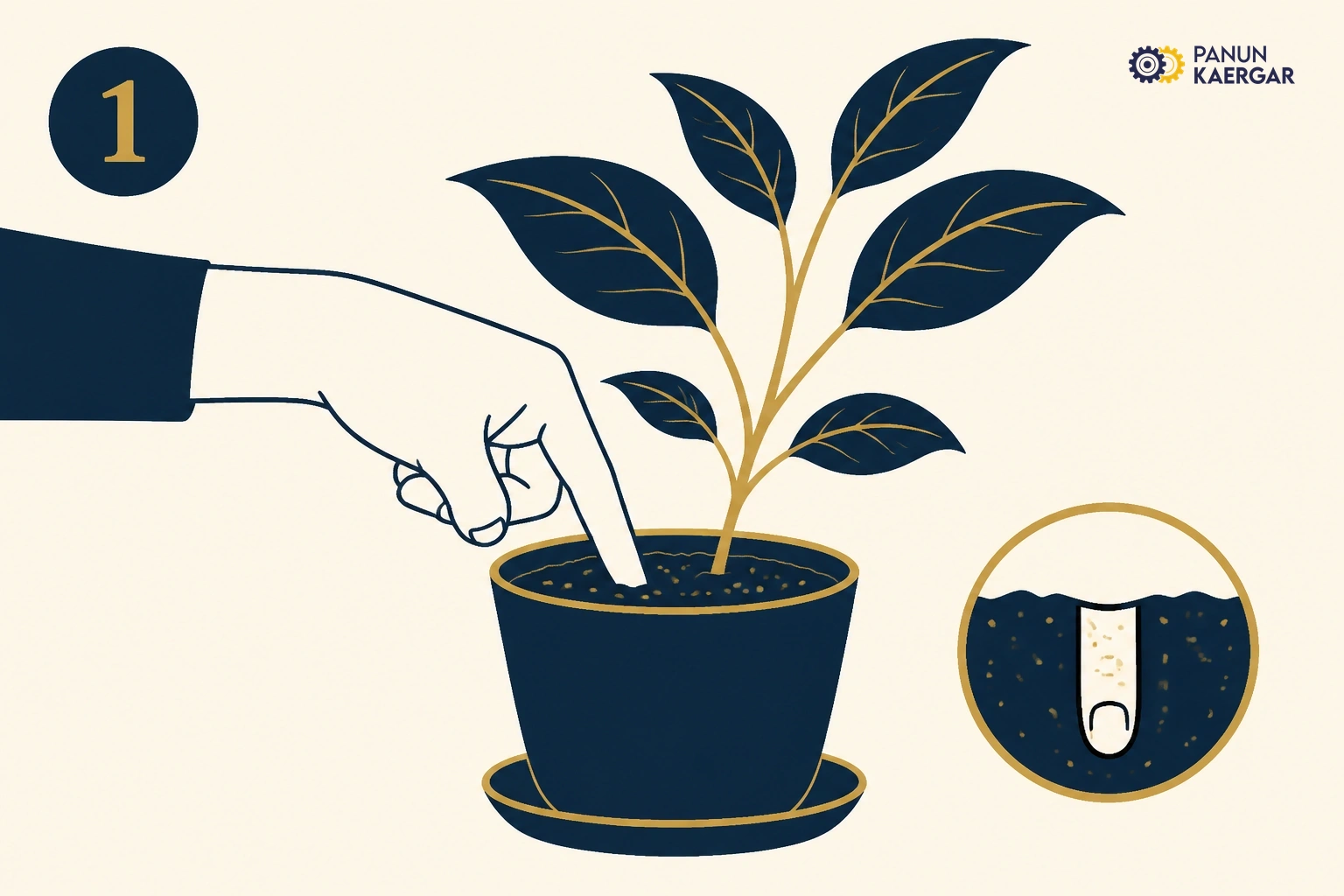
Empty saucers
Best for: potted plants
Drain standing water after watering so roots are not bathing.
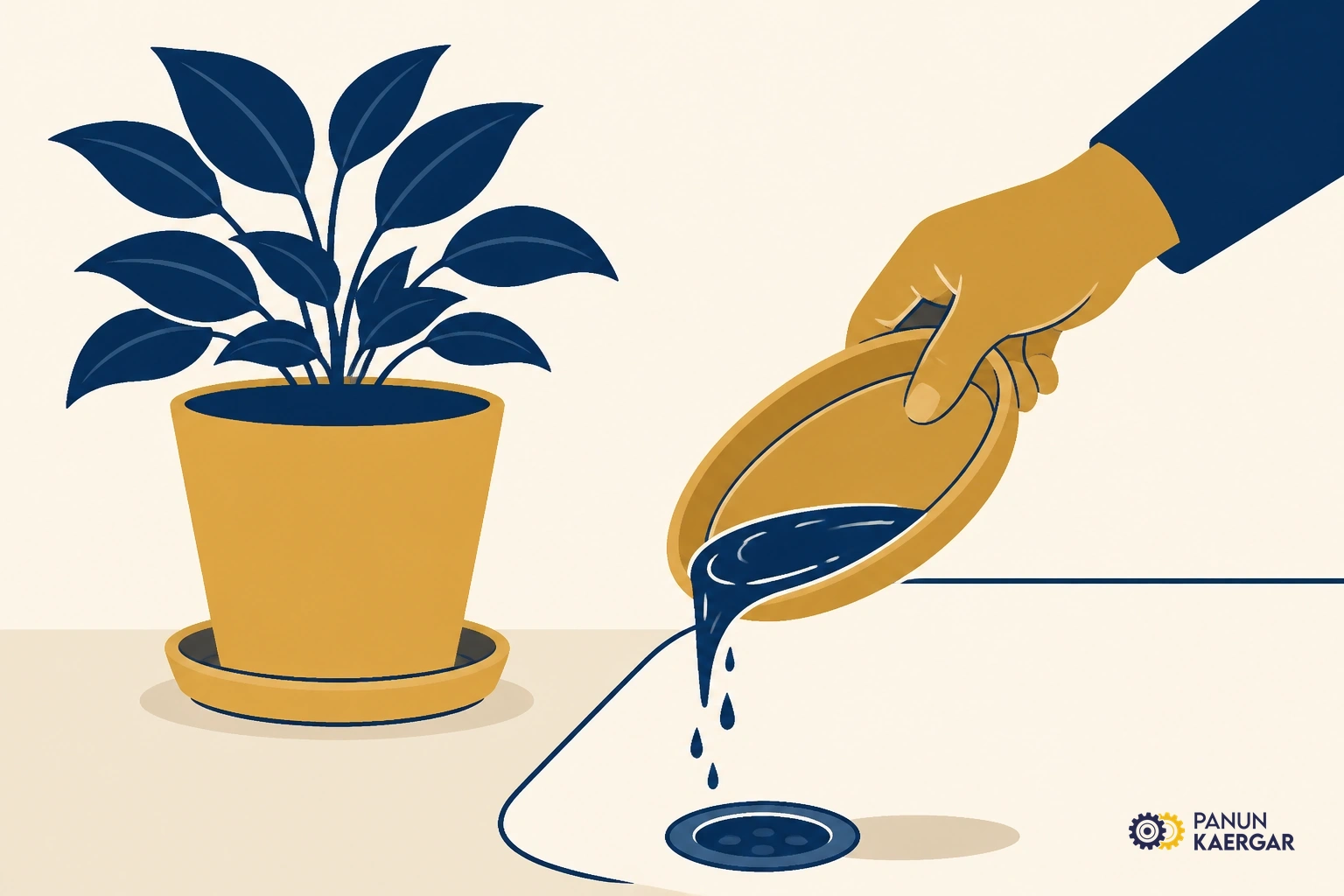
Check drainage holes
Best for: soggy pots
Make sure holes are open and not blocked by roots or stones.
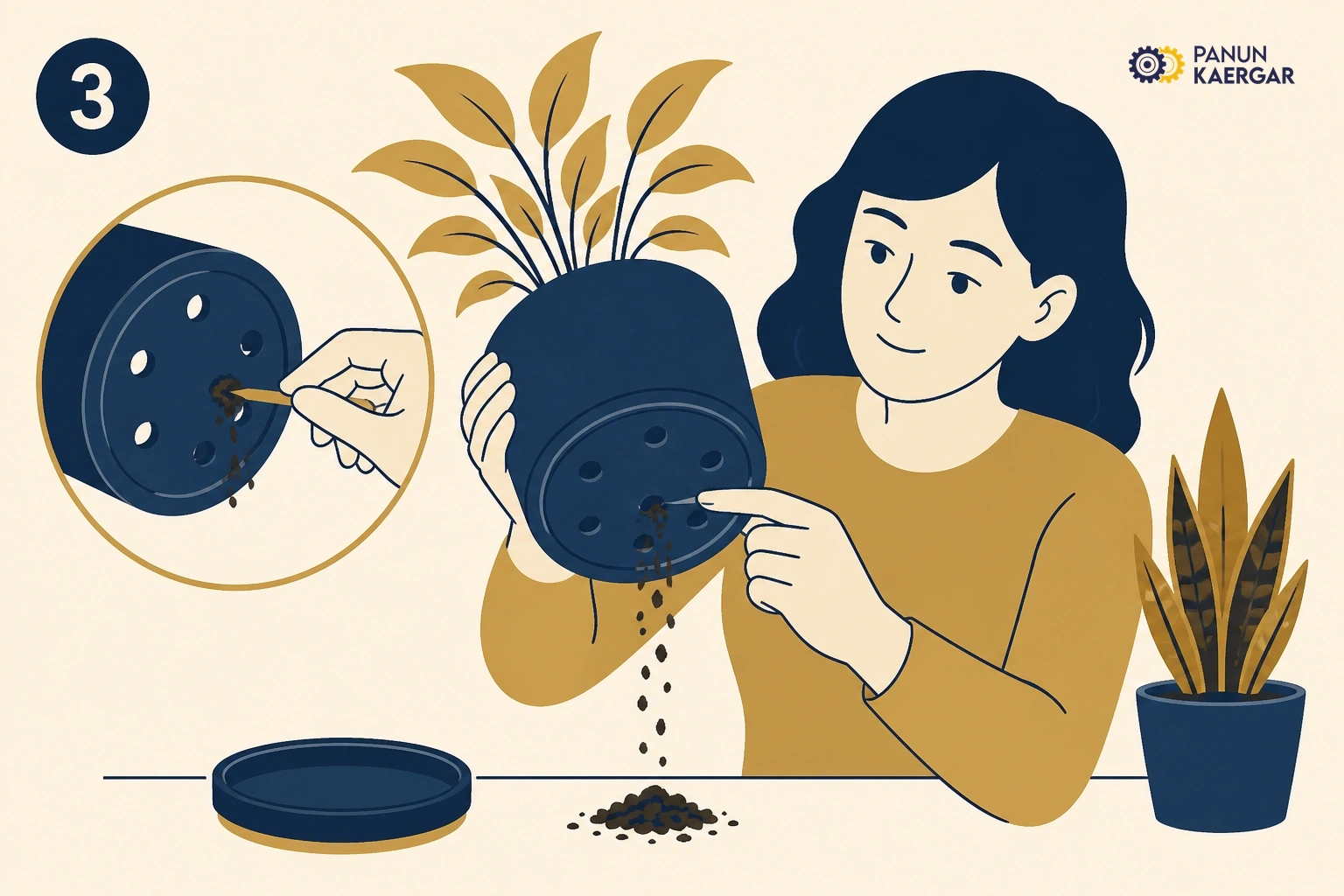
Improve airflow
Best for: indoor plants
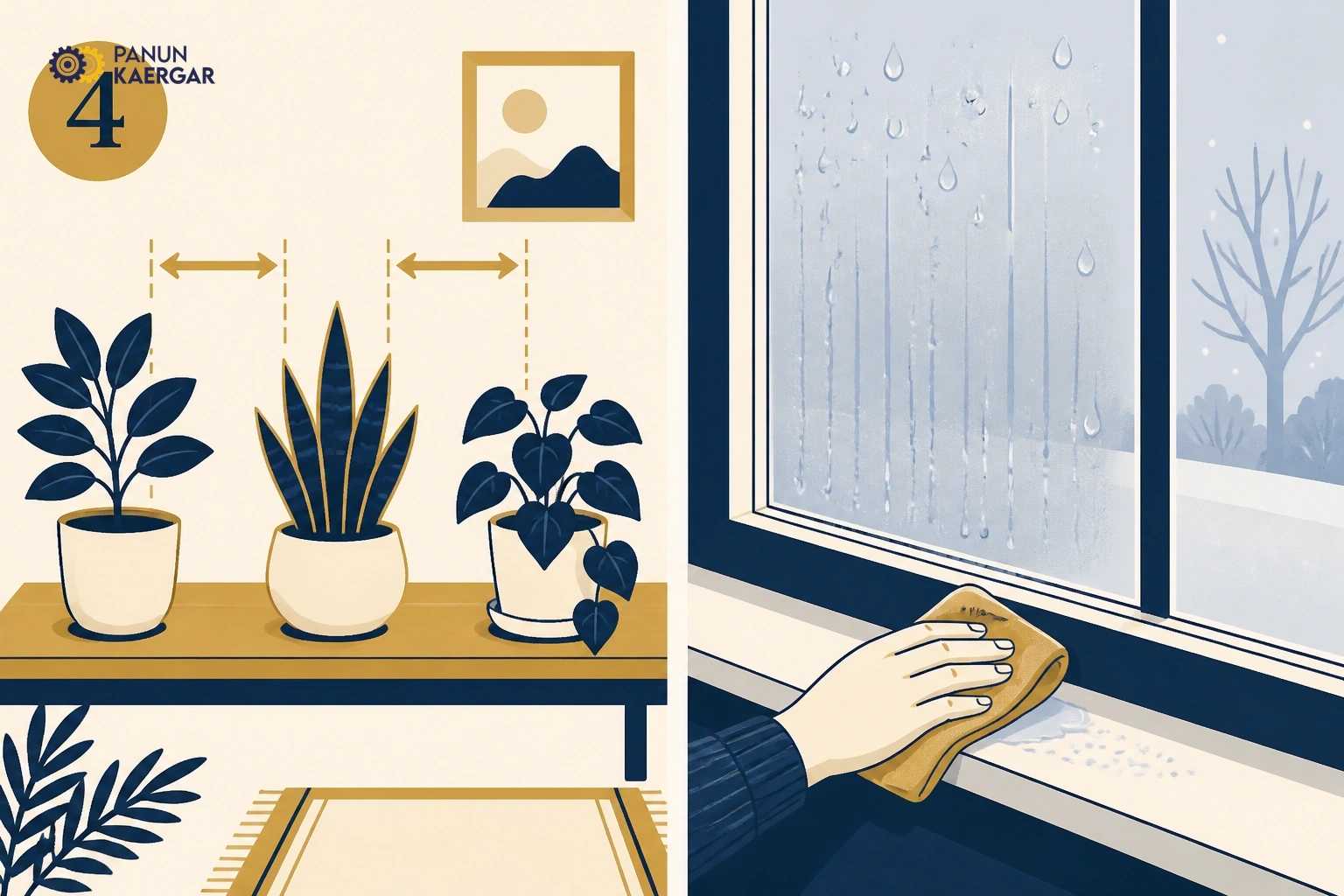
Space pots and wipe condensation from cold window sills.
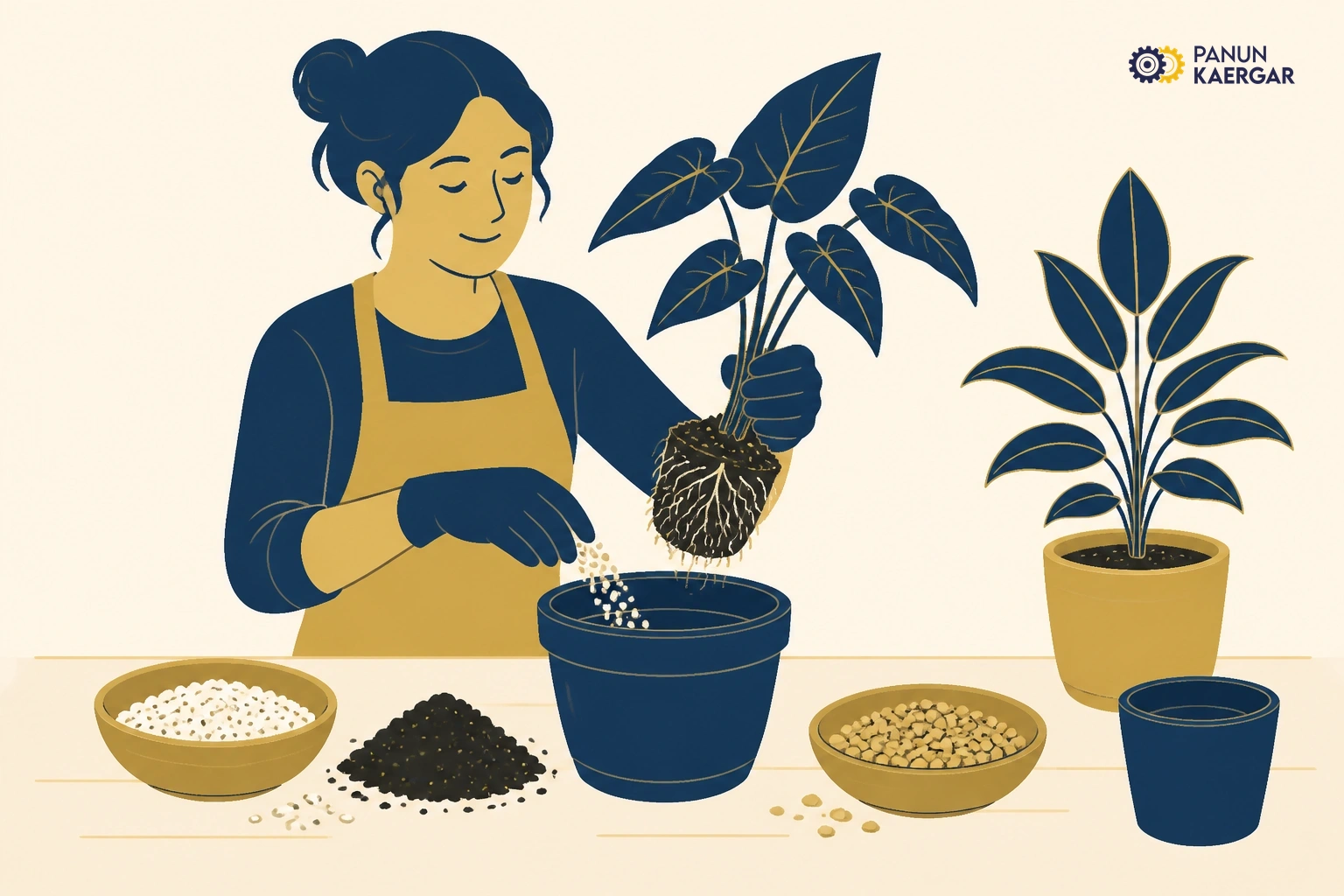
Repot or refresh soil
Best for: chronic sogginess
A gardener can add grit, perlite, or move plants to better containers.
Take one clear photo before taking anything apart. It helps a professional see the pattern and saves guesswork.
Kashmir home note
Indoor heat and cold window sills create uneven drying in Kashmir homes. A plant by the glass may stay wet at the roots while the top looks dry.
What not to do
These shortcuts usually cost more than they save.
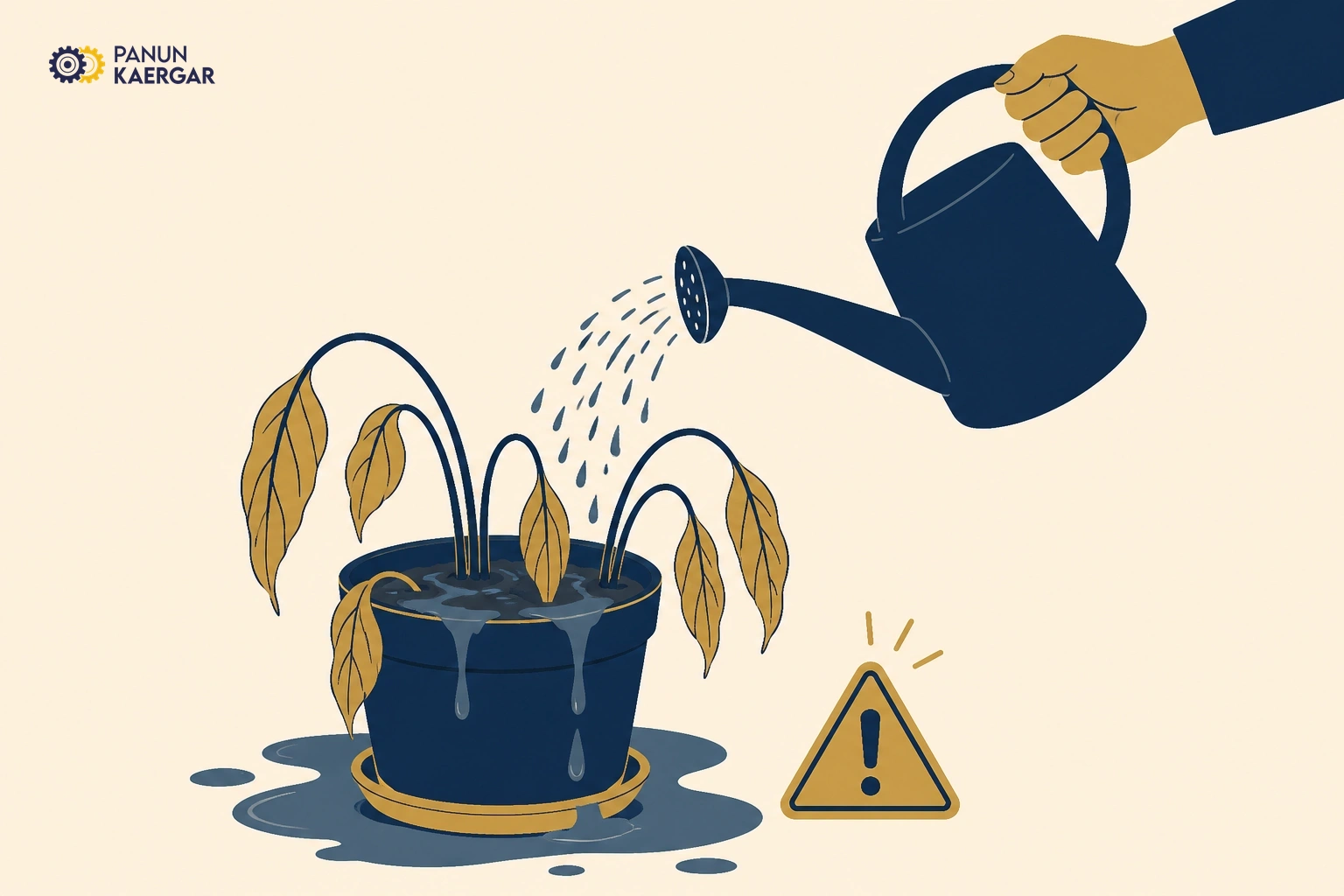
Water because the leaves droop
Overwatering can look like thirst
Limp yellow leaves with wet soil mean too much water, not too little. Check the soil before adding more.
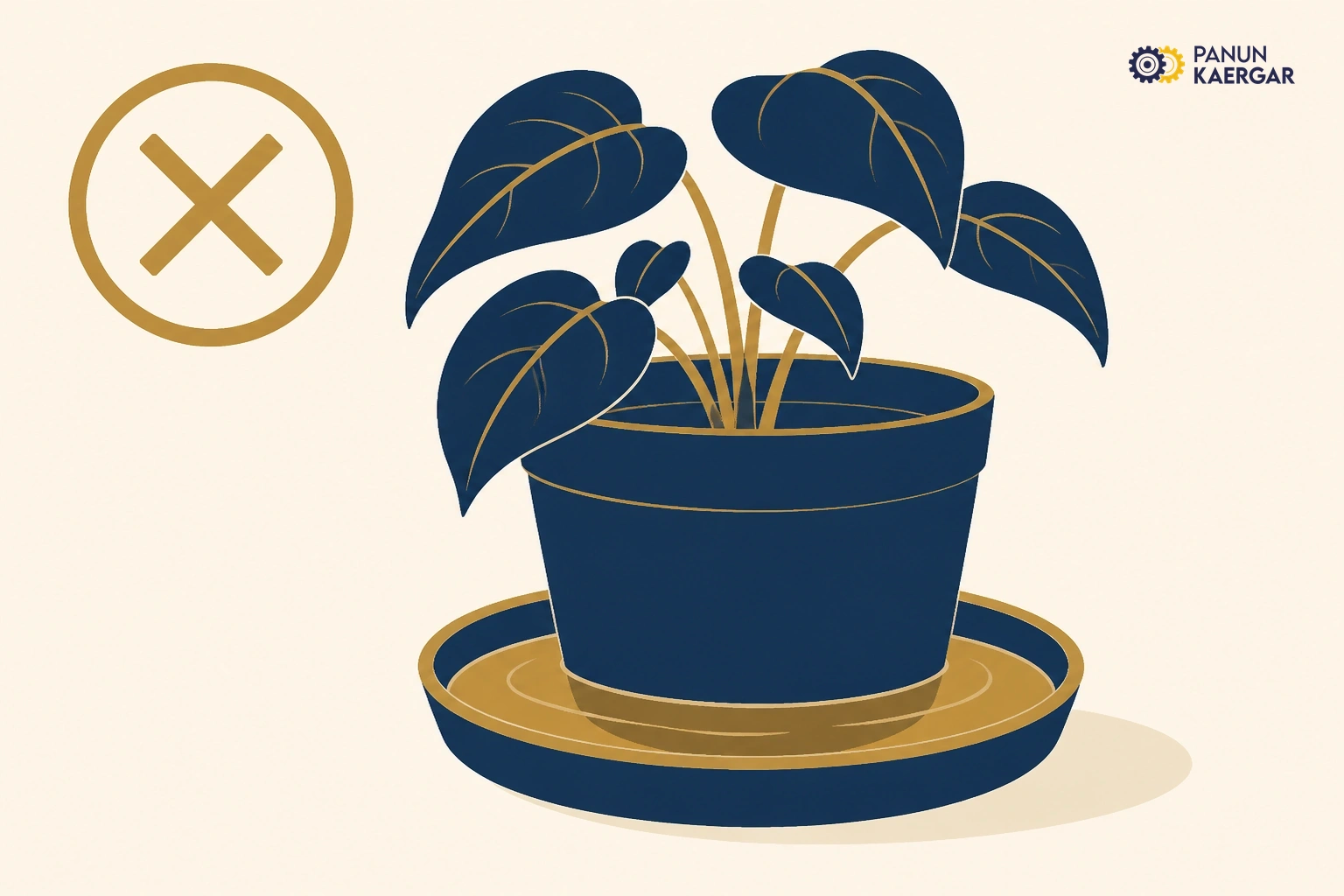
Leave pots in full saucers
Roots sit in standing water
Saucers that stay full keep the bottom of the pot wet through cool nights and encourage rot.
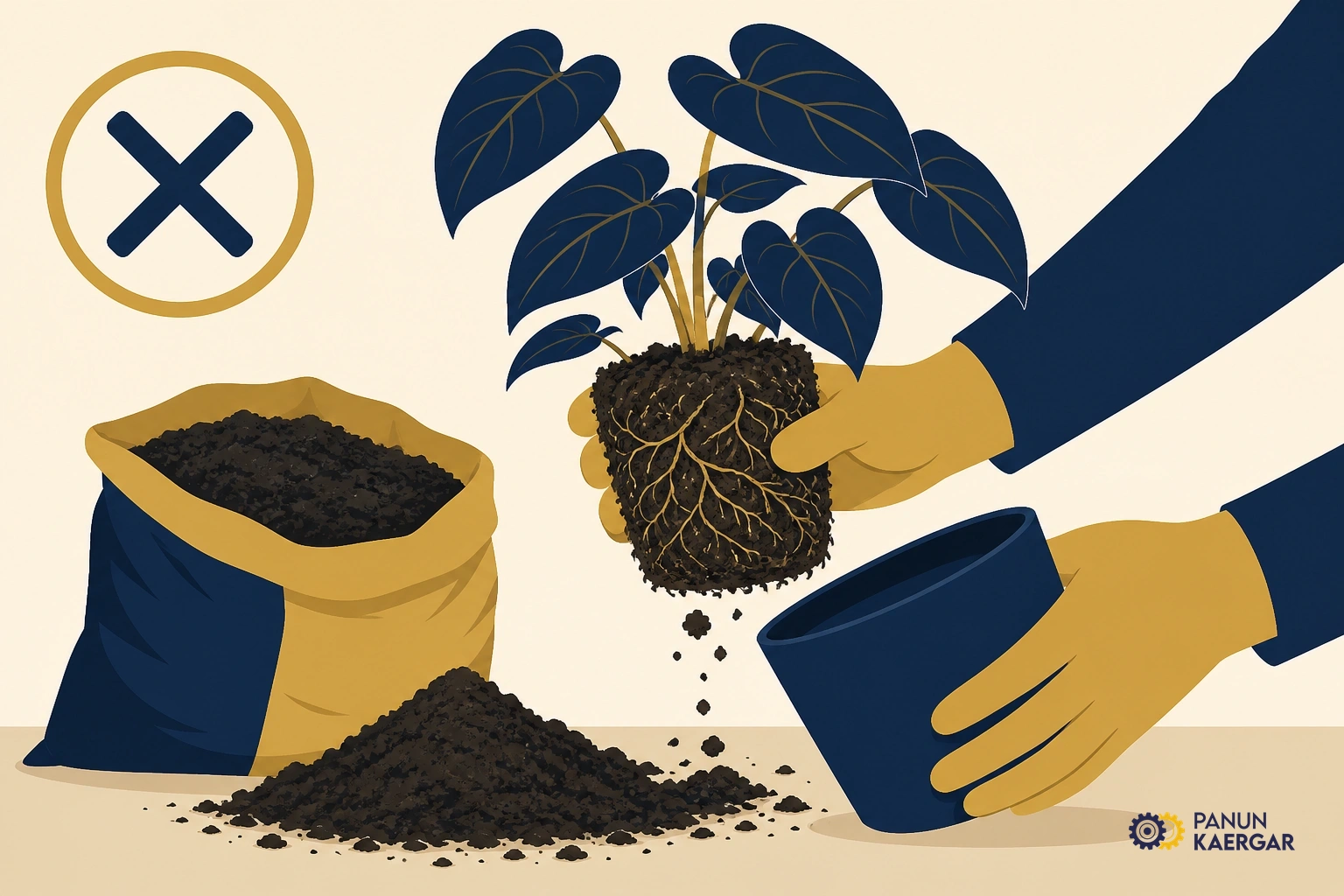
Repot into dense garden soil alone
Heavy mix holds moisture too long
Plain garden soil in a pot compacts and stays wet indoors; grit or perlite improves drainage.
Keep it from returning
Fix the small trigger, keep the area clean and dry where relevant, and deal with repeat symptoms before they become a replacement job.
When to book a professional
Book a gardener for repeated plant loss, drainage redesign, balcony beds that never dry, or pest/fungal issues after soggy soil.
FAQs
What is the first check for plants looking sad?
Stick a finger or skewer in; water only if the top few centimetres are dry.
Can I keep using it?
Only if there is no safety risk or spreading damage. Stop when the symptom worsens.
Why did this start suddenly?
A change in load, moisture, wear, cleaning product, or season often exposes a weak point.
Will a temporary fix last?
It can buy time, but repeat symptoms need the cause corrected.
When should I book help?
Book a gardener for repeated plant loss, drainage redesign, balcony beds that never dry, or pest/fungal issues after soggy soil.