
Fresh emulsion in a Hazratbal bedroom lifts in curls by winter. The colour looked fine in October; the wall underneath had other plans.
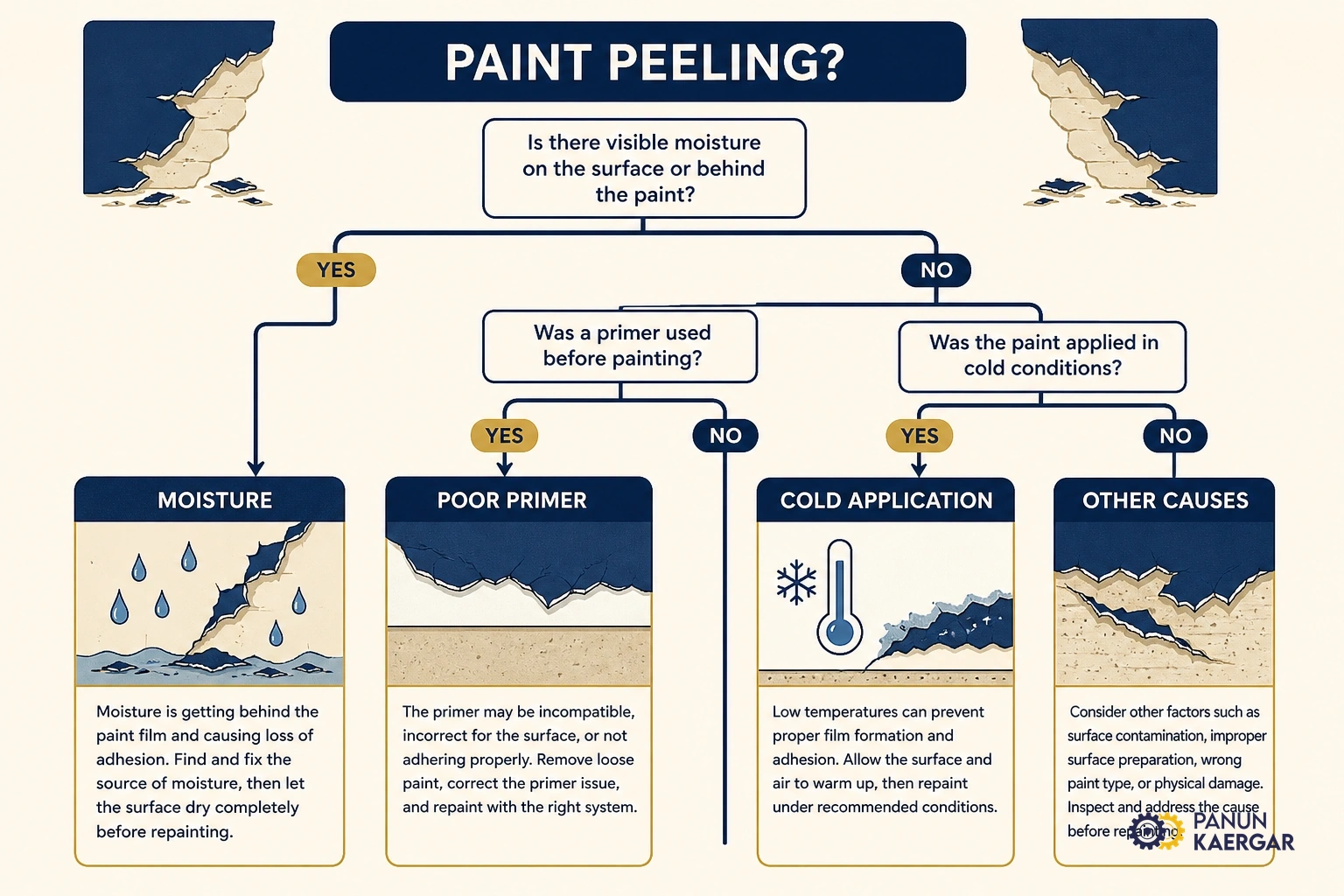
Peeling usually means poor adhesion, moisture, or surface prep failure. Scrape loose paint, fix damp, prime correctly, and repaint. Do not roll new colour over lifting flakes.
Quick diagnosis map
Start with the symptom, not the most dramatic fix. A small check now can save a cabinet, appliance, or Sunday afternoon.
| What you notice | Likely reason | First move |
|---|---|---|
| Paint flakes, blisters, or lifts in sheets | Moisture, chalky surface, wrong primer, or paint on glossy old coat | Remove loose flakes back to a firm edge; do not rip good paint. |
| Problem worsens after use | An underlying fault or hidden damage | Stop adding load; inspect safely. |
| Heat, burning smell, leak, or sudden pain | Safety issue, not a DIY puzzle | Switch off / isolate / get help. |
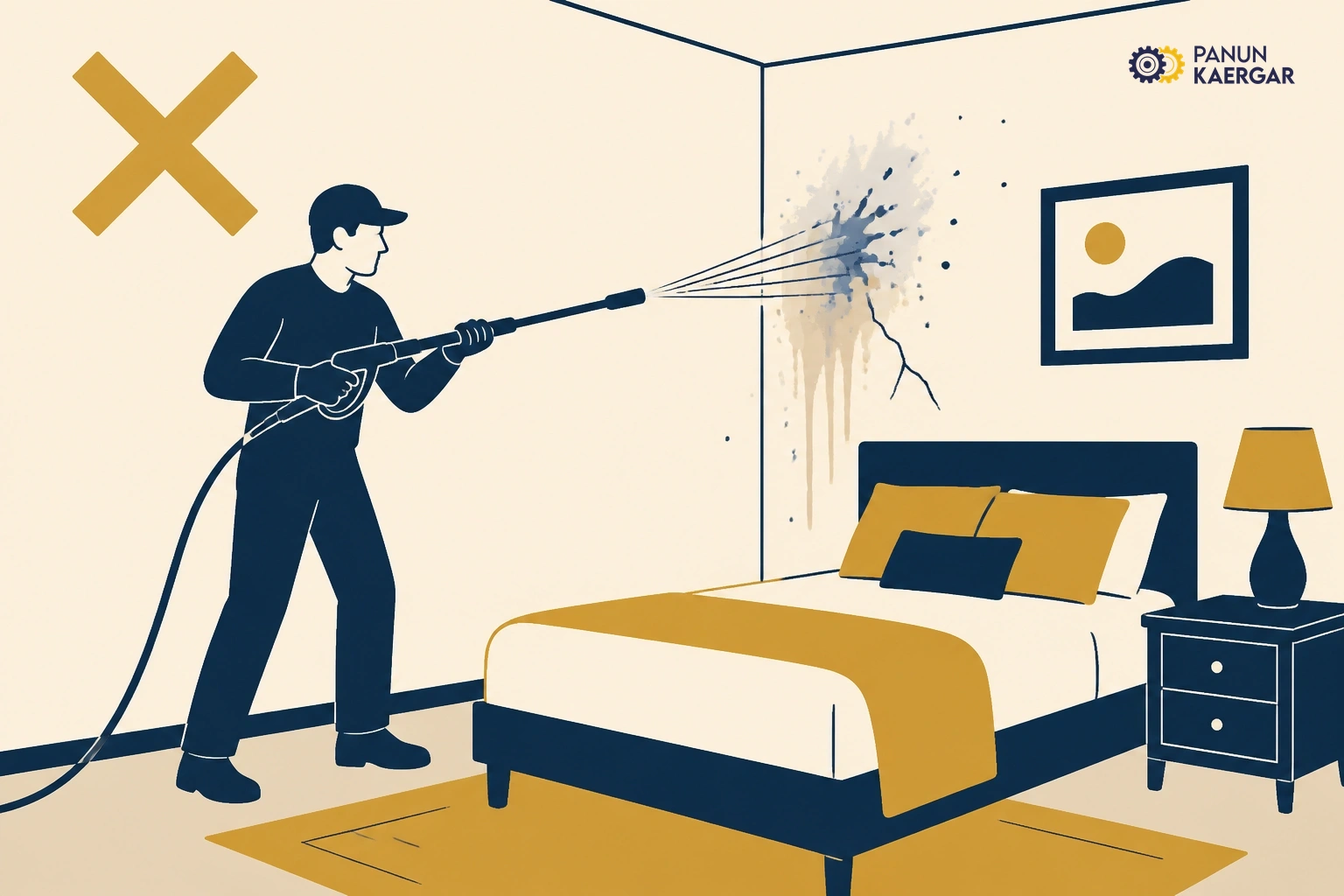
Do not glue flakes down with fresh paint, ignore damp behind the wall, or pressure-wash interior peeling areas.
What usually causes this
The visible symptom is useful, but the small detail around it usually tells the real story.
- Painting over damp or salty walls.
- Skipping primer on new plaster or glossy old paint.
- Cheap paint on a wet or very cold wall.
Try these in order
Begin with the reversible checks. The goal is a clean fix, not winning an argument with a stubborn household thing.
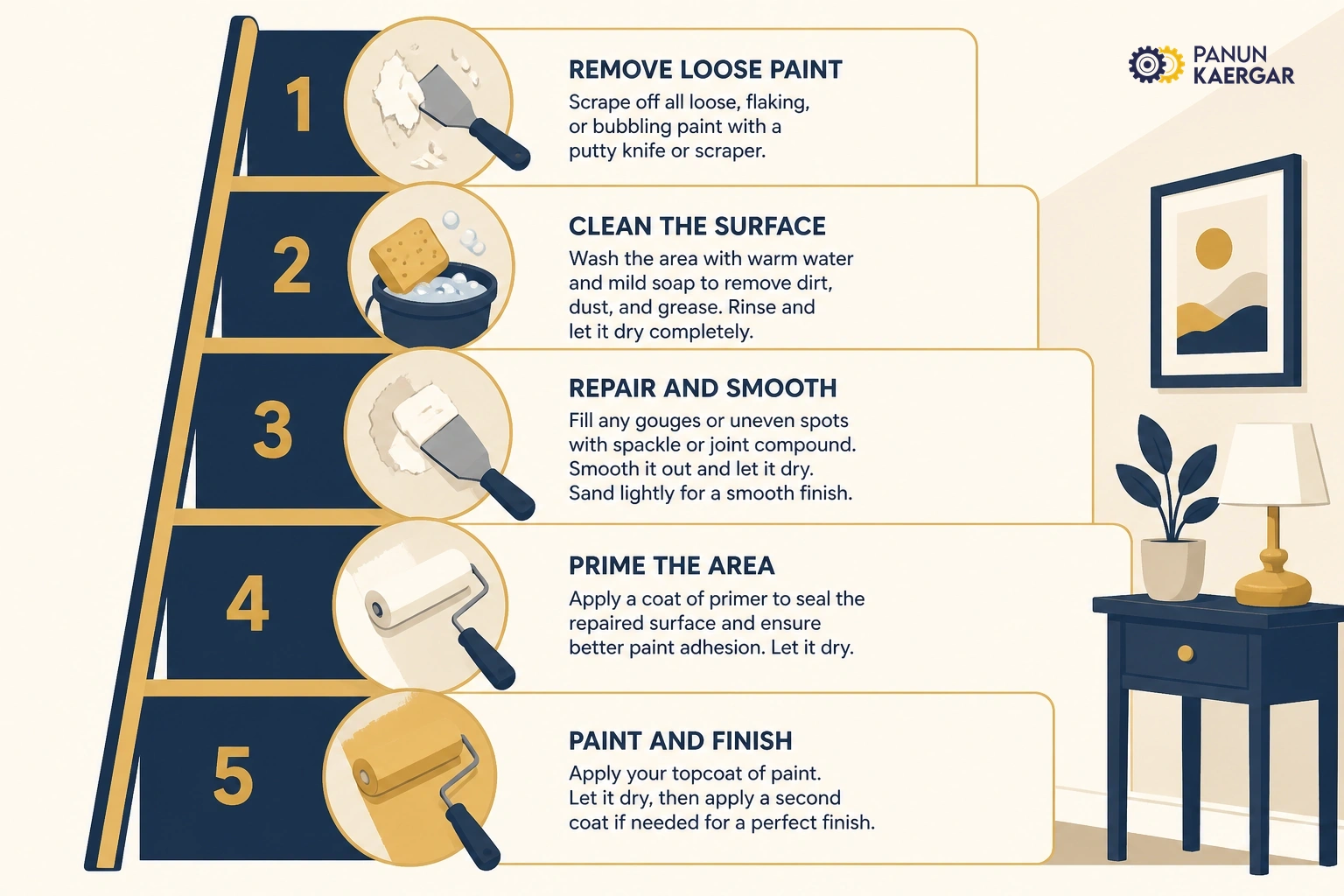
Scrape what lifts easily
Best for: active peeling
Remove loose flakes back to a firm edge; do not rip good paint.

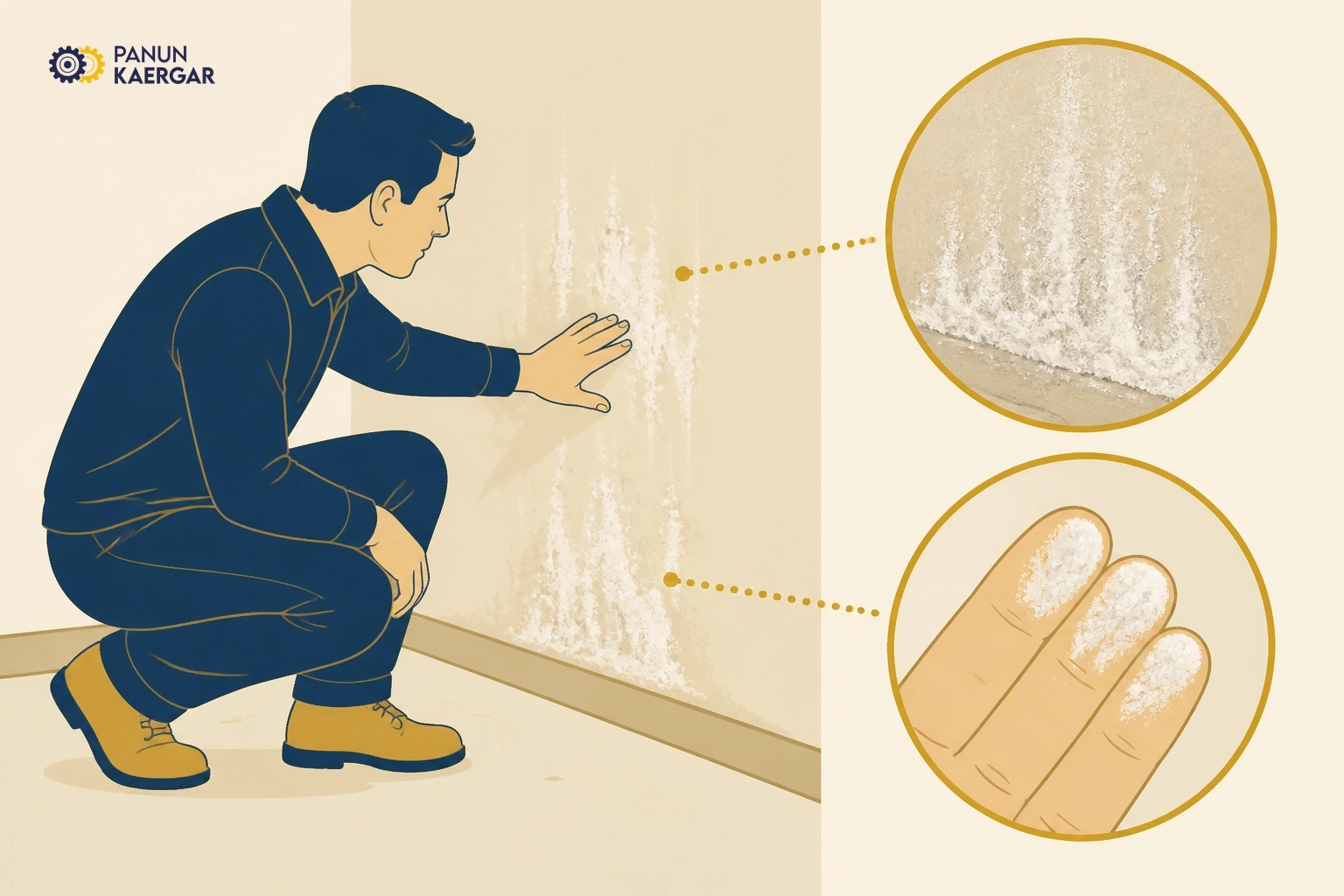
Find moisture or chalk
Best for: repeat peeling
Check for damp, efflorescence, or powdery plaster.
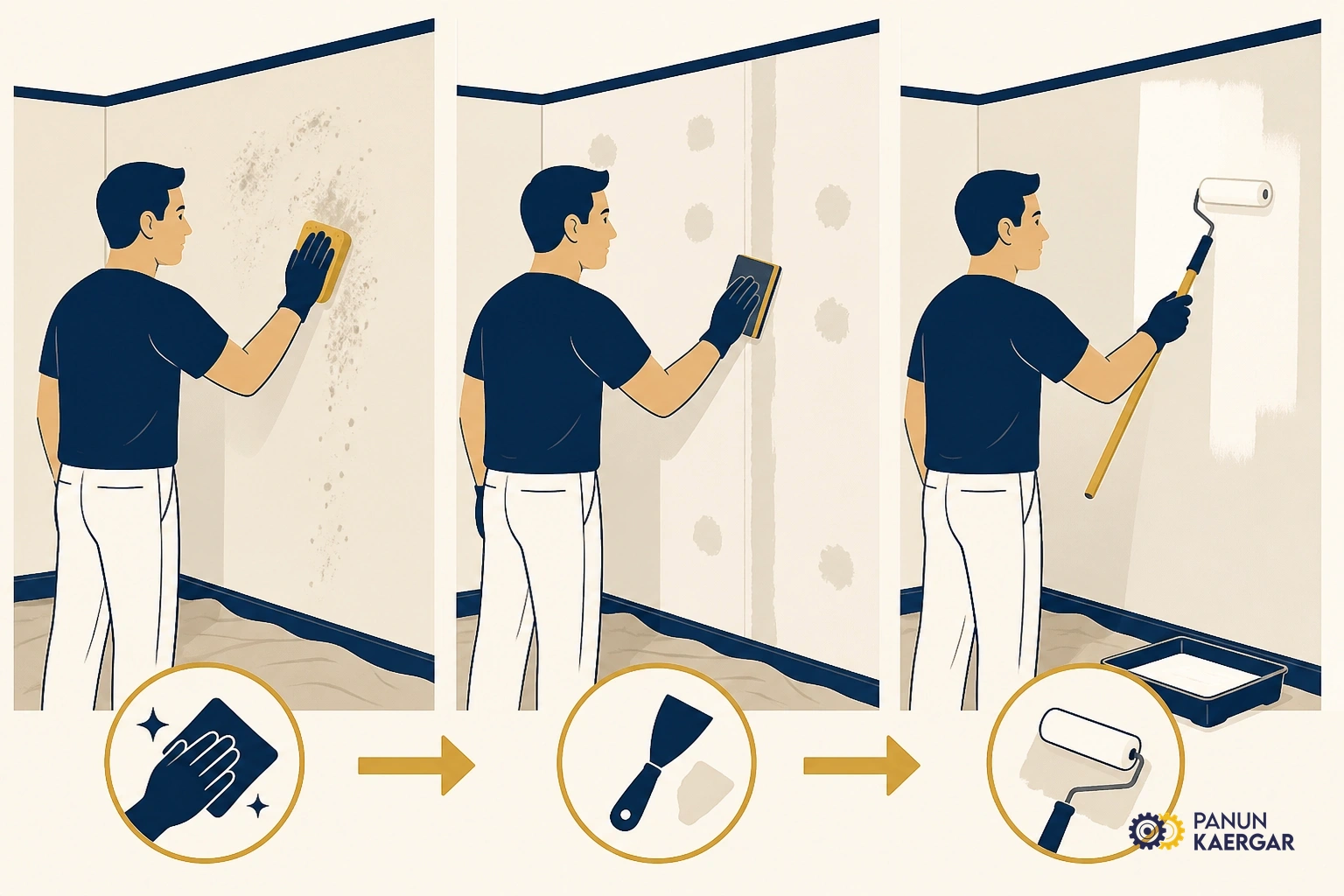
Prepare the surface
Best for: before repaint
Clean, dry, and use the correct primer for that wall.
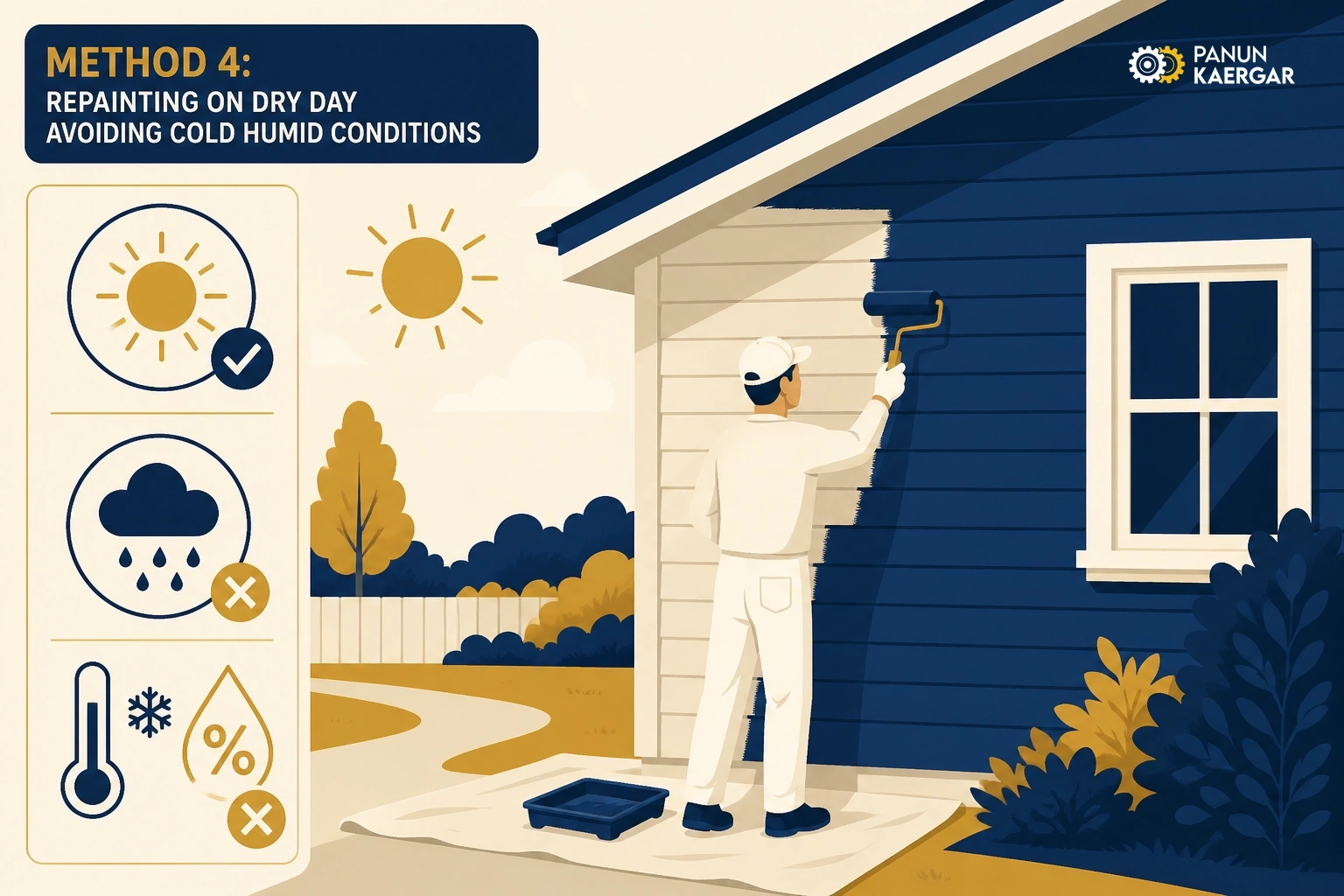
Repaint in suitable conditions
Best for: finish work
Avoid very cold, humid, or dusty application days.
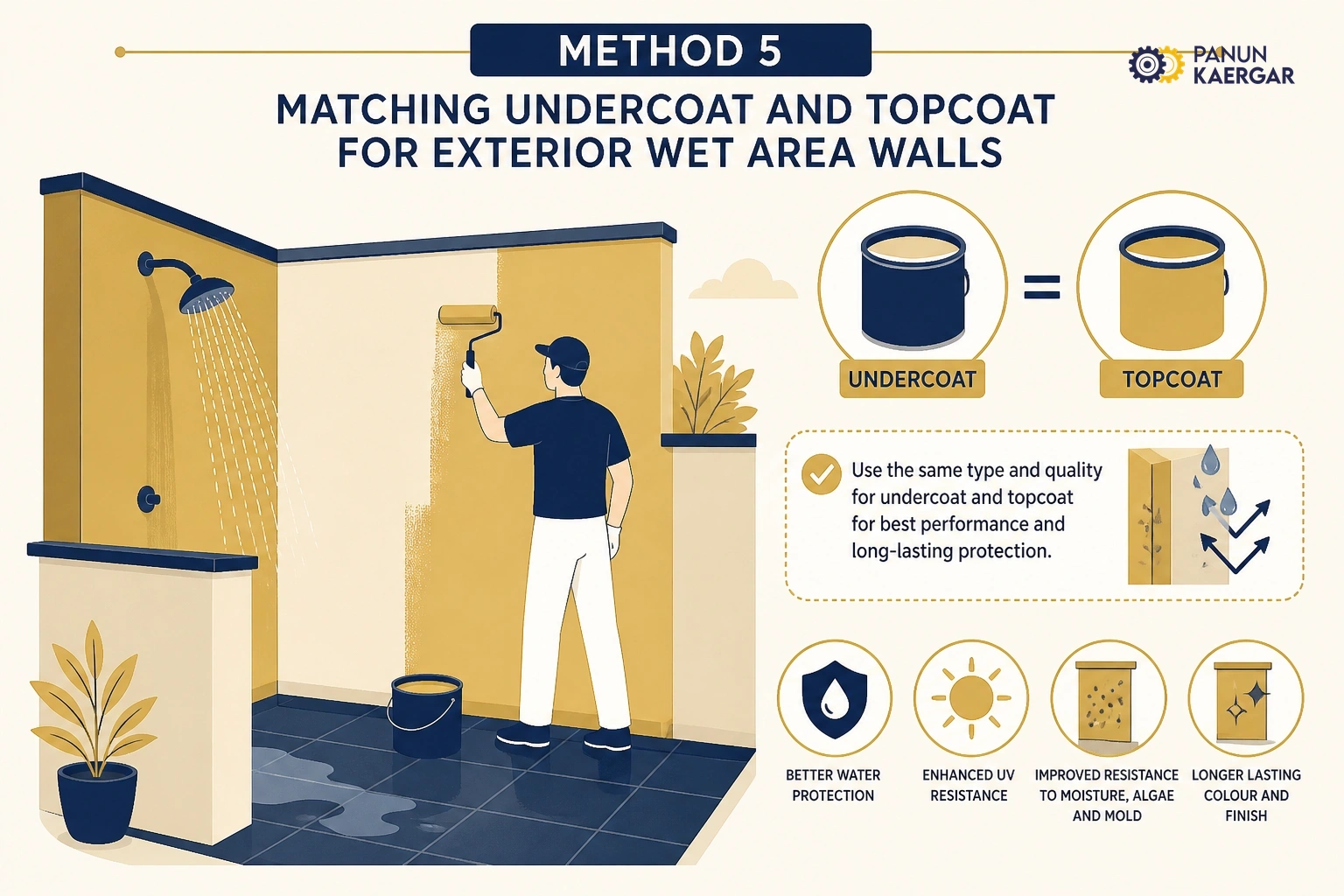
Use compatible systems
Best for: exterior or wet areas
Match undercoat and topcoat to the location.
Take one clear photo before taking anything apart. It helps a professional see the pattern and saves guesswork.
Kashmir home note
Freeze-thaw, interior heat, and exterior damp make paint adhesion a seasonal test in Kashmir. Peeling is usually a preparation or moisture story, not bad luck.
What not to do
These shortcuts usually cost more than they save.
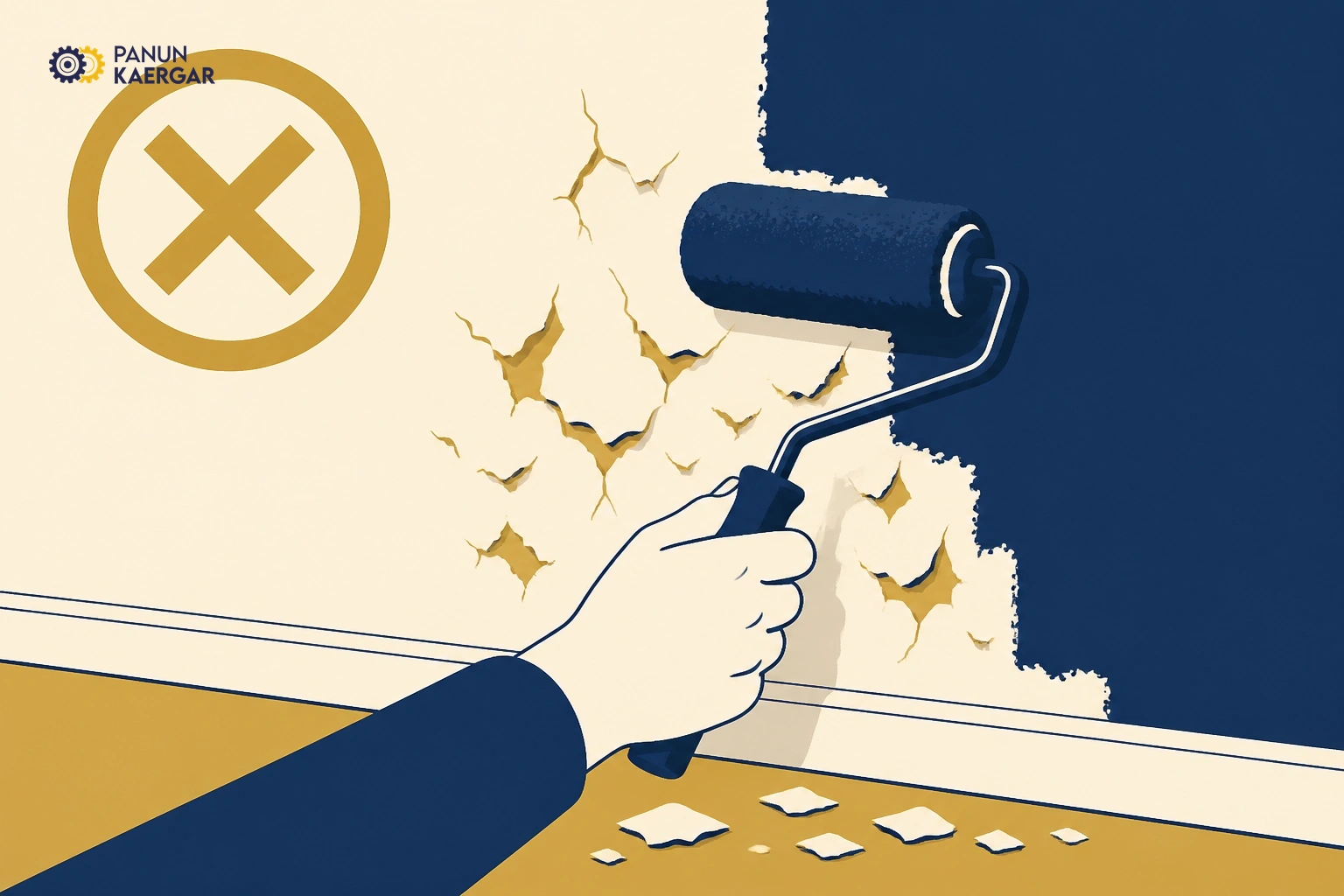
Glue flakes down with fresh paint
New coat peels with the old
Rolling over lifting flakes traps air and moisture; adhesion fails again.
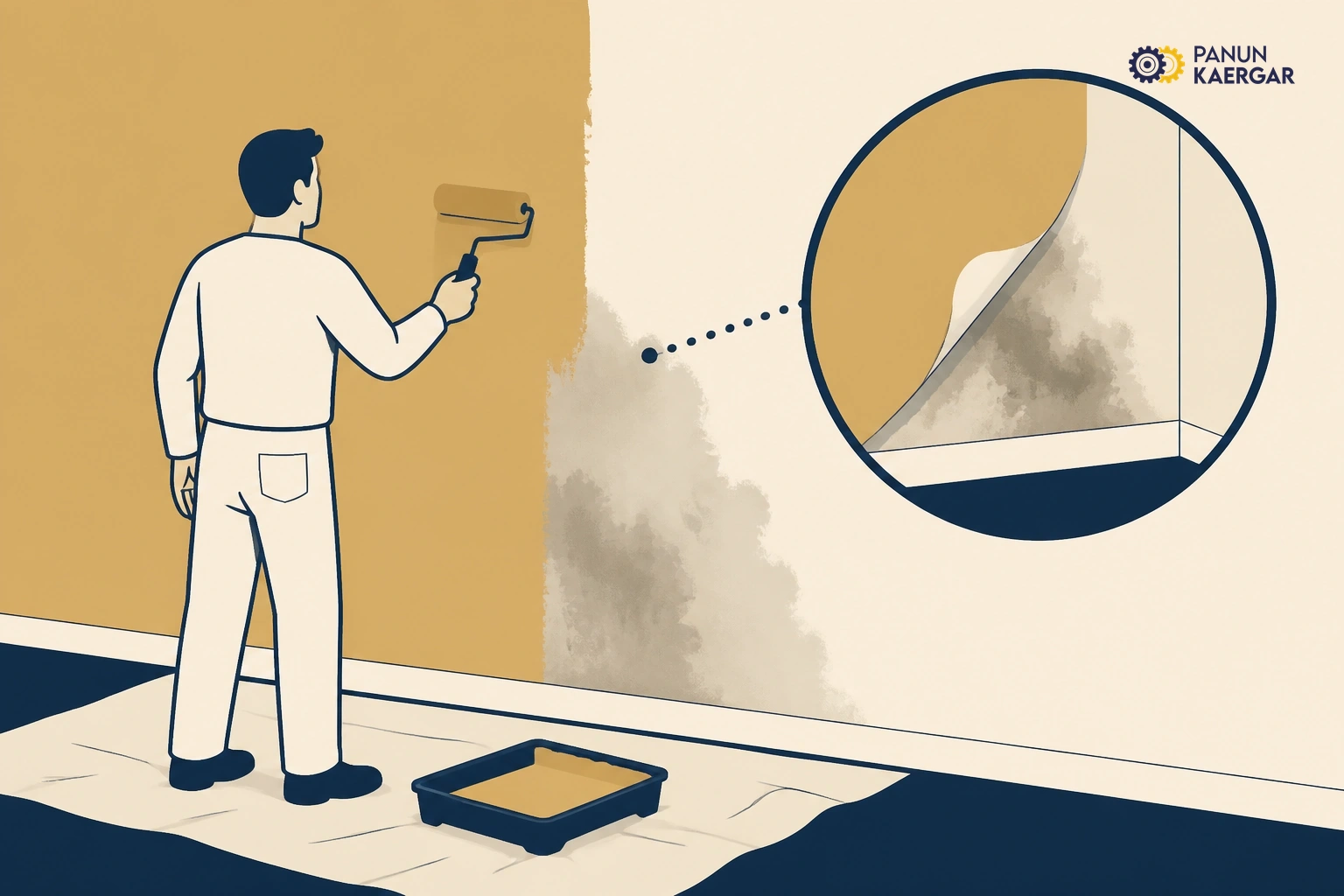
Ignore damp behind the wall
Peel returns next winter
Moisture from a leak or cold wall will push through any new topcoat.
Pressure-wash interior peeling areas
Soaks room and damages plaster
High-pressure water indoors floods floors and forces moisture deeper into walls.
Keep it from returning
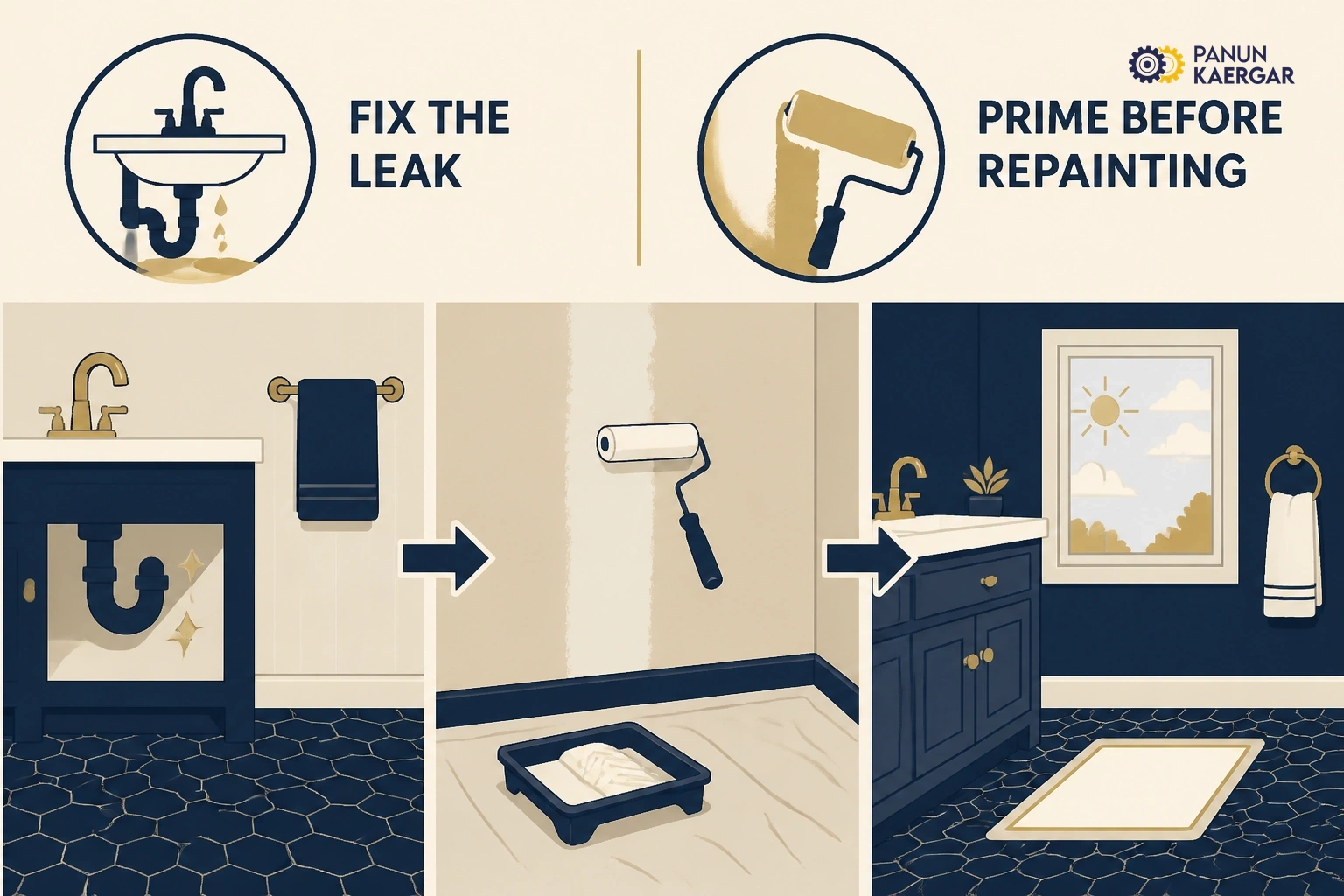
Fix the small trigger, keep the area clean and dry where relevant, and deal with repeat symptoms before they become a replacement job.
When to book a professional
Book a painter after the moisture source is fixed, or urgently if peeling follows a ceiling leak, mould, or large exterior failure.
FAQs
What is the first check for why paint peels in kashmir homes — and what to do next?
Remove loose flakes back to a firm edge; do not rip good paint.
Can I keep using it?
Only if there is no safety risk or spreading damage. Stop when the symptom worsens.
Why did this start suddenly?
A change in load, moisture, wear, cleaning product, or season often exposes a weak point.
Will a temporary fix last?
It can buy time, but repeat symptoms need the cause corrected.
When should I book help?
Book a painter after the moisture source is fixed, or urgently if peeling follows a ceiling leak, mould, or large exterior failure.