
A sliding window starts scraping just as rain comes sideways. It is tempting to pull harder; usually the track is asking for cleaning, not a wrestling match.
Aluminium sliders should move on rollers, drain rain through small weep holes and seal when shut. Grit, blocked drainage and worn hardware interrupt all three. Start with the parts you can see; a tilted panel, cracked glass or loose frame is professional work.
Vacuum the track, clear visible drain holes gently, inspect seals and then use a window-safe dry silicone lubricant sparingly. Never force a jammed panel. Cracked glass, a loose frame, failed lock or continuing leak needs an aluminium-and-glass professional.
Quick diagnosis map
Match the symptom before you buy oil or blame the glass.
| What you notice | Likely reason | First move |
|---|---|---|
| Panel drags or grinds | Grit, a worn roller or misalignment | Vacuum the lower track |
| Water on the sill | Blocked drain holes, seals or exterior entry | Clear visible weeps; watch the water path |
| Panel rocks or will not lock | Roller, frame or lock fault | Stop forcing it; book adjustment |
Do not force a jammed panel, drill random holes, remove a large sash alone or use thick grease in the track. Stop immediately for cracked glass or a loose panel.
What normally goes wrong
- Track grit: dust and grit turn rollers into sliders.
- Blocked weep holes: rainwater cannot leave the frame.
- Worn rollers: the panel drags, drops or rocks.
- Flattened seals: wind-driven rain or drafts pass the closure.
- Frame movement: alignment problems need more than lubrication.
Methods that actually help — try them in order
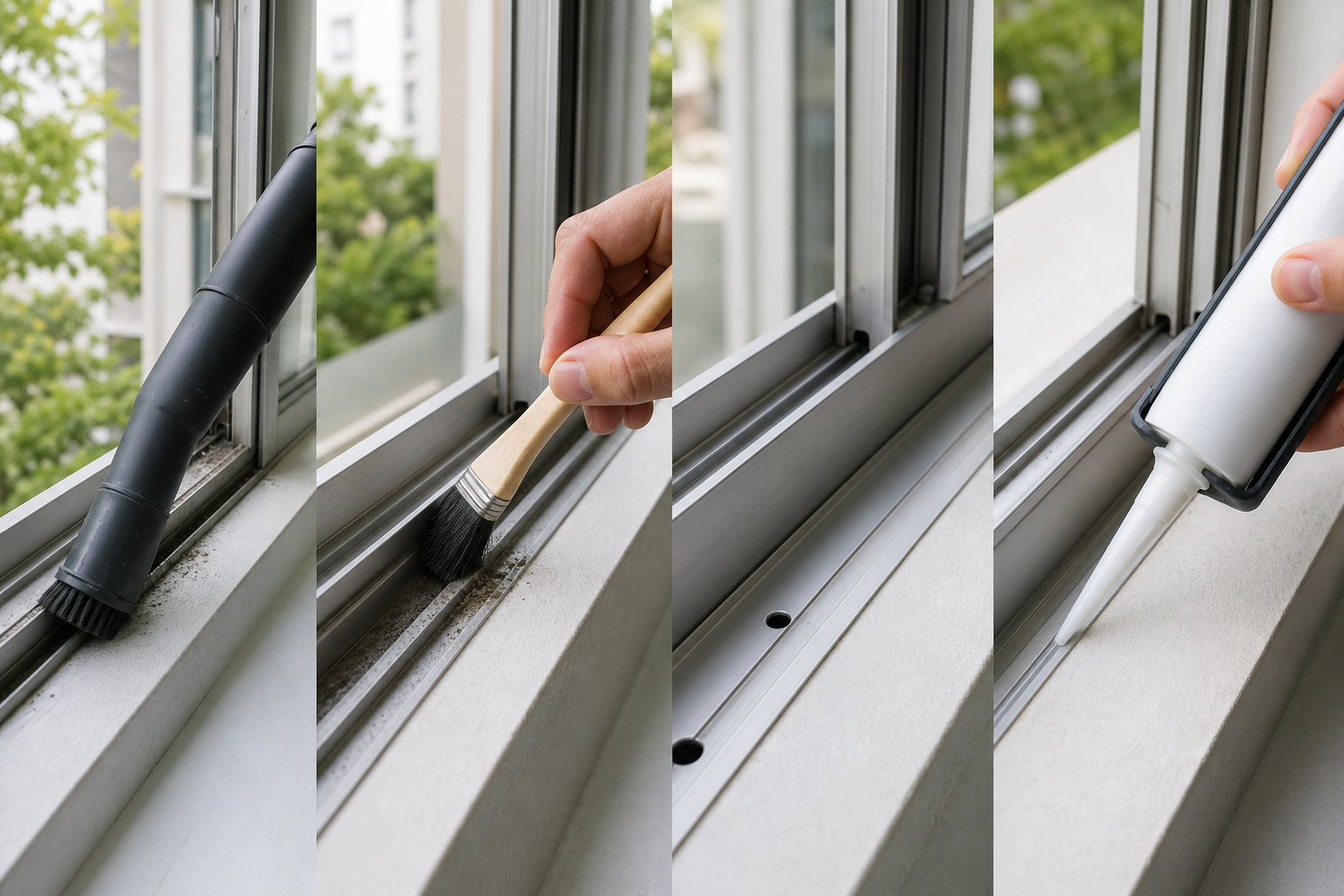
Vacuum and brush the track
Best for: a dragging panel
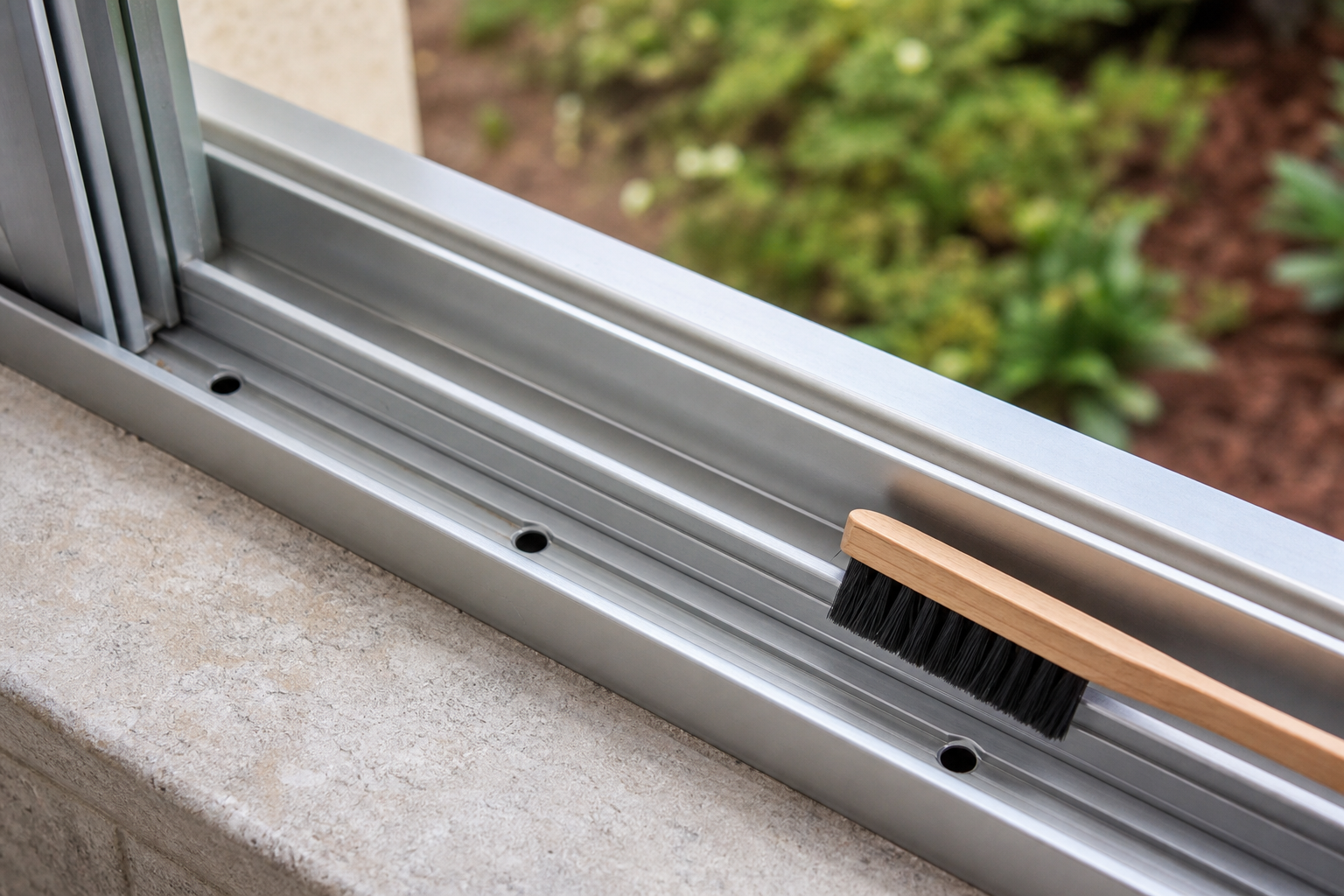
Open the panel only as far as it moves safely. Vacuum loose grit, use a soft brush in corners and wipe with a barely damp cloth. Avoid flooding the channel.
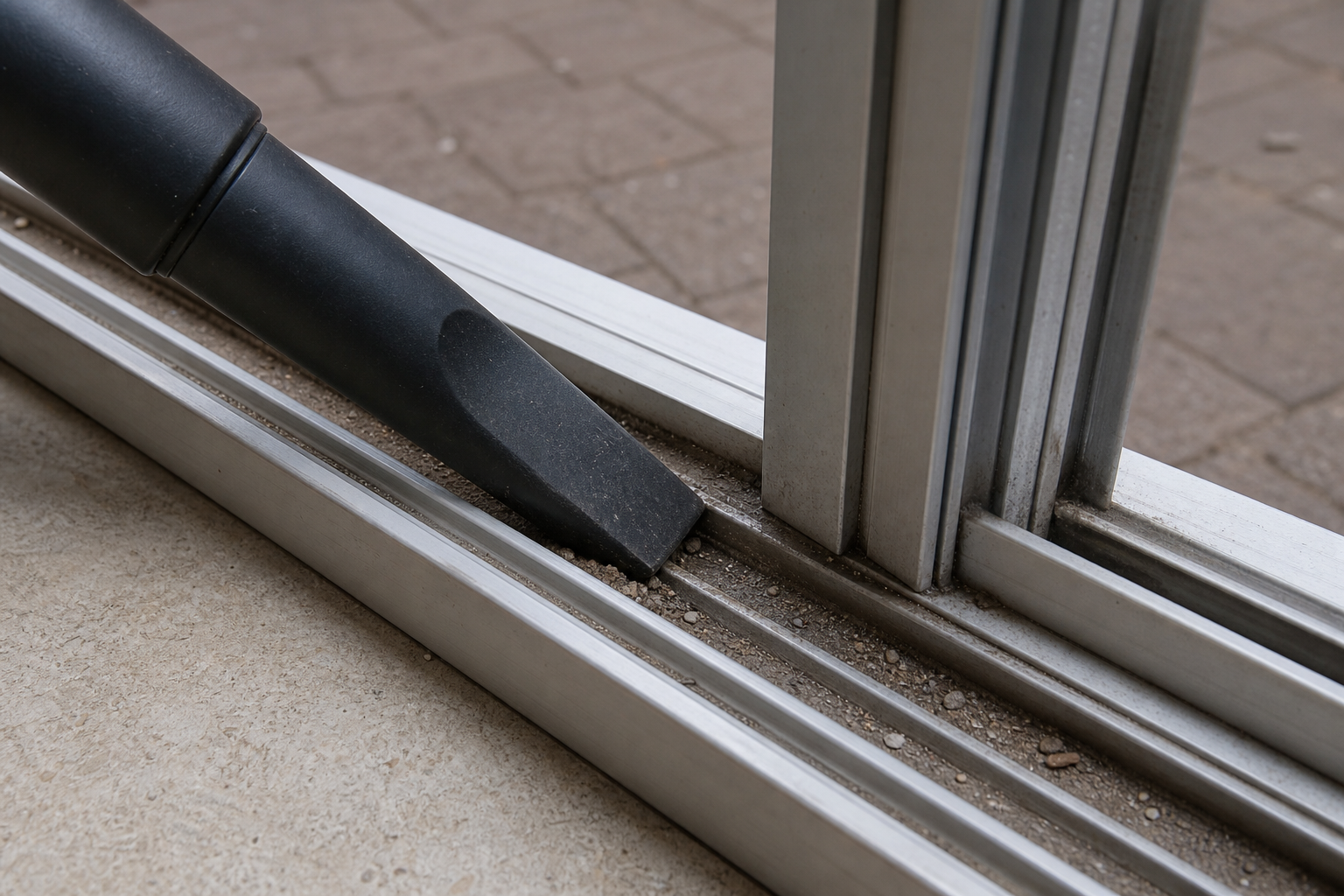
Find weep holes
Best for: rainwater in the frame
Find the small slots or holes on the outer side of the bottom frame. Clear loose dirt with a soft brush; do not drill, enlarge or push wire into hidden channels.
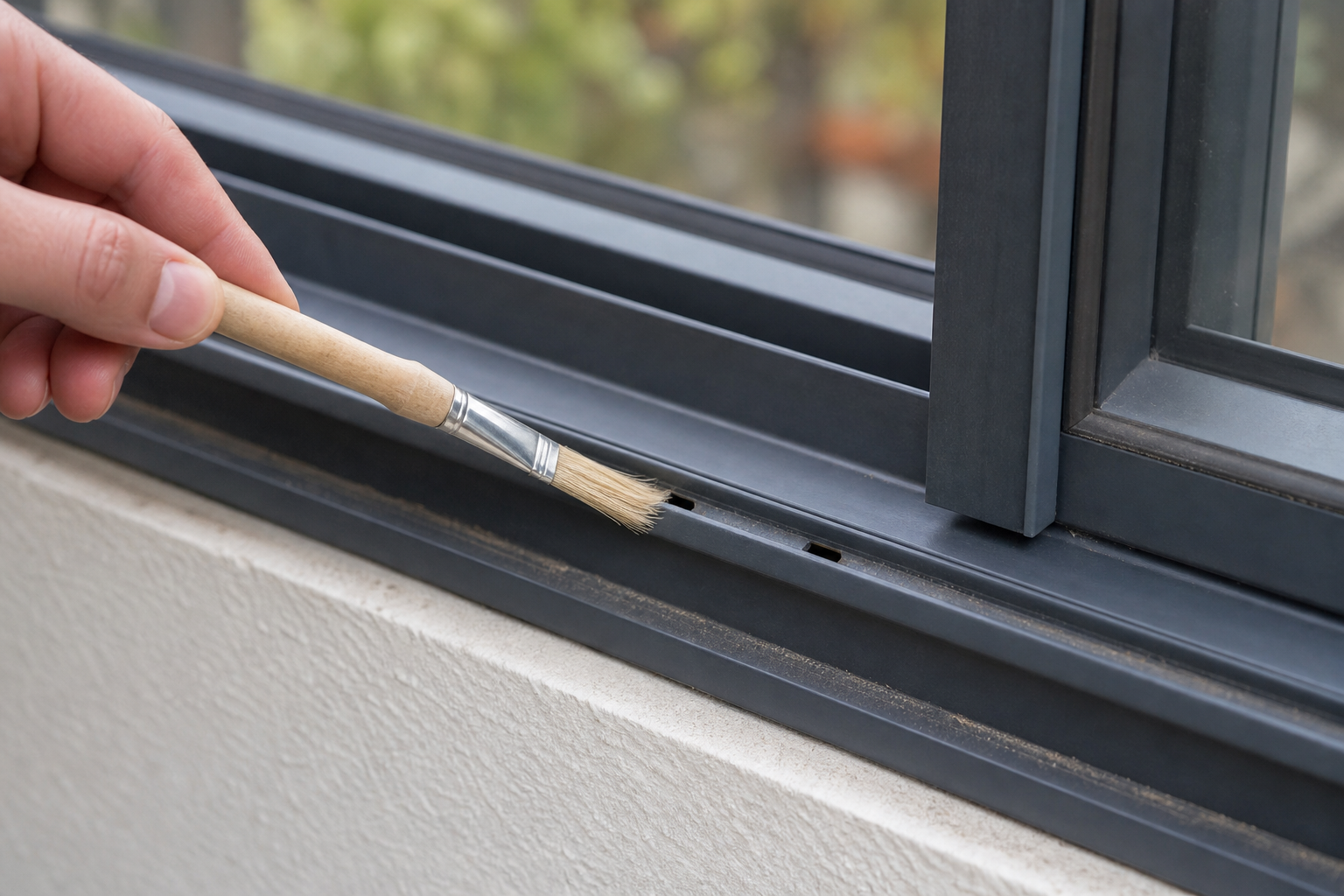
Inspect rollers, seals and the close
Best for: draught or leak
With the window closed, look for flattened rubber, a gap at a corner, wobble or a panel that sits low. Note it; do not prise glass or remove the sash to investigate.
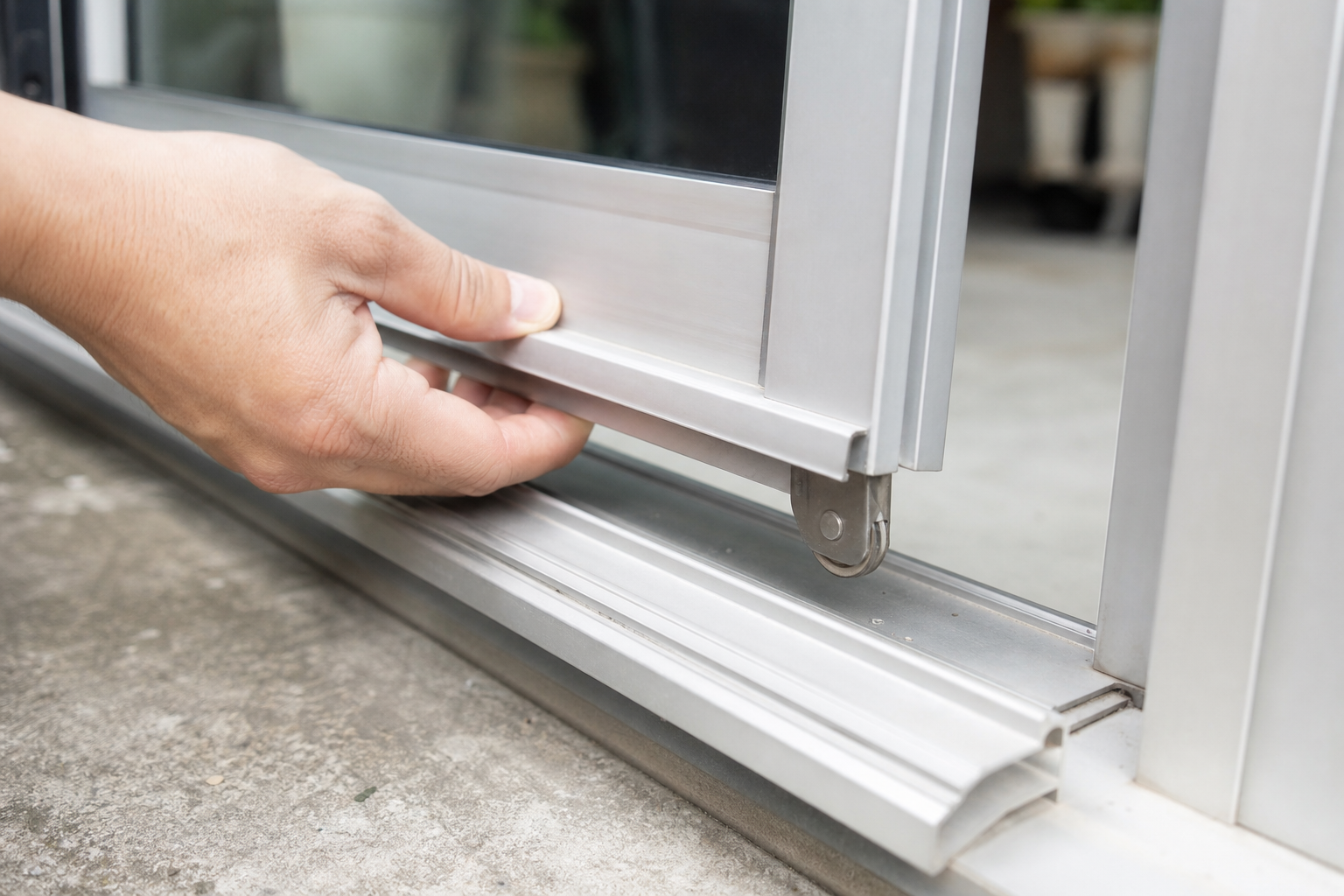
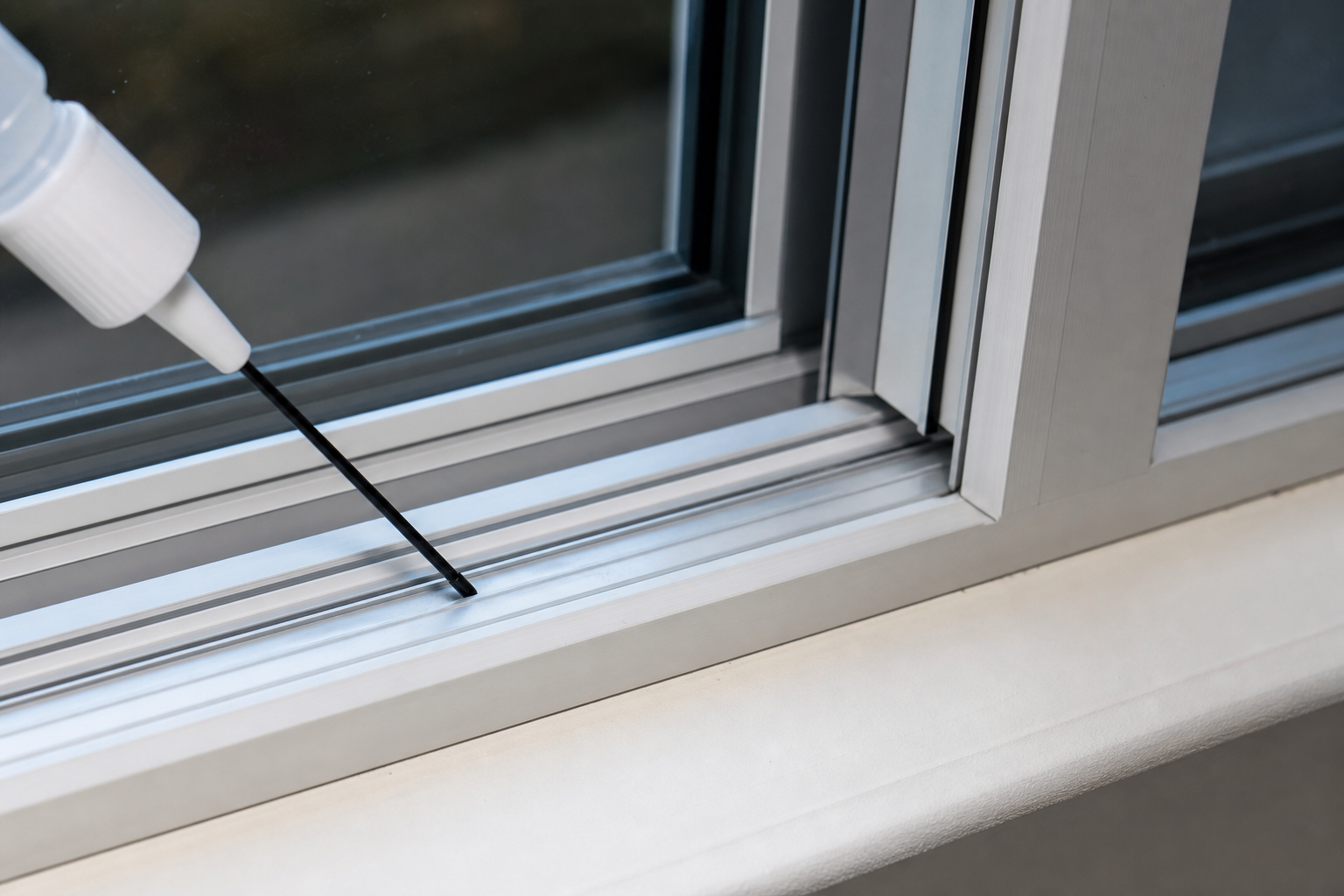
Use dry silicone sparingly
Best for: clean but sticky tracks
Only after cleaning, use a small amount of dry silicone product made for window tracks. Wipe away excess and slide the panel slowly. Thick oils collect dust and can block drains.
Have rollers adjusted
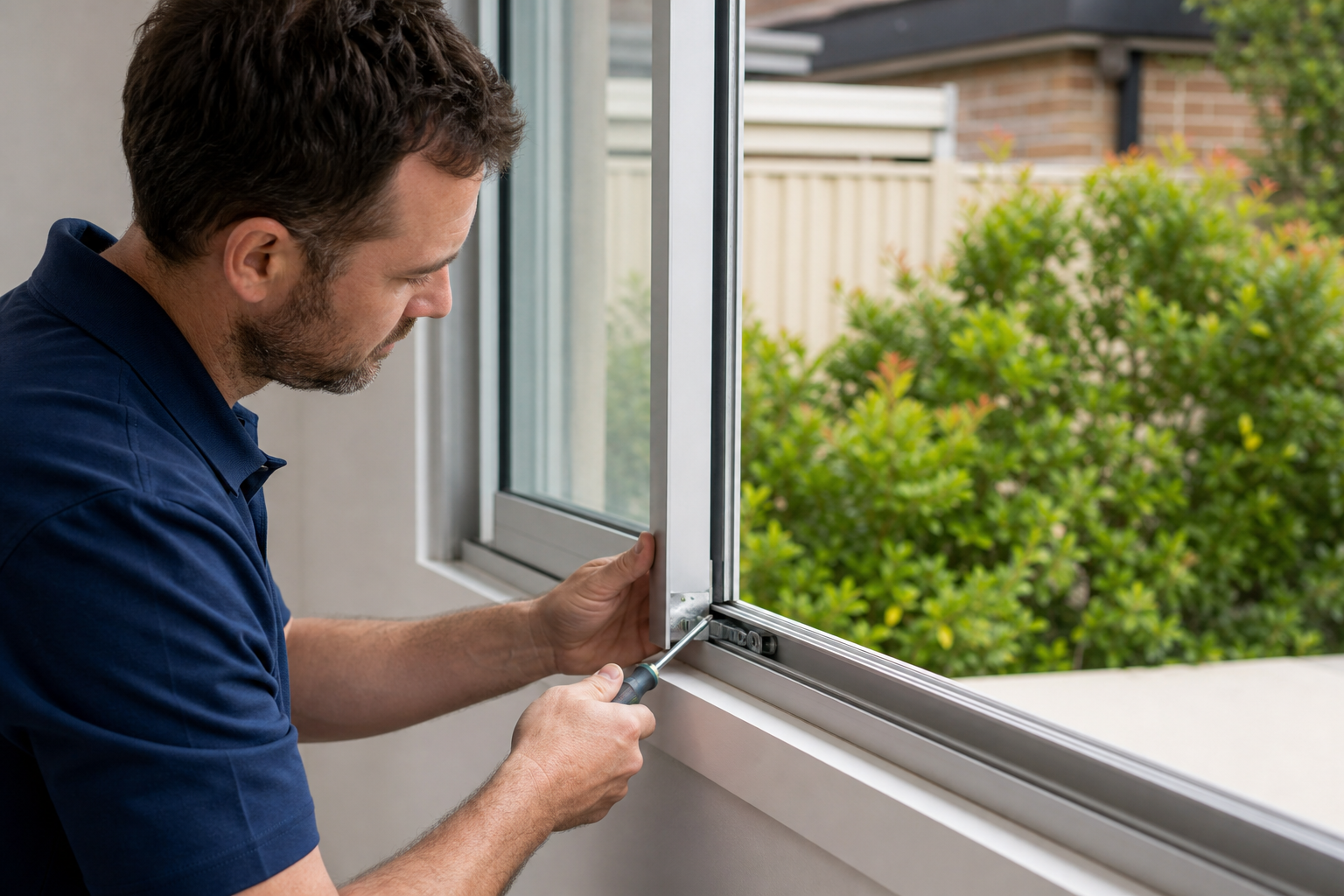
Best for: persistent scraping
A professional can adjust or replace rollers and align the panel without stressing glass. Tell them whether the trouble is dragging, leakage, a draft or a failed lock.
Leaks, drafts and locks
Water appears only during rain
Clear weep holes first, then check whether water is entering from above, a damaged exterior seal or a crack. A sill puddle is not proof that the track itself is the entry point.
The panel moves but will not lock
Do not slam it. A dropped roller or frame shift can stop the latch meeting its keeper; book adjustment.
Panel drags every winter
Cold can stiffen seals and thicken residue in the track. Clean first, then use a suitable dry silicone sparingly — not heavy grease.
Photograph the lower track, weep holes and closed-panel gaps before a visit. Those three images often explain whether the job is cleaning, hardware or sealing.
Please don’t do this
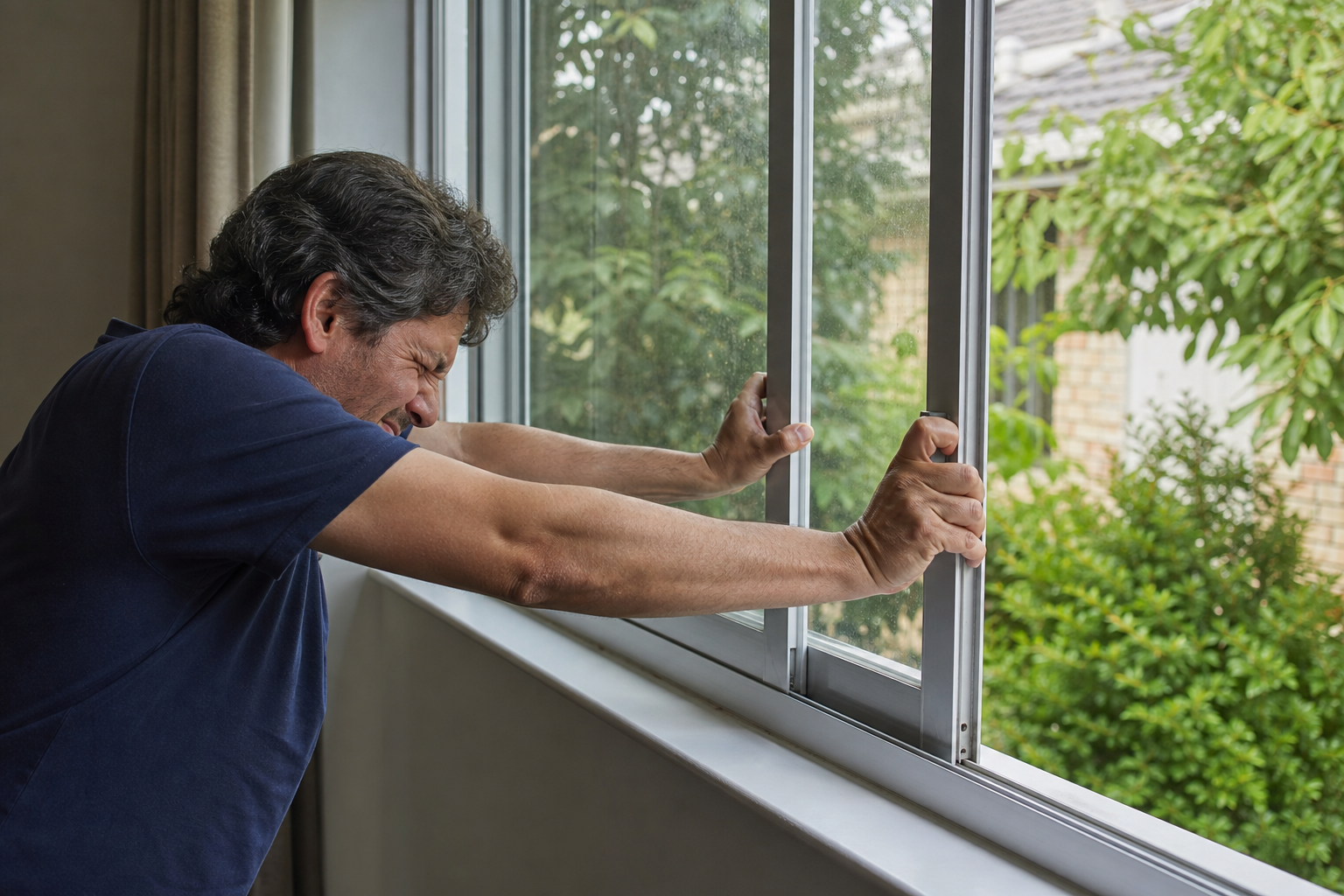
Force a stuck panel
Excess force can bend the frame, damage rollers or break glass.
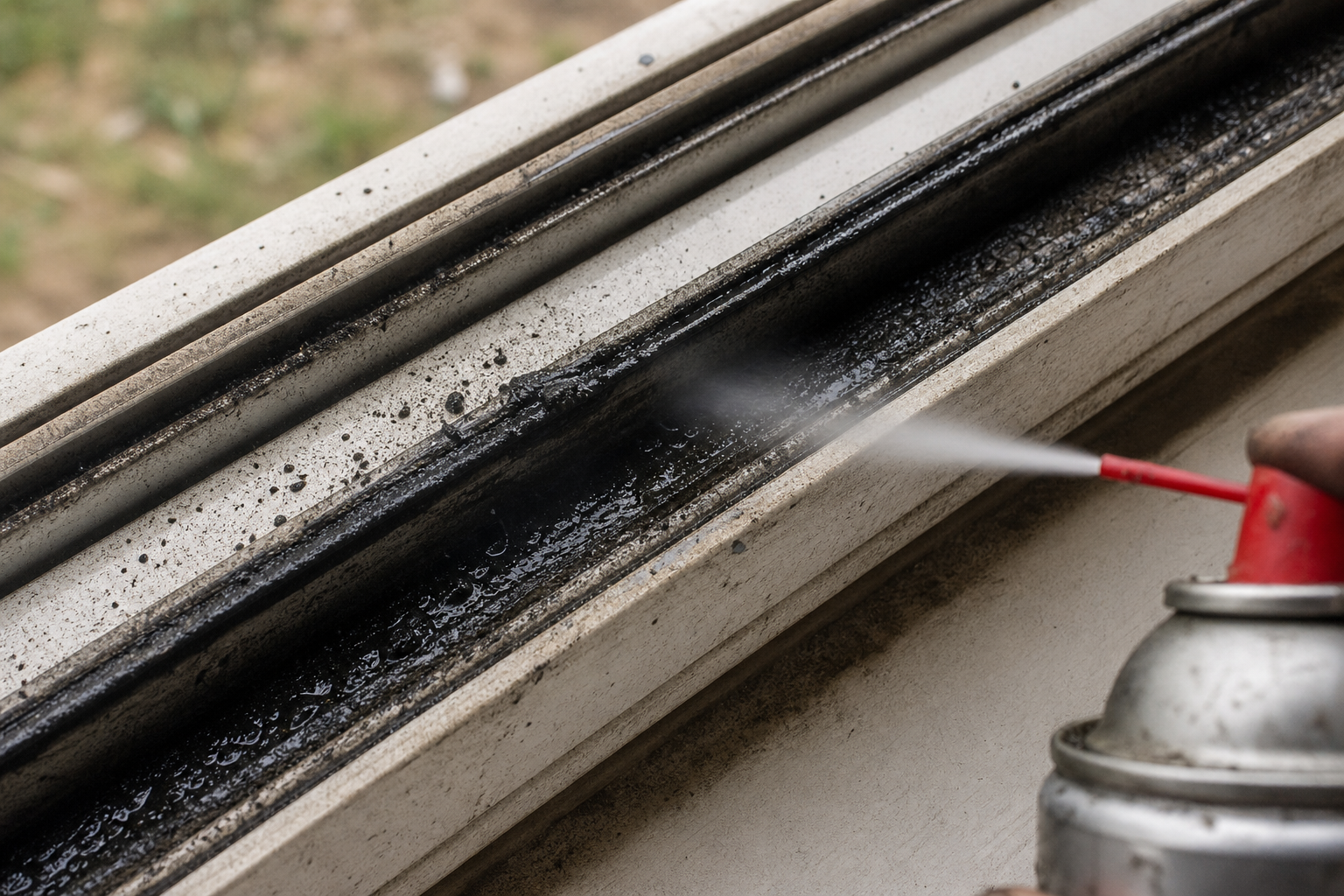
Use heavy oil or grease
It catches dust, thickens in cold weather and creates another blockage.
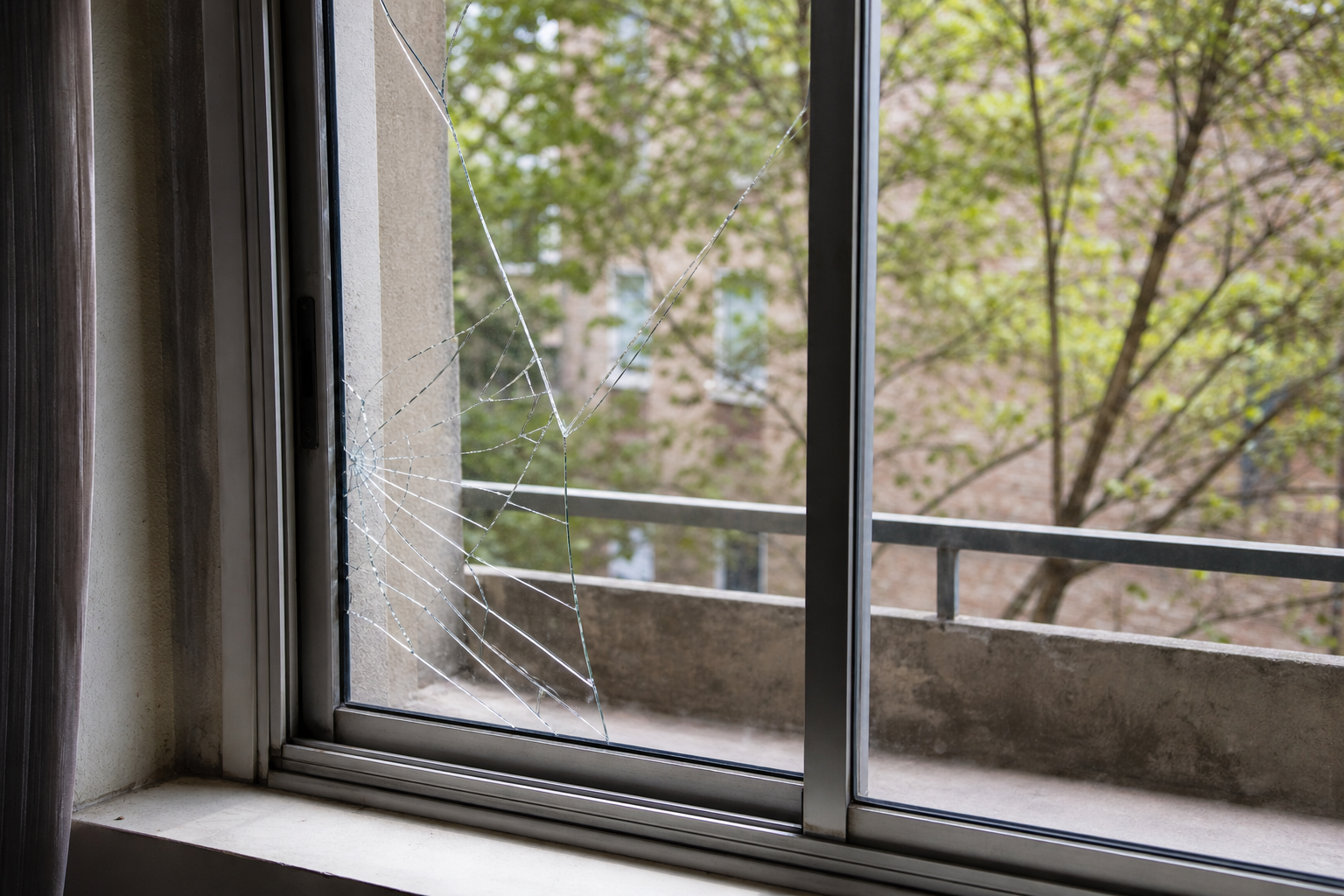
Keep using cracked glass or a loose sash
Secure the area and arrange repair; this is not a track-cleaning task.
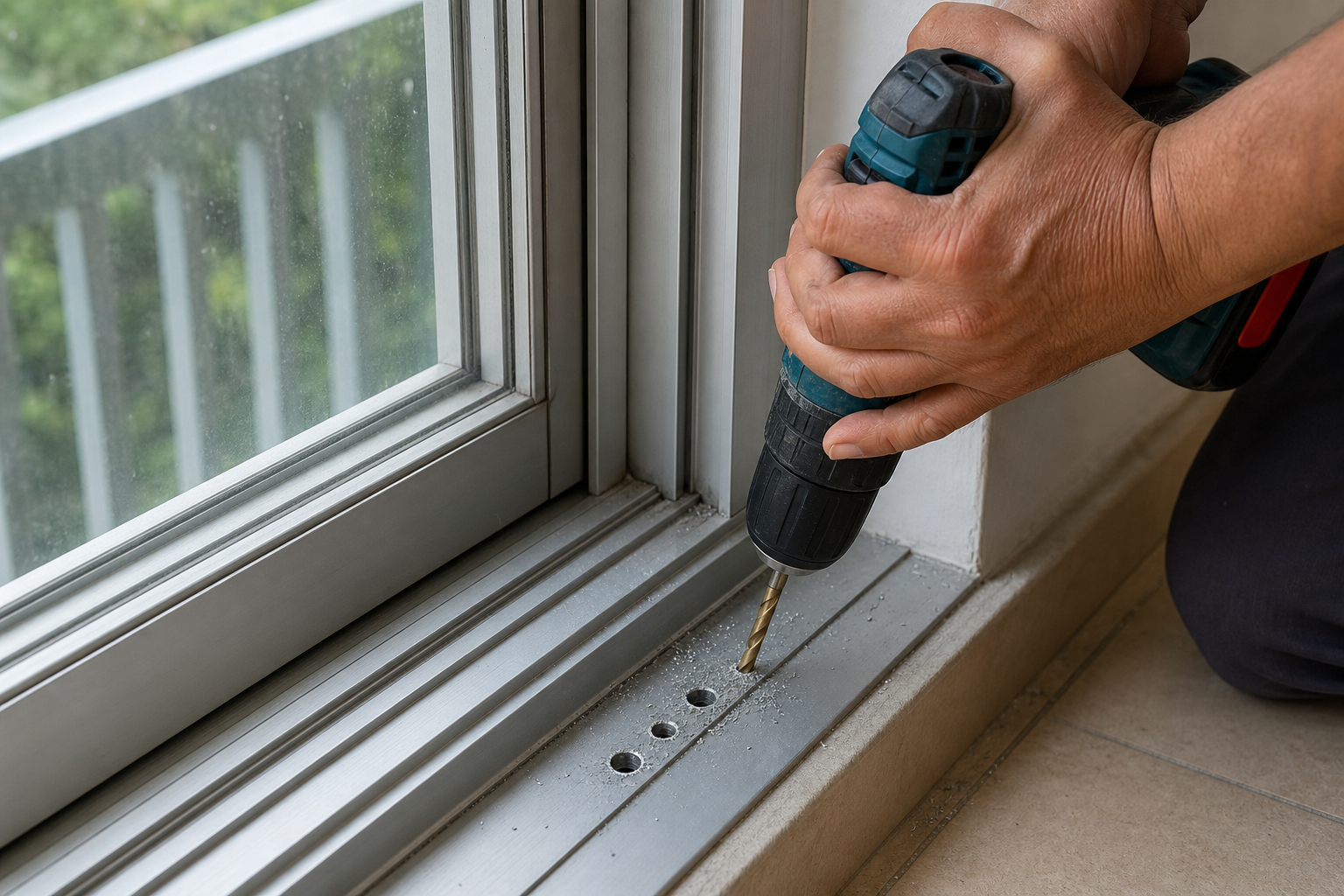
Drill extra drain holes
Random holes weaken the frame and can create new leak paths. Use only the manufacturer’s drainage route.
Keep it from returning
When to book help
Book an aluminium-and-glass professional for cracked glass, a loose or dropped panel, frame movement, persistent leakage after the drains are clear, failed locks, damaged seals or rollers that need adjustment.
FAQs
What lubricant is safe for aluminium window tracks?
Use a window-safe dry silicone product sparingly after cleaning. Avoid thick oils and grease.
Why is rainwater on my sill?
Blocked weep holes are common, but water can also enter from a failed seal, crack or the wall above the window.
Can I lift the panel out myself?
Not unless you know the system and can safely handle the glass. Large panels are heavy and can be damaged or fall.
Should I drill more drain holes?
No. Use only the manufacturer’s drainage route; drilling can weaken the frame and make leaks worse.
When is a stuck window urgent?
When it is an emergency exit, has cracked glass, is loose, cannot lock, or lets significant water into the room.