
A fine line appears above a bedroom window after a long wet spell. It is tempting to call it either “only paint” or “a disaster.” The useful answer comes from its pattern, whether it is changing, and what else around the room has moved.
Most hairline cracks live in paint or plaster and are a cosmetic repair once the wall is dry and stable. A crack that is wide, diagonal, newly growing, paired with a sticking door, a bulge, dampness, or a sagging ceiling needs an assessment before anybody fills it.
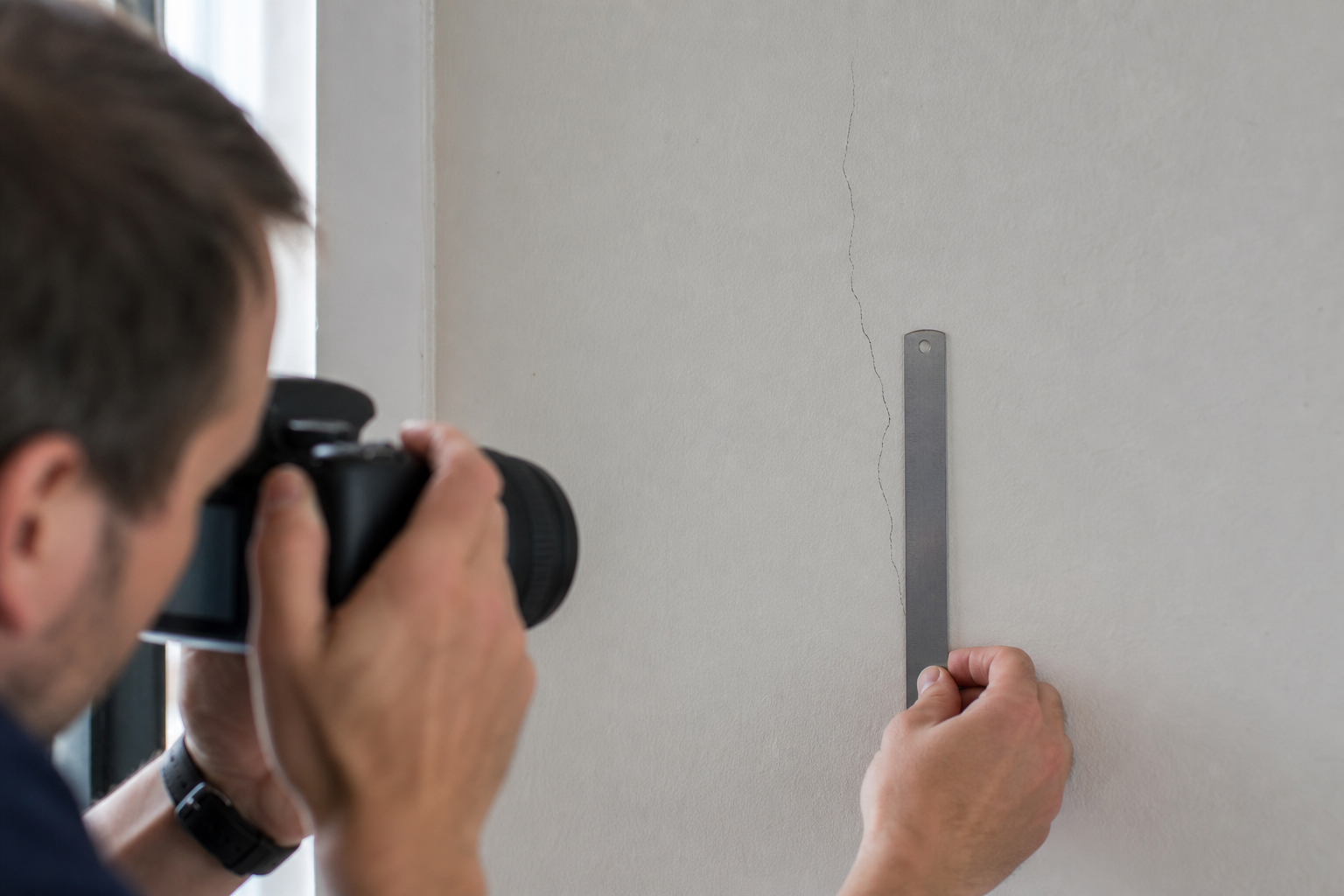
Photograph the crack with a ruler, date it, and check for change over a few weeks. Hairline surface cracks that stay put are usually a plaster job. Wide, stepped, diagonal, displaced, damp, or growing cracks are not a paint-only job: book a qualified mason, and use a structural engineer where movement is suspected.
Quick diagnosis map
Look at the line and the wall around it before deciding what to buy.
| What you see | Often points to | First move |
|---|---|---|
| Fine random line in paint or skim coat | Drying or minor surface movement | Photograph, date, and monitor before filling |
| Crack wider than a hairline, or getting longer | Ongoing movement or failed plaster | Measure and arrange an inspection |
| Diagonal crack from a door or window corner | Movement around an opening or lintel | Check for other clues; do not hide it first |
| Stepped crack through brick or block joints | Masonry movement | Book a masonry assessment promptly |
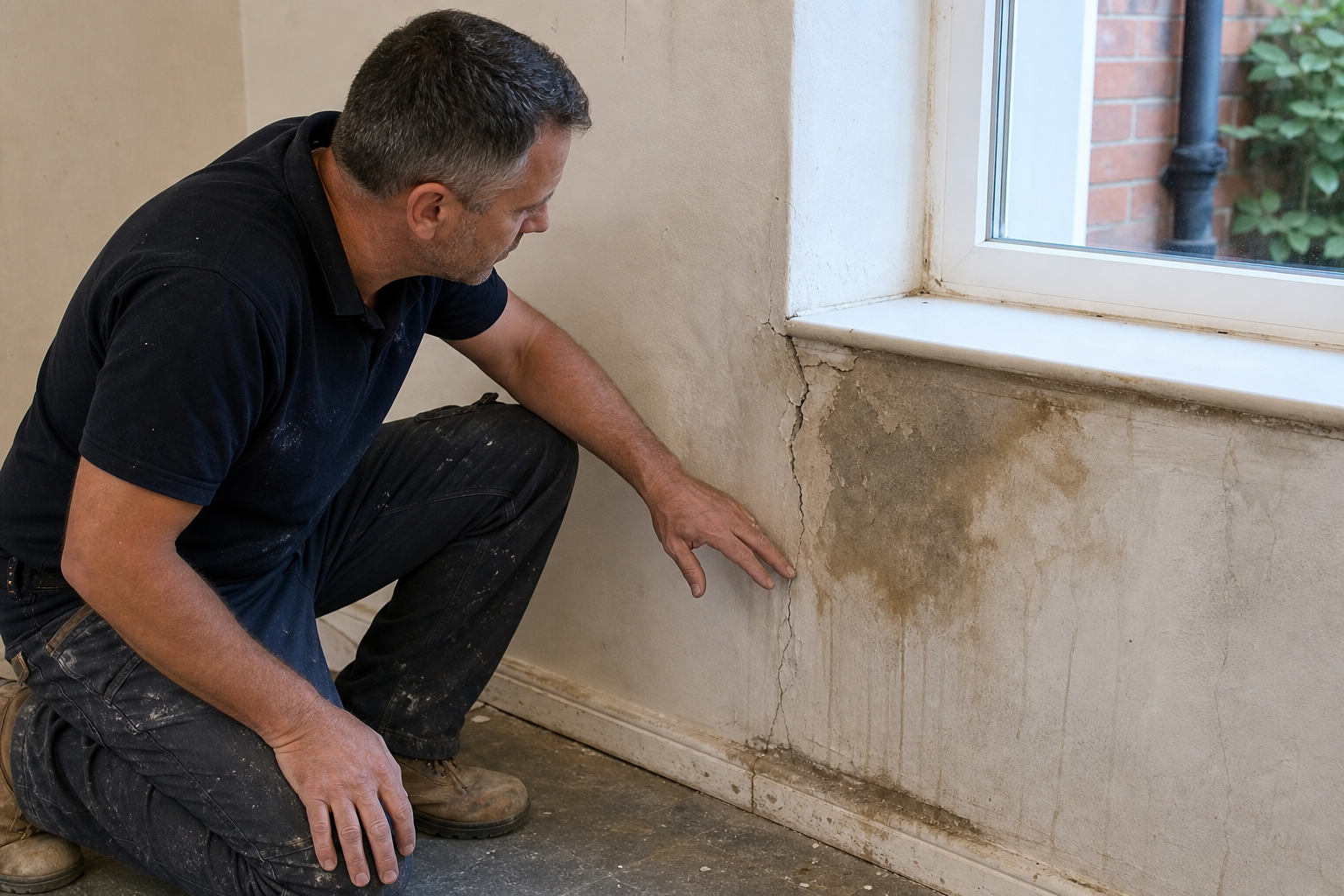
| Crack with damp, peeling paint, or mould | Water entry or plumbing leak | Find and stop moisture before repairs |
| Ceiling crack, bow, bulge, or loose material | Possible safety issue | Keep clear and seek urgent professional advice |
Leave the area alone and get urgent help for a sagging or bulging wall/ceiling, loose masonry, a sudden large crack, a crack after an impact or shaking event, or a crack near wet electrical points.
What wall cracks can mean
A crack is a symptom, not a diagnosis. Common causes include:
- Surface shrinkage: paint, filler, and plaster can crack as they dry or age.
- Seasonal movement: materials expand, contract, and respond to temperature and humidity changes.
- Moisture: a roof leak, pipe leak, poor drainage, or rain entry softens finishes and can worsen movement.
- Movement around openings: doors, windows, lintels, and corners concentrate stress.
- Building movement: settlement, altered loads, or failed masonry need proper assessment—not a thicker coat of putty.
Methods that help — in this order
Start with evidence. Filling a crack before you know whether it is active only makes the next inspection harder.

Photograph, measure, and date it
Best for: every new crack that is not an immediate safety concern
- Place a ruler beside the widest point and take a well-lit photo.
- Take one wider photo showing the wall, door, or window around it.
- Write the date and location down; repeat from the same angle in two to four weeks.
Read the width and direction
Best for: separating a surface line from a concerning pattern
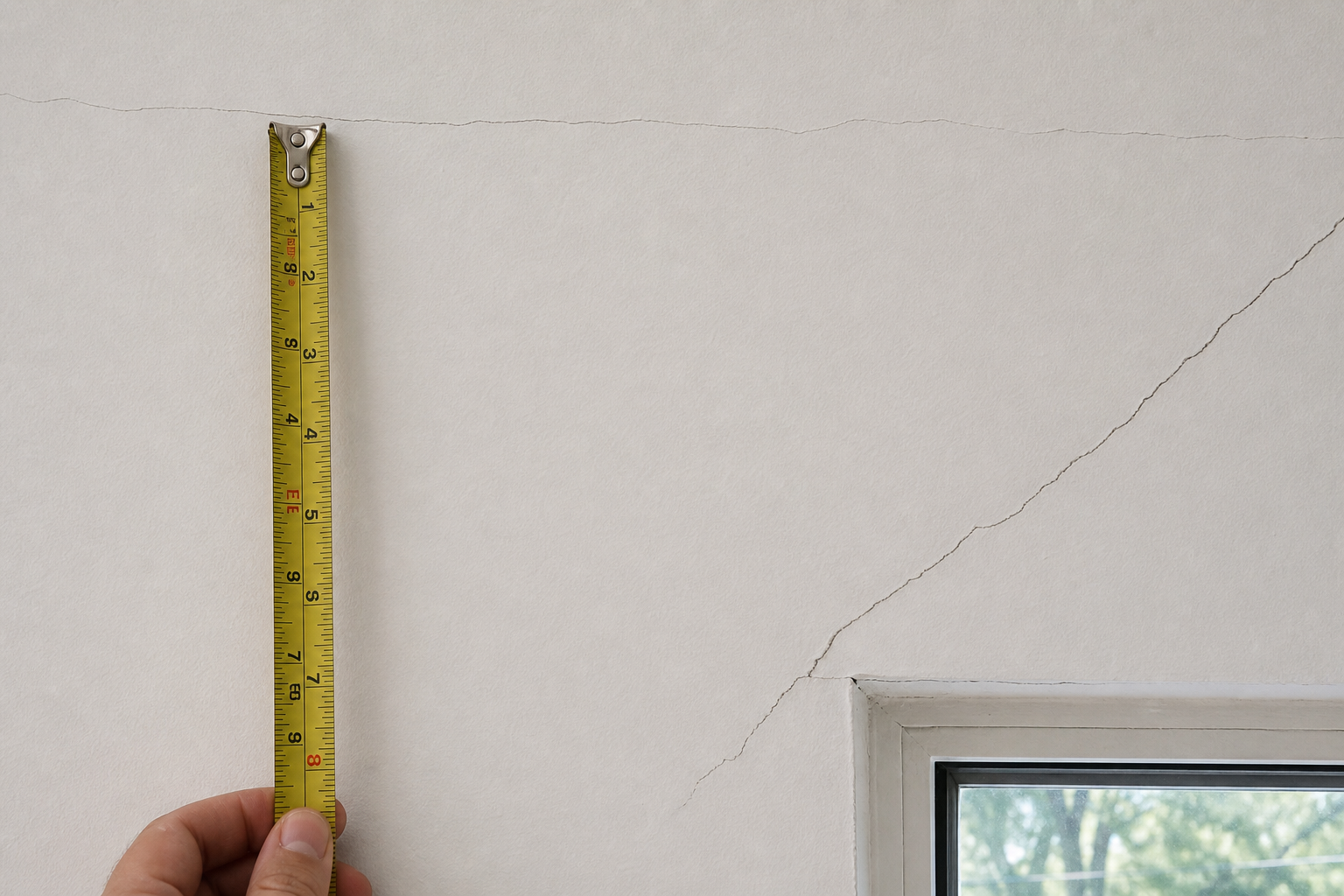
- Hairline, irregular cracks only in the finish are commonly cosmetic.
- Note whether the crack is vertical, horizontal, diagonal, or steps along masonry joints.
- Pay extra attention to cracks that start at corners of doors and windows or are wide enough to catch a fingernail.
Look for matching clues
Best for: deciding whether the wall may be moving
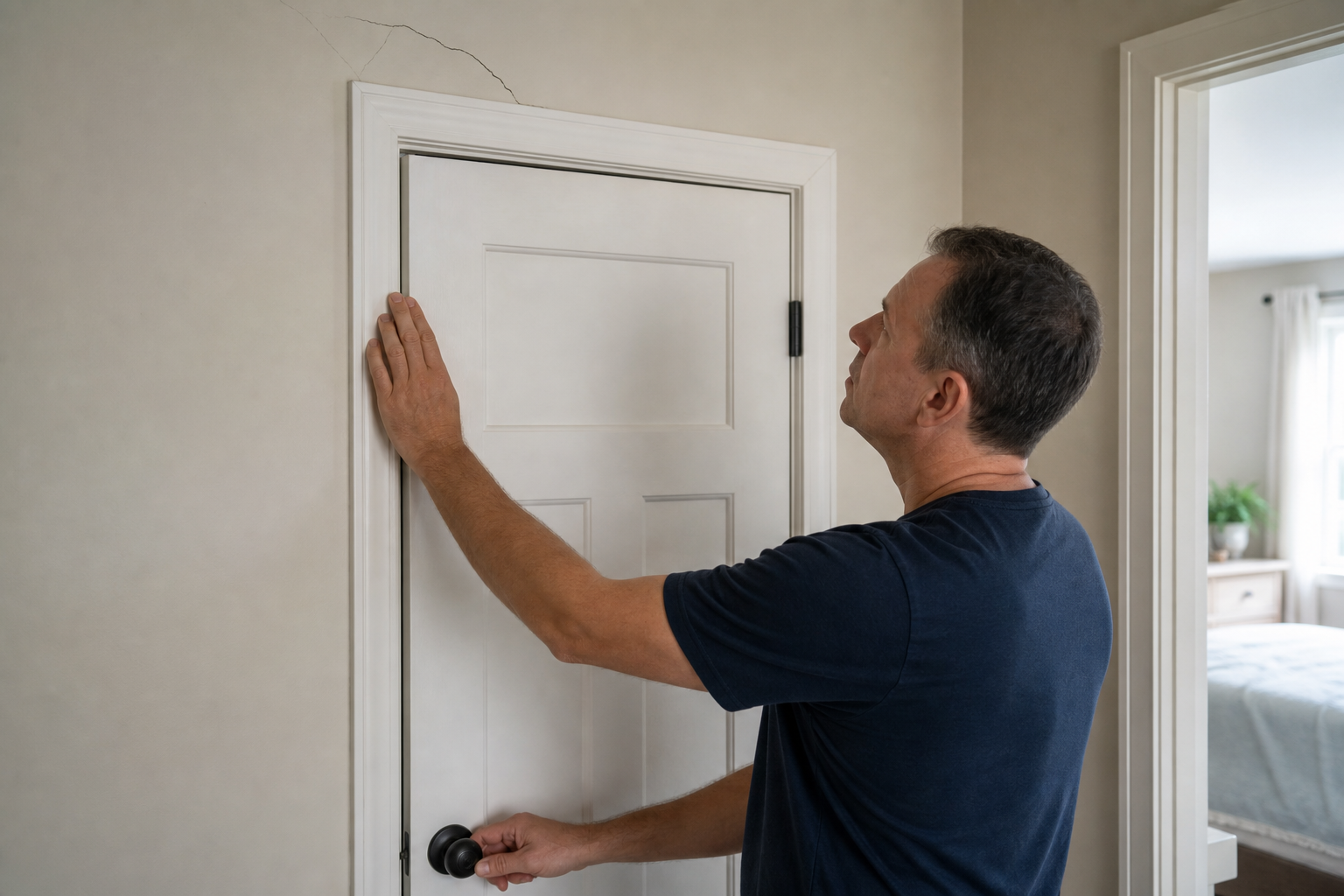
- Check whether nearby doors or windows now stick, gaps have appeared, or skirting has separated.
- Look on the other side of the wall where safely accessible.
- Note whether there are multiple new cracks on the same level of the building.
Fix water entry before cosmetic work
Best for: cracks with damp, stains, or peeling finish
- Trace likely sources: plumbing above, rain around openings, roof leaks, or drainage outside.
- Repair the source and allow the wall to dry fully.
- Only then ask a mason to remove loose material and repair the finish.
Get the right assessment before filling
Best for: wide, growing, diagonal, stepped, or displaced cracks
- Share dated photos and your notes with a qualified mason.
- Ask whether the issue is finish-only, masonry repair, or needs an engineer.
- Do not accept “just fill it” as the whole answer if movement or moisture remains unexplained.

Patterns that change the answer
Hairline cracks after painting or plastering
Fine surface crazing often comes from drying and is usually repaired after the finish has settled. Monitor it first if it is new.
Cracks around doors and windows
A diagonal line at an opening can be a harmless finish crack, but it deserves closer attention when it widens, repeats outside, or comes with sticking frames.
Stepped cracks in brick or blockwork
These follow masonry joints rather than only the finish. Book a mason promptly and seek engineering advice if the pattern is active or substantial.
Cracks with dampness
Water can be both the cause and the amplifier. Drying, leak repair, and drainage come before plaster.
Please do not do this
These shortcuts hide the evidence or make a small repair harder.
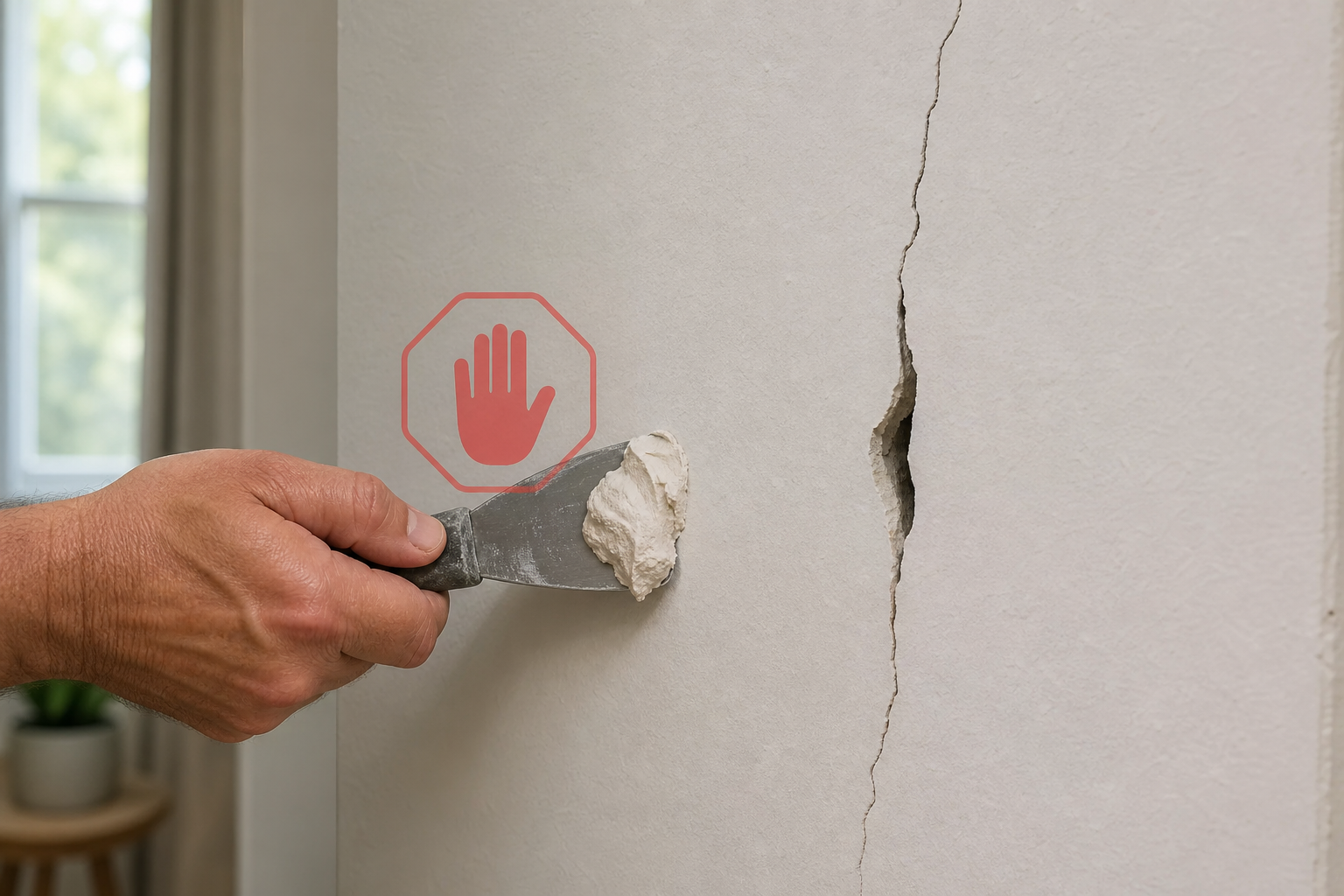
Fill a growing crack and call it solved
A filler line cannot prove the wall is stable
Record change first. If it reopens quickly, wider work is needed.
Chisel an active crack open yourself
You can remove evidence and damage an already weak finish
Let the person diagnosing the wall decide what needs opening.

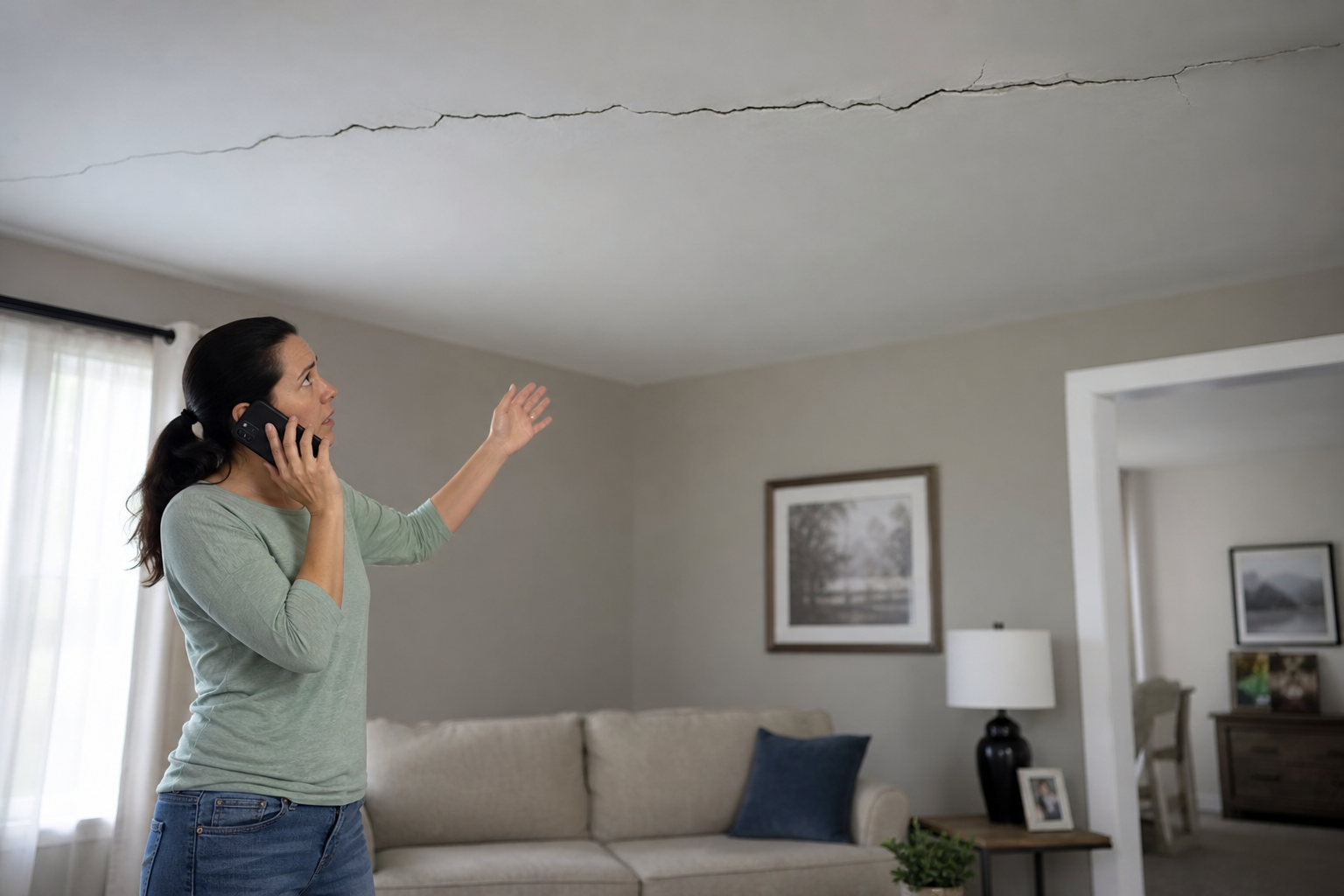
Ignore a ceiling crack or bulge
Ceilings have a different risk level
Keep people and furniture clear underneath and arrange urgent help if material is loose or the ceiling is sagging.
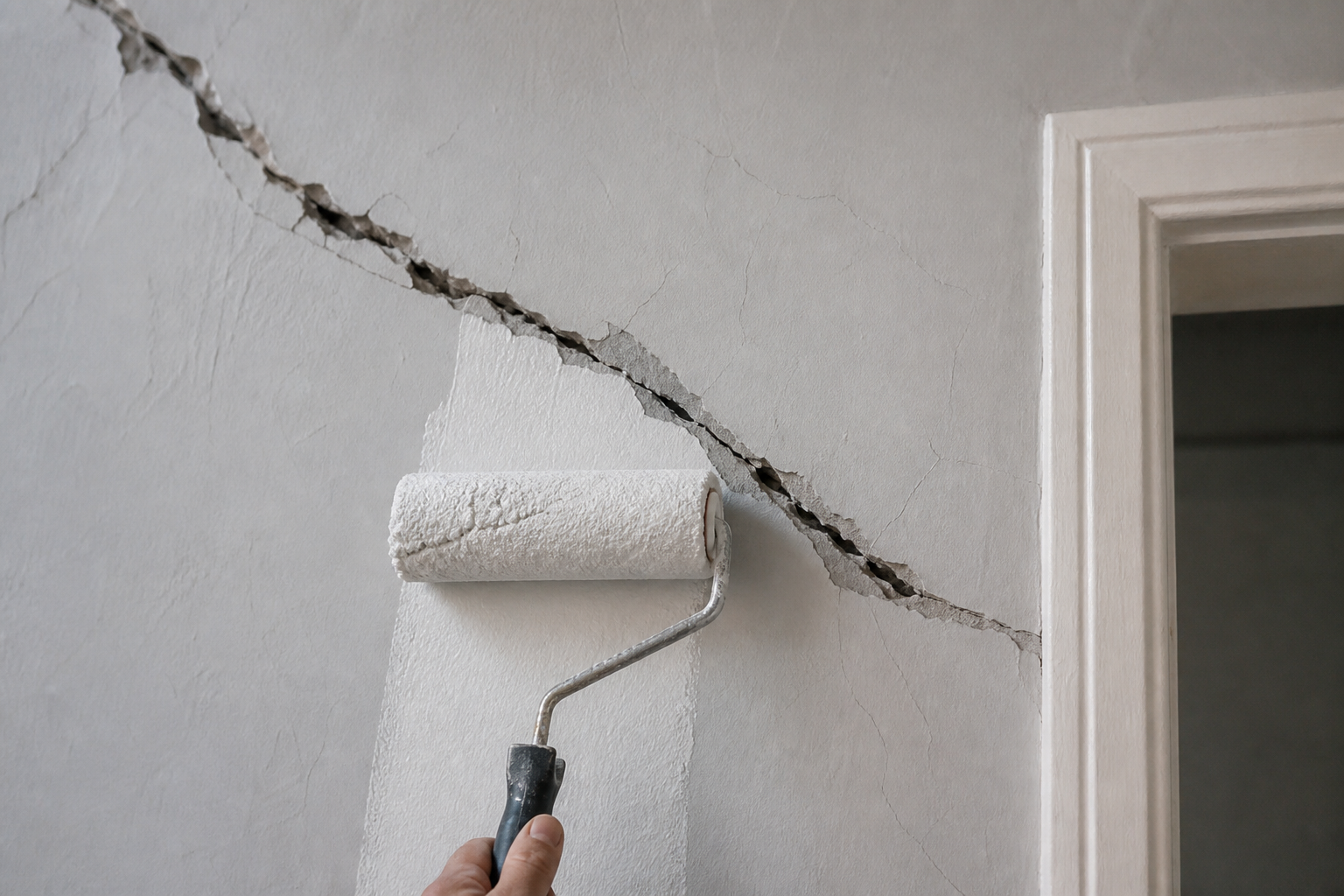
Paint across a serious crack to sell or forget it
Covering is not repairing
Cosmetic paint can conceal a pattern that a future professional needs to see.
How to keep walls in better shape

- Clear gutters and keep drainage moving away from exterior walls.
- Repair roof, window, and plumbing leaks early.
- Note new cracks after building work, an impact, or unusual movement.
- Do not cut, chase, or load a structural wall without appropriate advice.
When to book a professional
Book a mason for cracks that are more than hairline, repeat after repair, show dampness, or cross masonry. Seek urgent structural advice for widening, stepped, displaced, or suddenly appearing cracks; sagging or bulging walls/ceilings; or multiple changes around openings.
FAQs
Are hairline wall cracks normal?
They are common in paint and plaster, especially as finishes dry and age. Photograph and monitor a new one before filling it.
How do I know whether a crack is serious?
Growth, width, diagonal or stepped patterns, movement around doors/windows, dampness, bulging, or a ceiling location all raise the priority for assessment.
Can a mason repair a structural crack?
A mason can assess and repair many masonry and finish issues. Where the cause may be structural movement, they should recommend an engineer rather than simply filling it.
Should I fix damp before a wall crack?
Yes. Resolve the source of water and let the wall dry before rebuilding plaster or paint.